Maximizing Cabinet Reliability: The Strategic Advantage of EC Axial Fans
Executive Summary
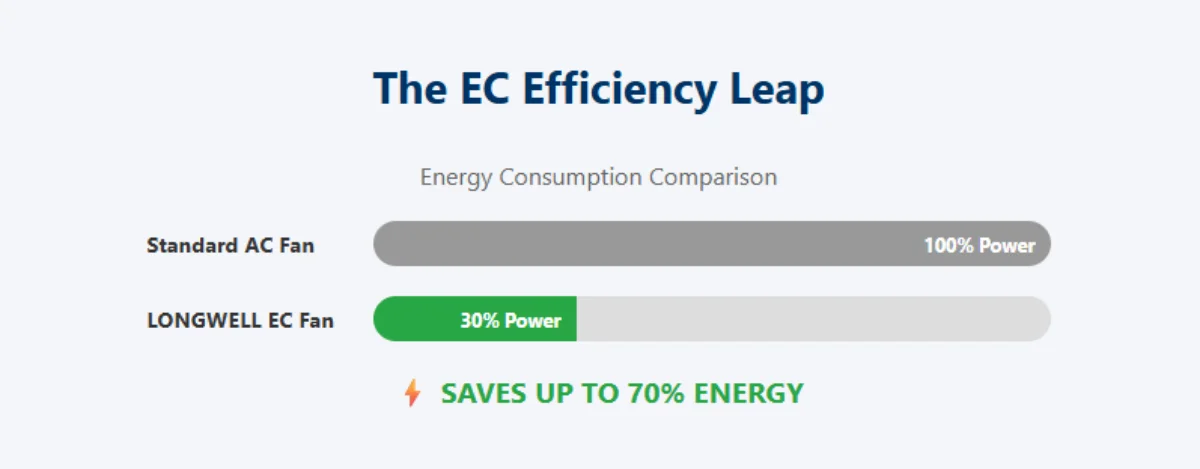
Industrial cabinet overheating is responsible for nearly 70% of transformer and component failures, making “thermal management” a critical priority for facility managers. Transitioning to Electronically Commutated (EC) axial fans—such as the LONGWELL 200mm EC Axial Flow Fan—offers a dual solution: protecting sensitive electronics through precise temperature control while reducing energy consumption by up to 70% compared to traditional AC models.
The Silent Threat: Why Thermal Management Matters
Heat is the primary enemy of industrial electronics. In high-density control cabinets, the “Arrhenius Law” dictates a harsh reality: for every 10°C rise in operating temperature, the expected lifespan of electrolytic capacitors is cut in half.
However, the risks of overheating extend beyond simple component aging:
· Electrical Safety Hazards: Persistent high temperatures cause connections to loosen and busbars to corrode, increasing resistance and creating risks of dangerous arcing or fire.
· Data Integrity Compromise: In server racks and IT infrastructure, overheating triggers processor “thermal throttling,” leading to system slowdowns, data corruption, or unexpected shutdowns.
· Operational Cost Spikes: Unplanned maintenance caused by heat stress disrupts production schedules, directly impacting profit margins.
Effective cooling isn’t just about moving air; it is about maintaining a stable operating environment to lock in the long-term value of your assets.
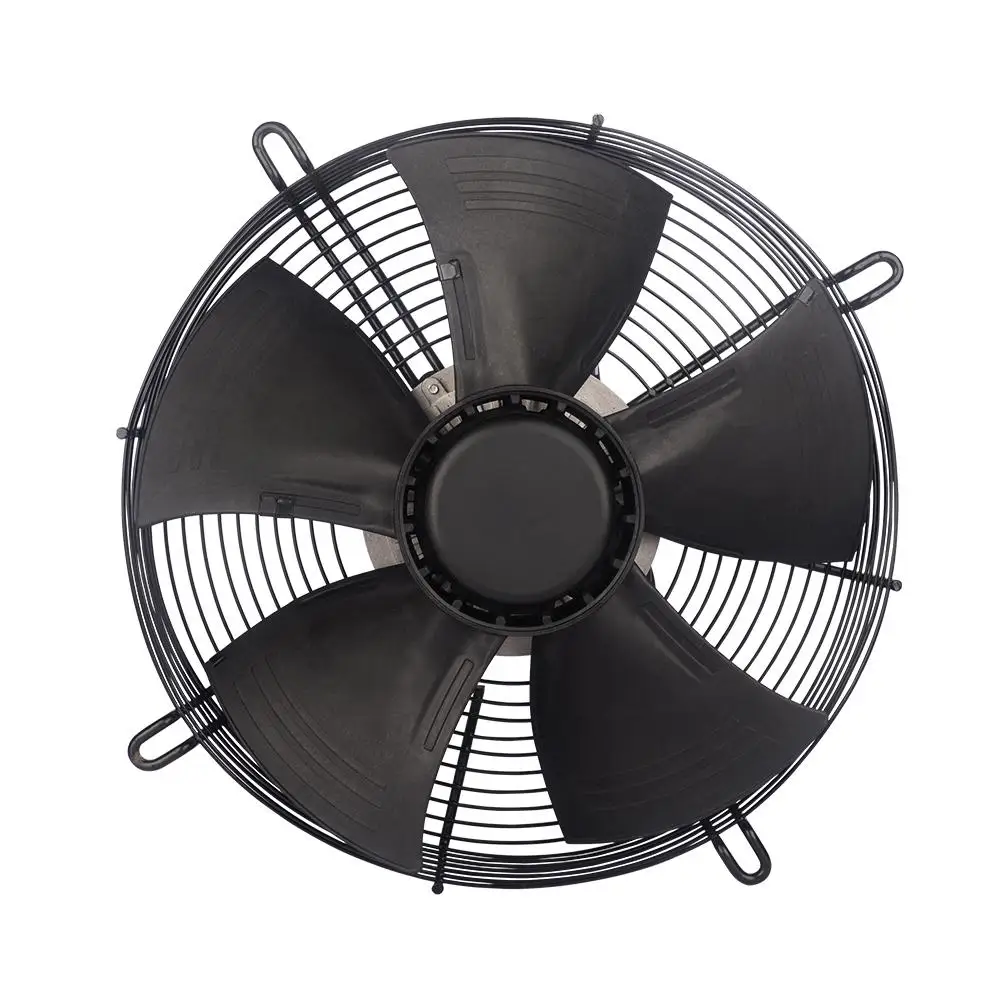
The EC Advantage: Efficiency Meets Precision
Traditional AC fans typically run at full speed regardless of demand, resulting in significant energy waste. In contrast, EC (Electronically Commutated) technology combines the high efficiency of DC motors with the convenience of AC power supplies, enabling intelligent airflow management.
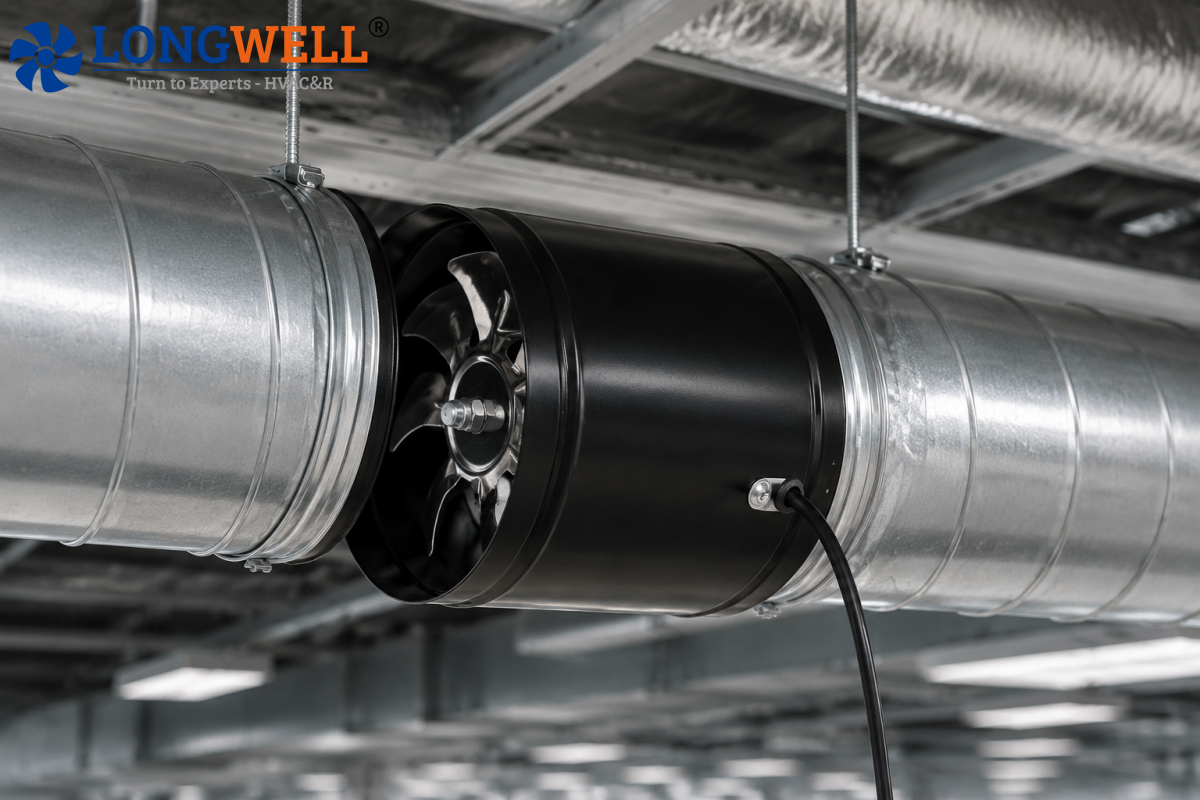
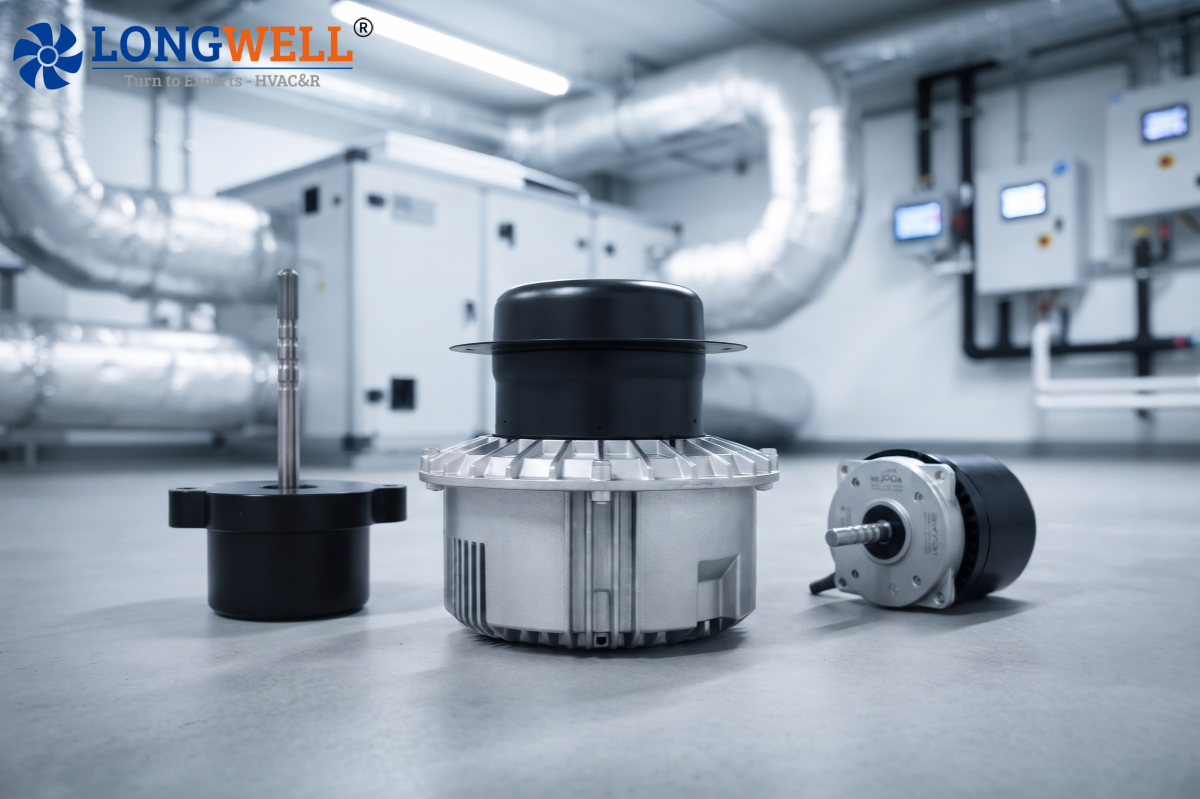
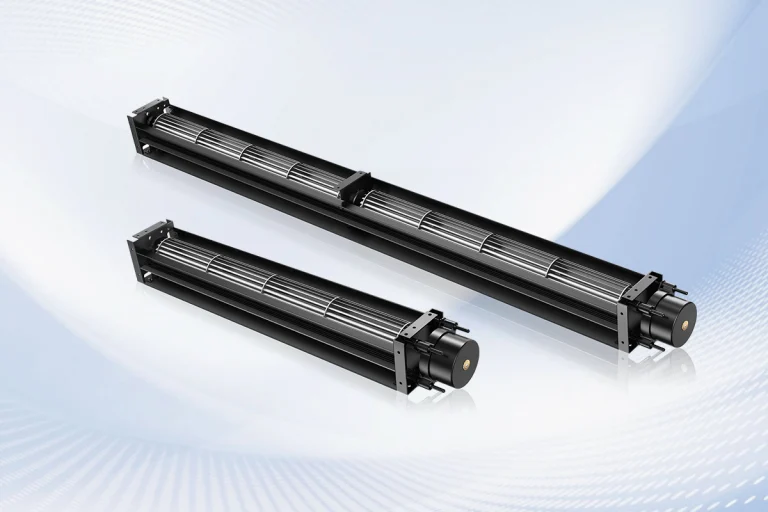
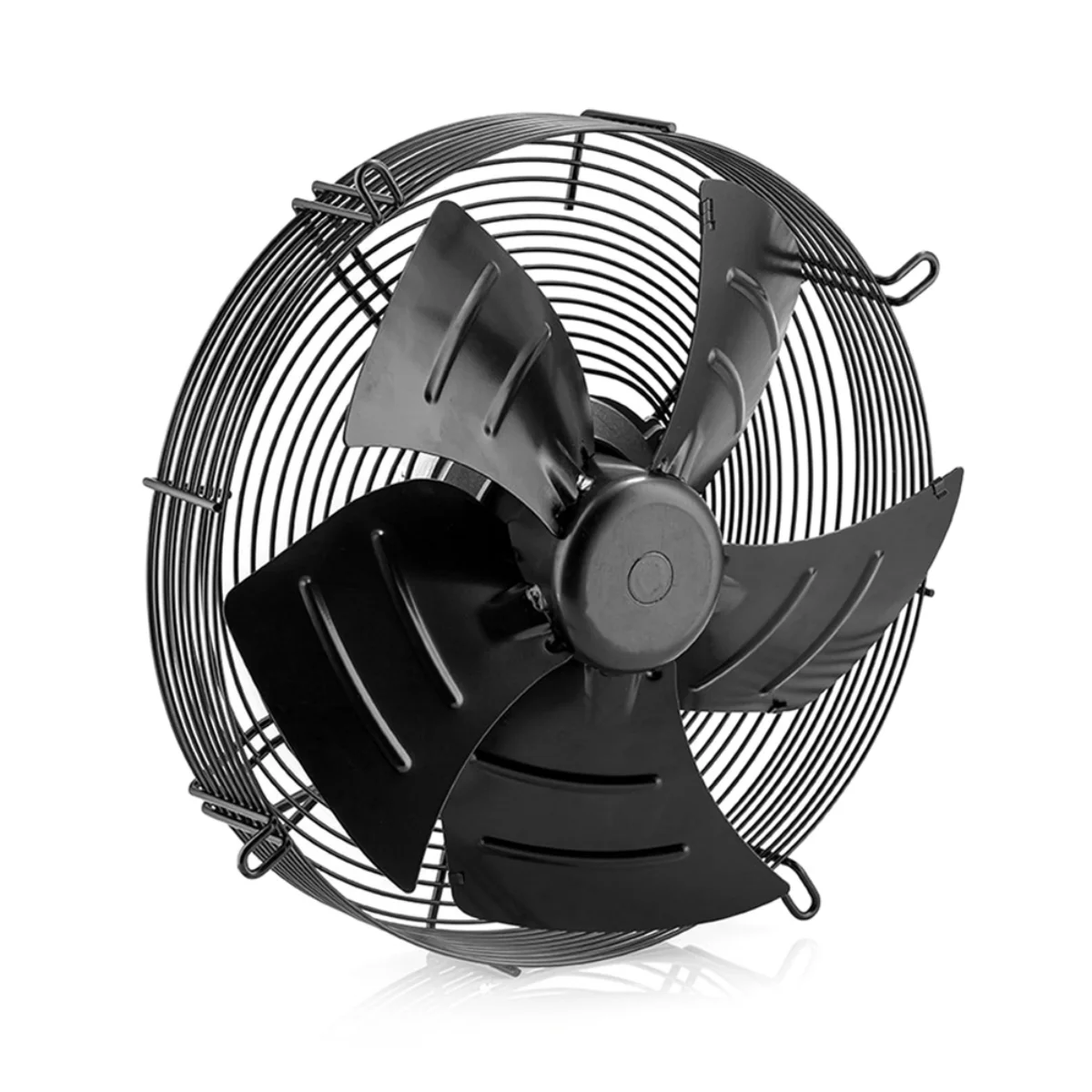
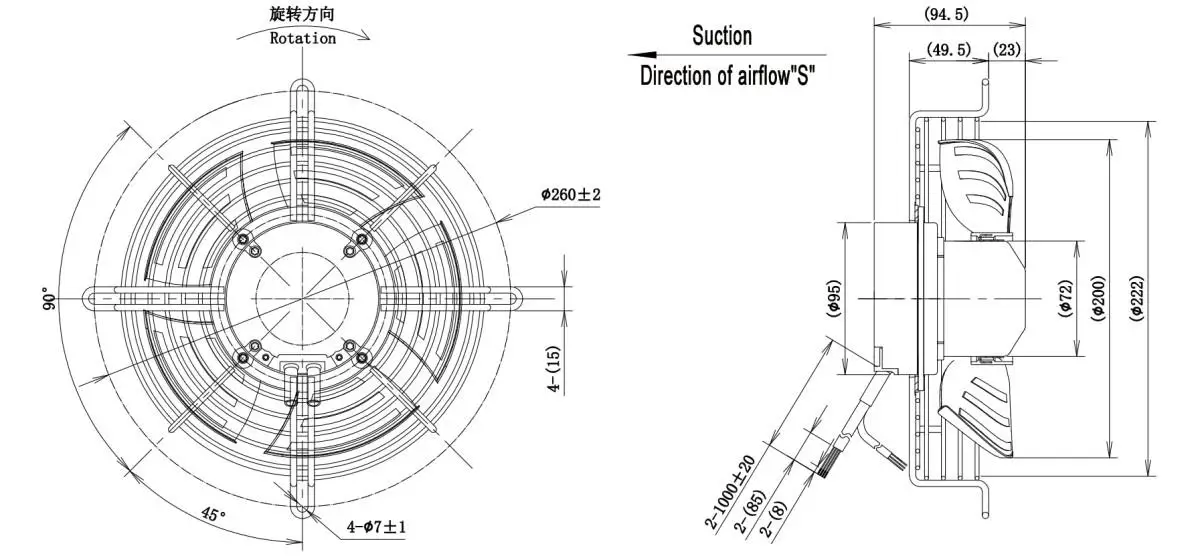
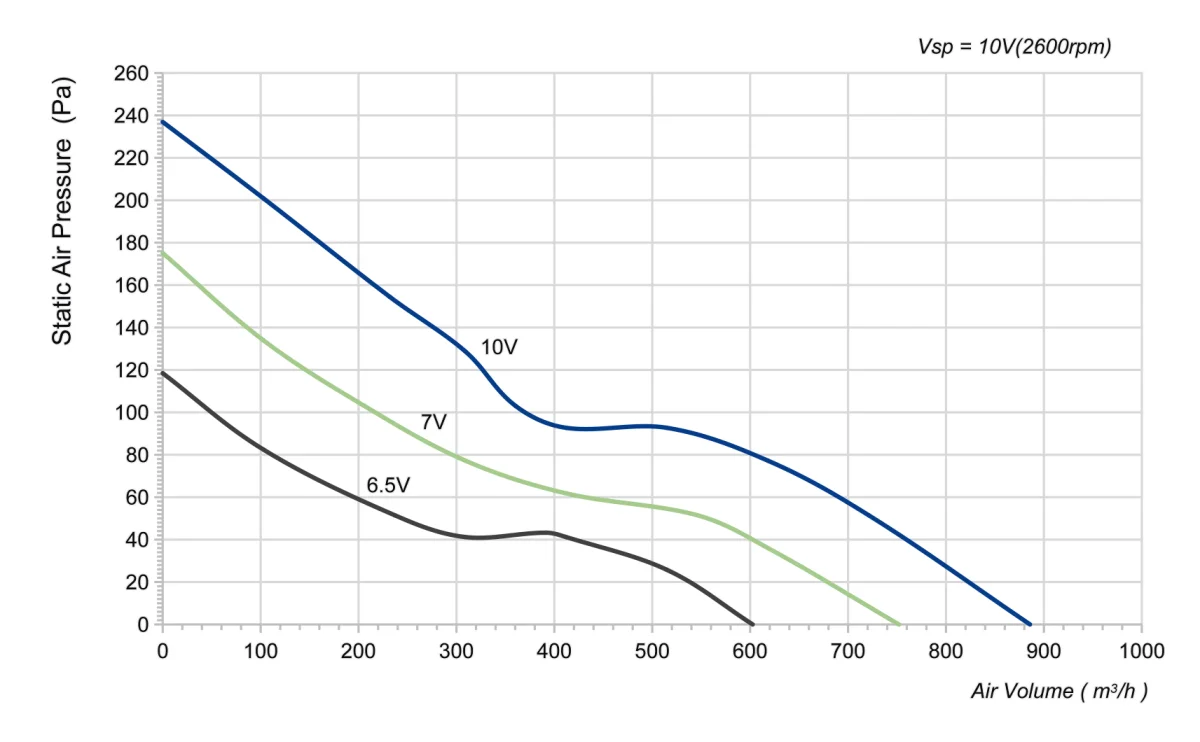
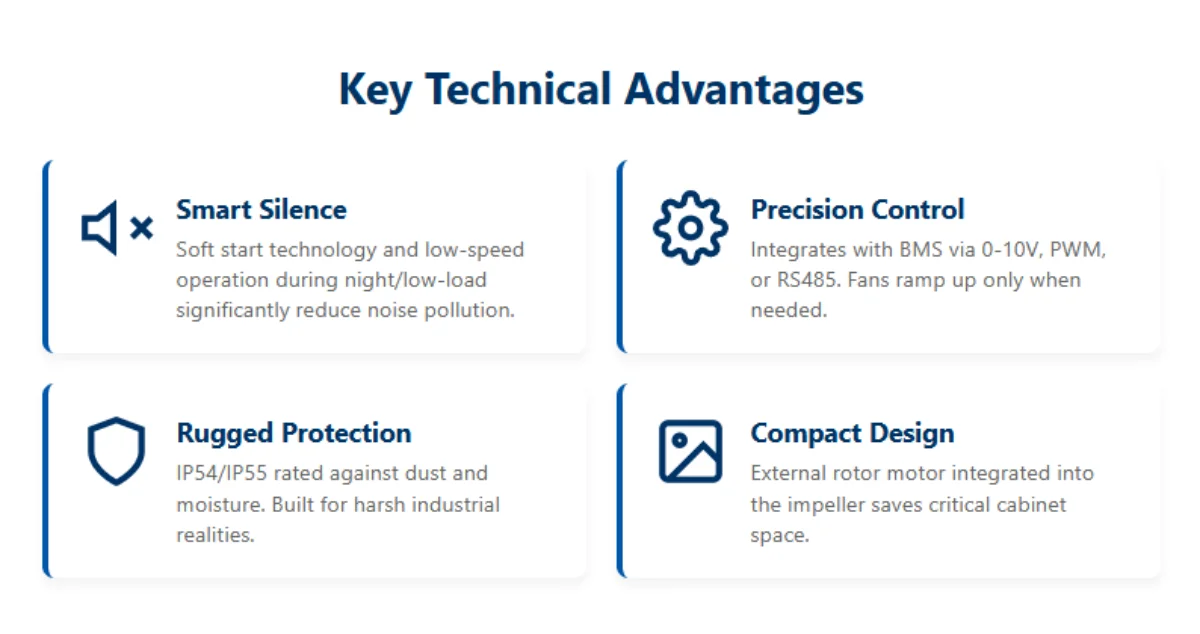
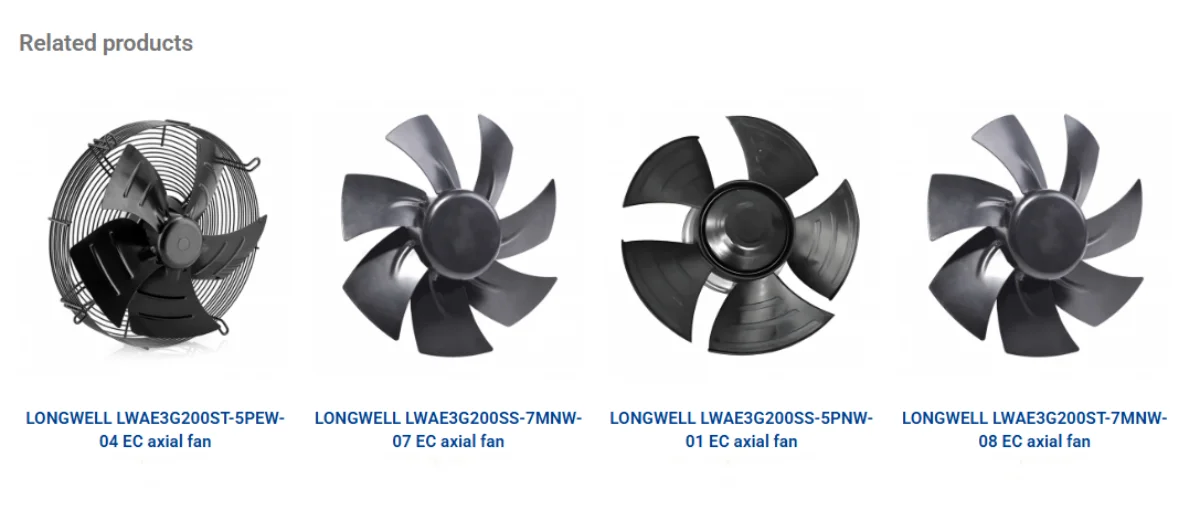
The LONGWELL 200mm EC Axial Flow Fan utilizes a BLEC external rotor motor specifically engineered for compact industrial spaces. This design integrates the motor directly into the impeller, saving installation space while delivering powerful airflow (up to 3,469 cfm) at remarkably low noise levels—ideal for space-constrained server racks and electrical control panels.
 Technical Specifications at a Glance:
|
Key Feature |
Technical Advantage |
|
Motor Technology |
BLEC External Rotor Motor (High torque, low noise, low temperature rise) |
|
Control Interface |
0-10V DC / PWM / RS485 (Modbus) |
|
Energy Efficiency |
Up to 70% energy savings vs. standard AC fans |
|
Protection Rating |
IP44 / IP54 / IP55 (Dust/Water resistant for harsh environments) |
|
Certifications |
UL, ETL, CE, RoHS compliant |
Case Studies: LONGWELL Solutions in the Field
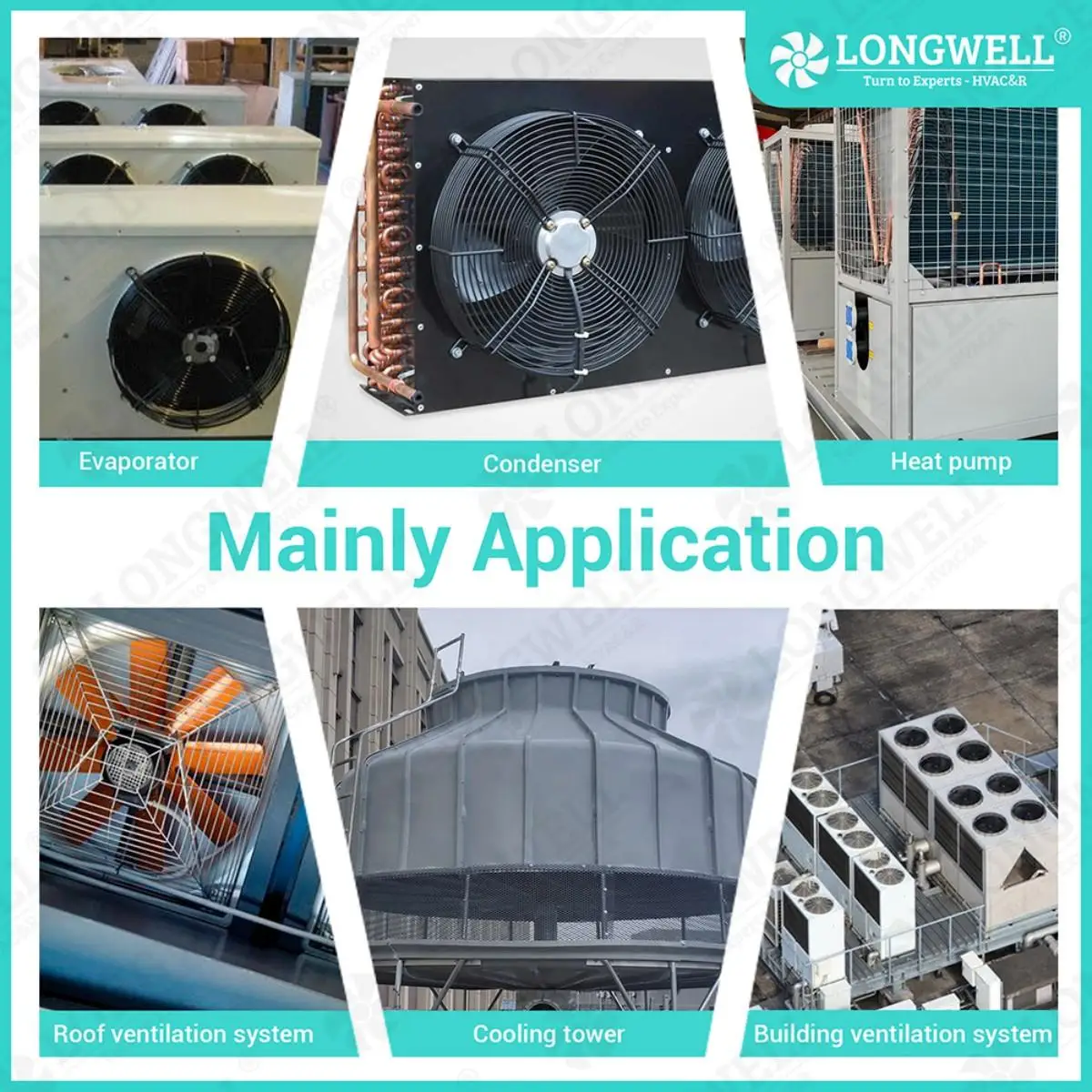
To visualize the value of EC fans, we highlight two typical application scenarios:
Case 1: Textile Factory Retrofit in Turkey (Harsh Environment)
The Challenge: The production floor was filled with cotton lint and dust, with summer ambient temperatures reaching 40°C. The original standard axial fans frequently failed due to dust accumulation, causing expensive Variable Frequency Drives (VFDs) to overheat and trip.
The Solution: The cooling system was upgraded to LONGWELL EC 200mm fans (IP55 rated), connected to temperature probes via the 0-10V interface.
The Results:
· Zero Failure Rate: The IP55 high-protection rating effectively blocked dust from entering the motor.
· Intelligent Noise Reduction: Fans only ran at full speed during peak heat; at night or under low load, they slowed down automatically, reducing average workshop noise by 8 dB.
· Rapid ROI: By delivering air only when needed, cooling energy consumption per cabinet dropped by 55%, recovering the retrofit cost within 8 months.
Case 2: EV Charging Station Project in Germany (Silence & Compactness)
The Challenge: A client needed to deploy high-power DC fast-charging piles in residential areas. Strict regulations required nighttime noise levels to remain below 50dB. Additionally, the internal space of the piles was extremely tight.
The Solution: Custom LONGWELL EC Axial Fans integrated with PWM smart speed control were selected.
The Results:
· Community Friendly: The fan speed synchronizes with the charging load in real-time. During low-load nighttime charging, the fans operate in “whisper mode,” fully complying with EU community noise standards.
· Space Optimization: The compact external rotor design left more room for internal cabling, optimizing the overall airflow structure.
Client Testimonials: Feedback from the Field
“We used to rely on standard AC fans, which required scheduled downtime twice a year for bearing replacements. Since switching to the Longwell EC series, the Soft Start feature has noticeably reduced mechanical stress on the components. The system has run for 18 months without a single fault, which is vital for our production continuity.”
— Chief Electrical Engineer, Automated Equipment Manufacturer (Germany)
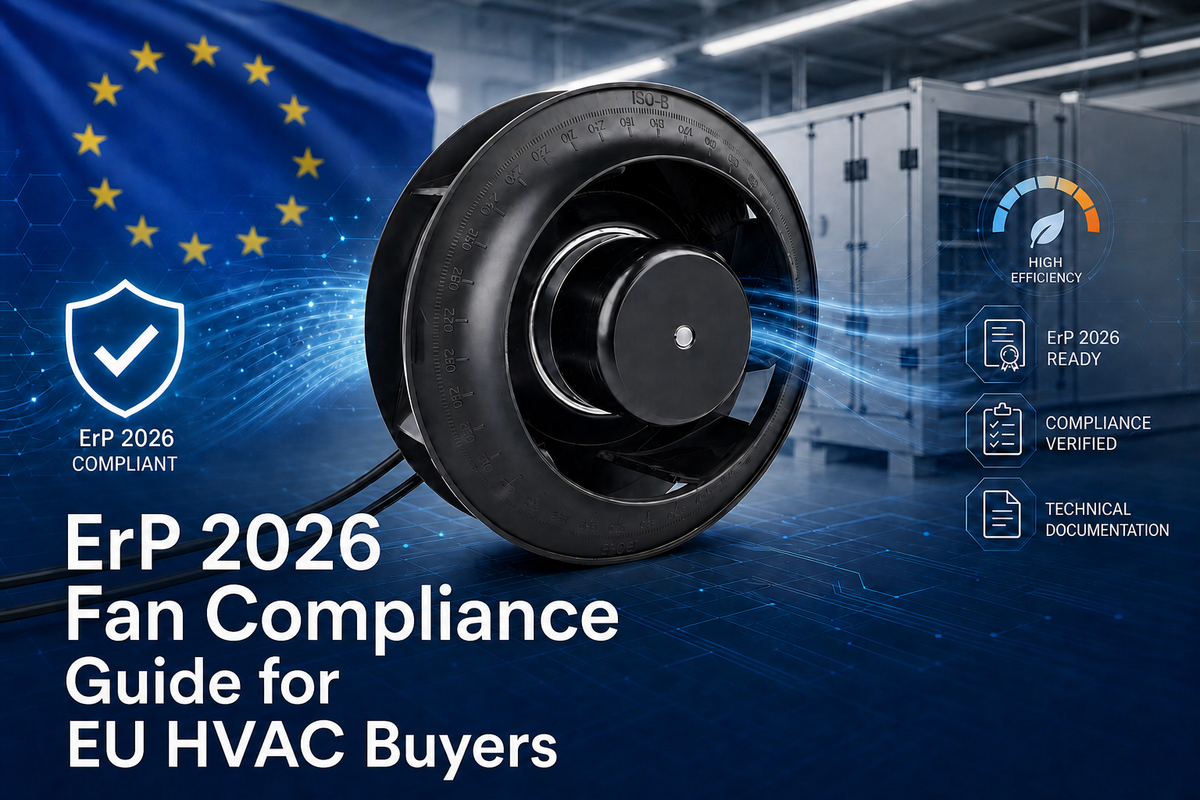
“For export equipment, certification is always the biggest headache. LONGWELL fans come with UL and CE certifications and meet the latest EU ErP standards. This saves us significant trouble with customs and compliance. The build quality is solid—truly industrial grade.”
— Purchasing Manager, HVAC System Integrator (Italy)
Technical FAQ
We have addressed common engineering and selection questions below:
· Q1: EC fans are more expensive than AC fans. Is the investment worth it?
A: If you look only at the initial purchase price, EC fans are slightly higher. However, from a Total Cost of Ownership (TCO) perspective, EC fans are far more economical. Due to 70% energy savings and near-zero maintenance, electricity savings typically cover the price difference within 6-12 months. Furthermore, they prevent costly downtime.
· Q2: How do I choose the right fan size for my cabinet?
A: Size alone is not enough. You should reference the fan’s P-Q Curve (Static Pressure vs. Airflow). If the cabinet is densely packed with components (like a VFD drive cabinet), resistance is high, so you need a fan with higher static pressure. For open cabinets, prioritize high airflow. The LONGWELL technical team can provide specific calculation support.
· Q3: 0-10V vs. PWM speed control: Which should I choose?
A: Both offer similar results, depending on your control system.
0-10V: Best for analog control; simple and intuitive, supported by most thermostats.
PWM: Best for digital signal control; offers stronger anti-interference capabilities, ideal for complex industrial environments with long-distance signal transmission.
LONGWELL EC fans are typically compatible with both modes.
· Q4: Can these fans handle high humidity or dusty environments?
A: Absolutely. The core difference between industrial and household fans is protection. LONGWELL 200mm EC fans offer IP44, IP54, and IP55 ratings. For particularly harsh outdoor or chemical environments, we apply special potting to the PCB circuit boards to prevent moisture corrosion.
Conclusion
Thermal management is not just a technical issue; it is a long-term investment in equipment reliability. By upgrading to intelligent cooling solutions like the LONGWELL 200mm EC Axial Flow Fan, businesses can effectively eliminate heat-related failures, significantly lower operational costs, and future-proof their industrial infrastructure.
Contact the technical team at Ningbo Longwell Electrical Technology Co., Ltd. today for a customized thermal management proposal.