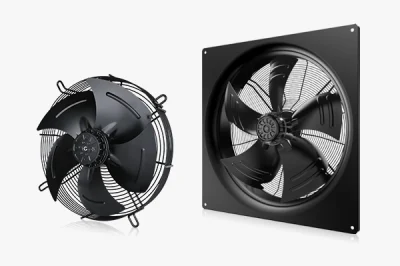
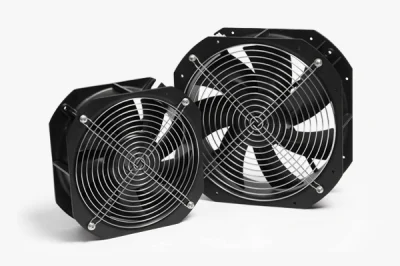
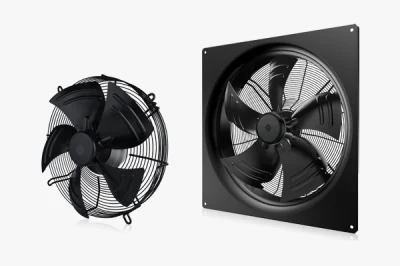
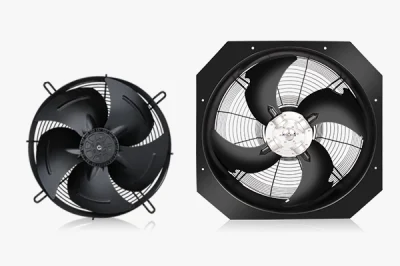

Longwell: Your Reliable Axial Fan Manufacturer

Ideal for tunnel ventilation, cooling towers, and large industrial fans where high volume but low resistance airflow is required.
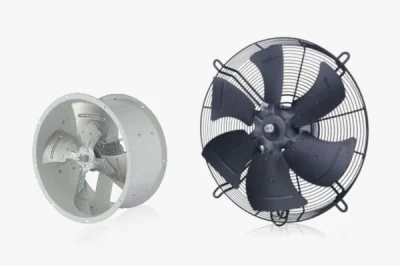
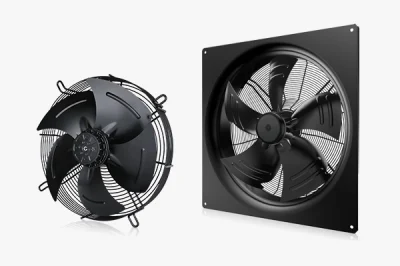
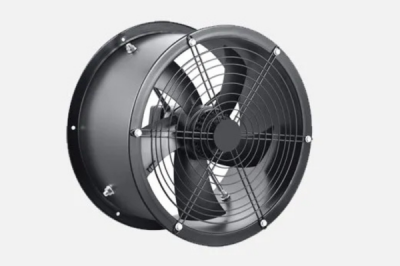
External Rotor Axial Fan

External Rotor Axial Fan

Internal Rotor Axial Fan

Internal Rotor Axial Fan

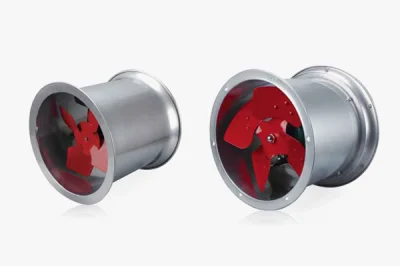
2. Vane Axial Fan

Vane Axial Fan

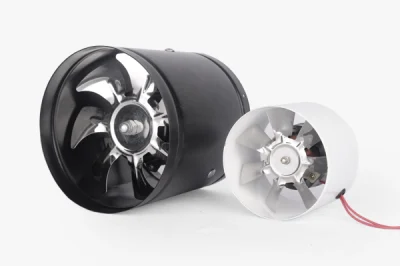
Axial Duct Fan

Axial Duct Fan

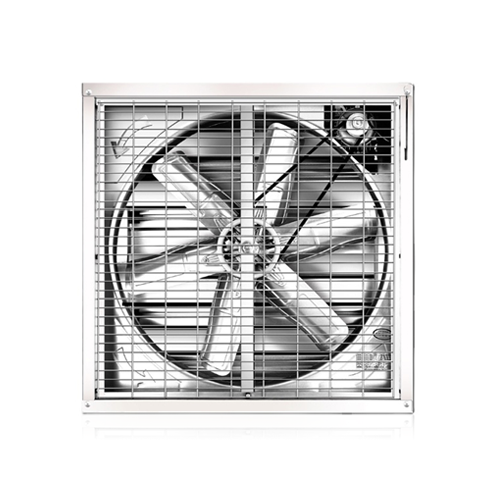
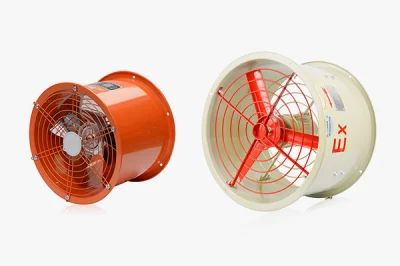
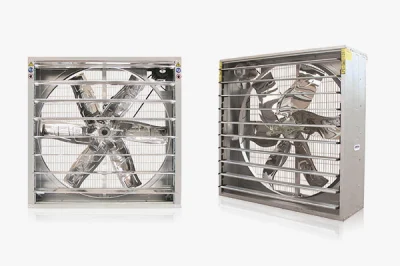
Axial Exhaust Fan

Axial Exhaust Fan

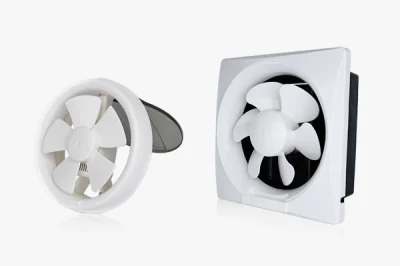
Axial Bathroom Fan

Axial Bathroom Fan

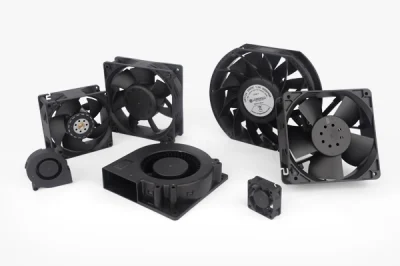
Electronics Cooling Fan

Electronics Cooling Fan

Axial HVAC Fans

Axial HVAC Fans

Turbo Axial Fan

Turbo Axial Fan

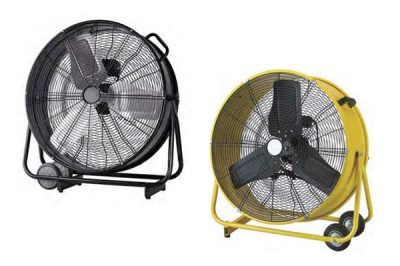
Drum Fan

Drum Fan

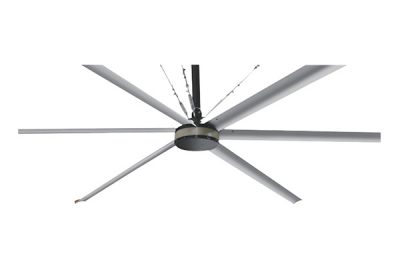
Ceiling Fan

Ceiling Fan

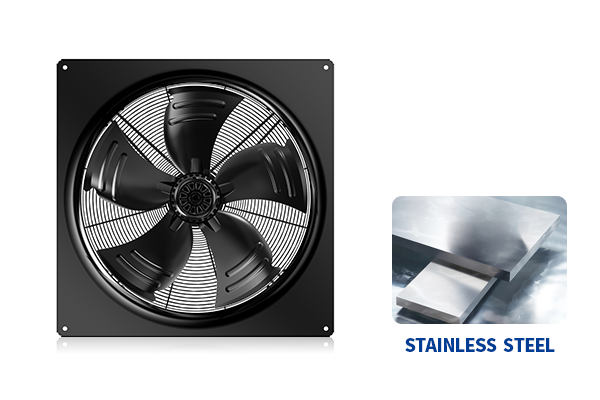
Stainless Steel Axial Fan

Stainless Steel Axial Fan

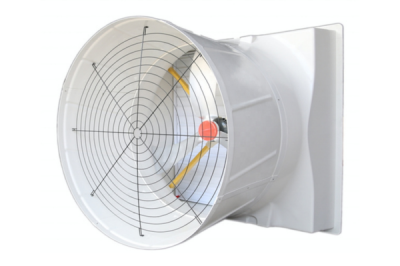
FRP Axial Fan

FRP Axial Fan

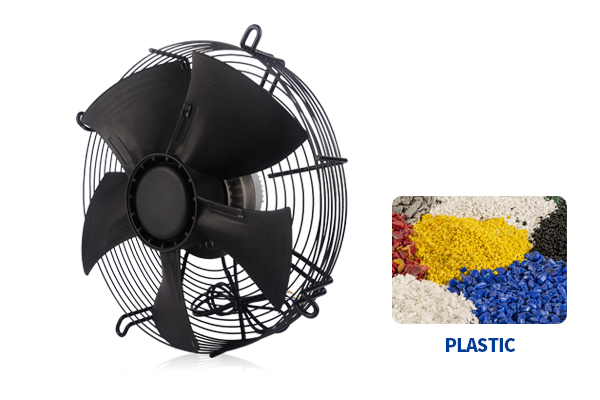
Plastic Axial Fans

Plastic Axial Fans

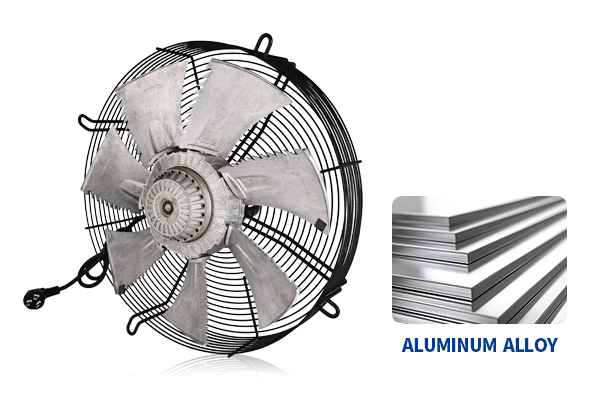
Aluminum Axial Fans

Aluminum Axial Fans

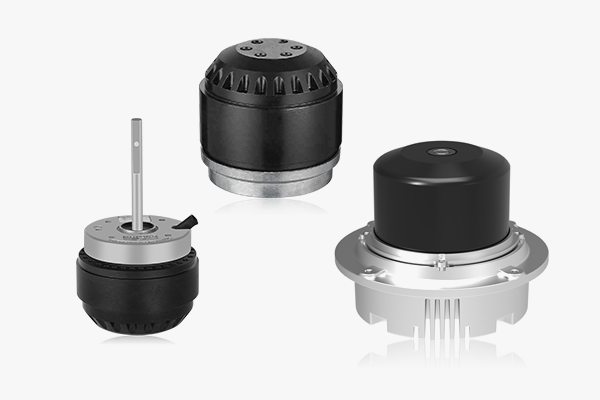
Axial Fan Motor

Axial Fan Motor

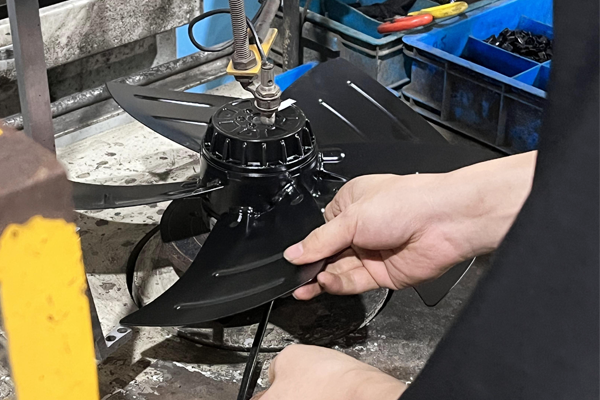
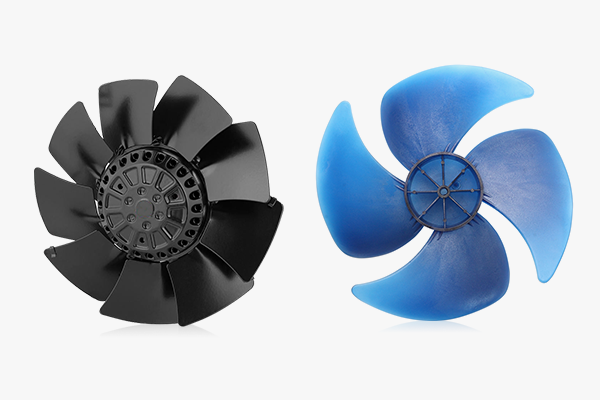
Axial Fan Blade

Axial Fan Blade

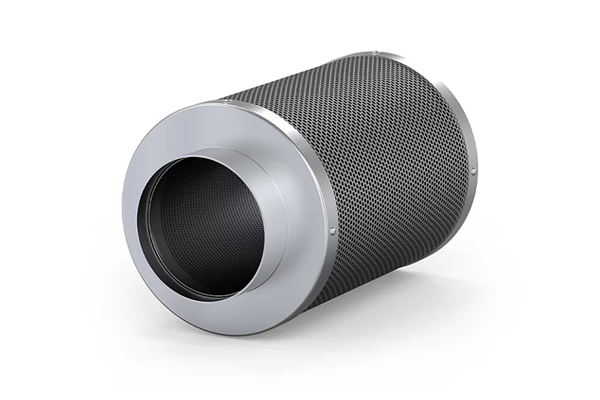
Fan Filter

Axial Fan Filters

Catalogs & Brochures for Axial Fan

Get more details about Longwell axial fan.

Longwell Axial Fan Selection Chart

ImageNameAirflow(m³/h)Voltage(V)Frequency(Hz)AC/DC/ECDimensions(mm)Sound Pressure(dB(A))Sound Power(Bel)Speed
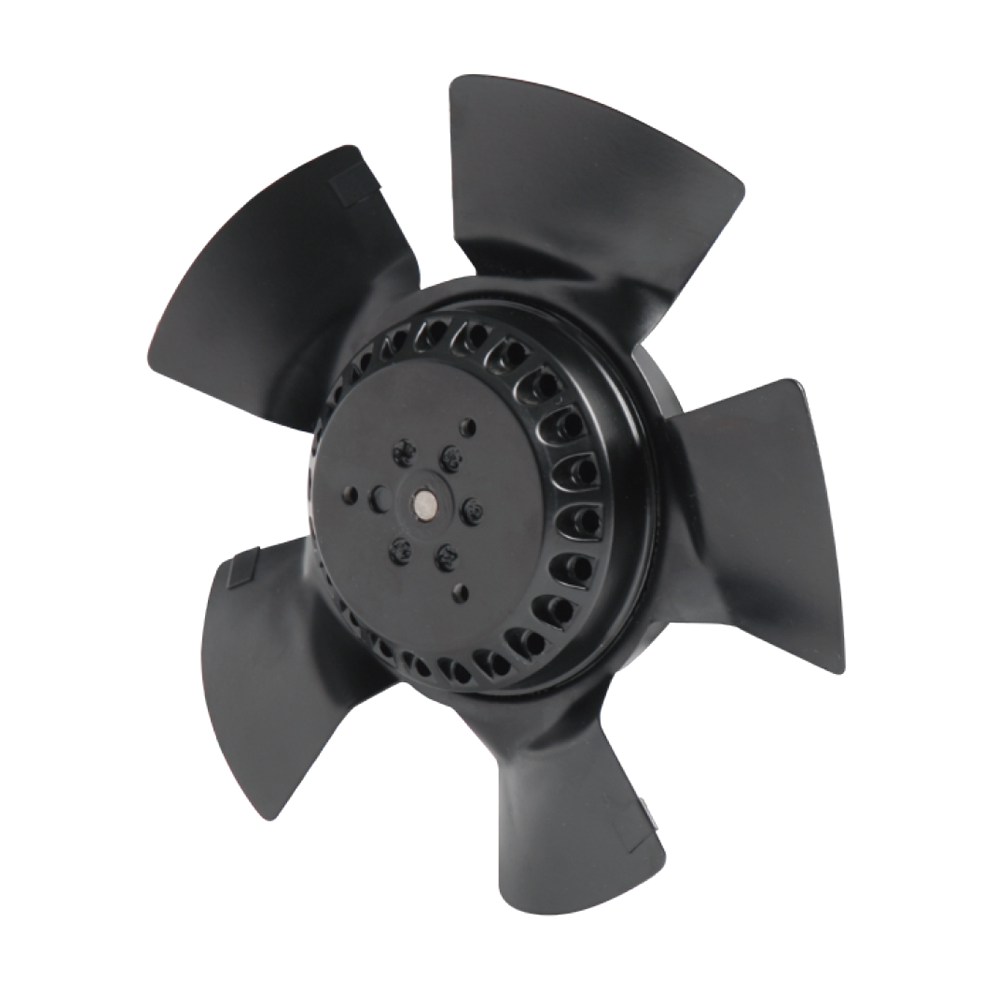
LONGWELL LWAA2D145S-5MNW-02 AC Axial Fan LONGWELL LWAA2D145S-5MNW-02 AC Axial Fan309380/40060AC145/353200
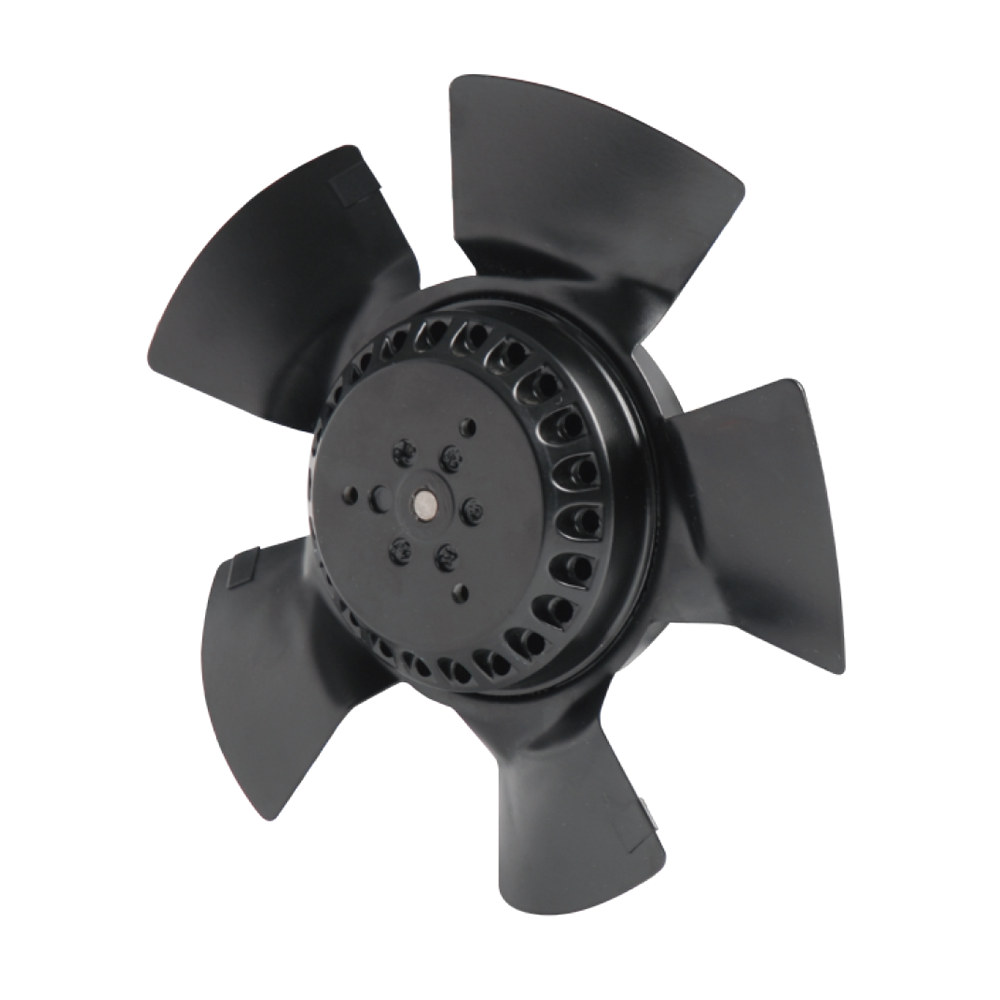
LONGWELL LWAA2D165S-5MNW-01 AC Axial Fan LONGWELL LWAA2D165S-5MNW-01 AC Axial Fan278380/40050AC165/502800
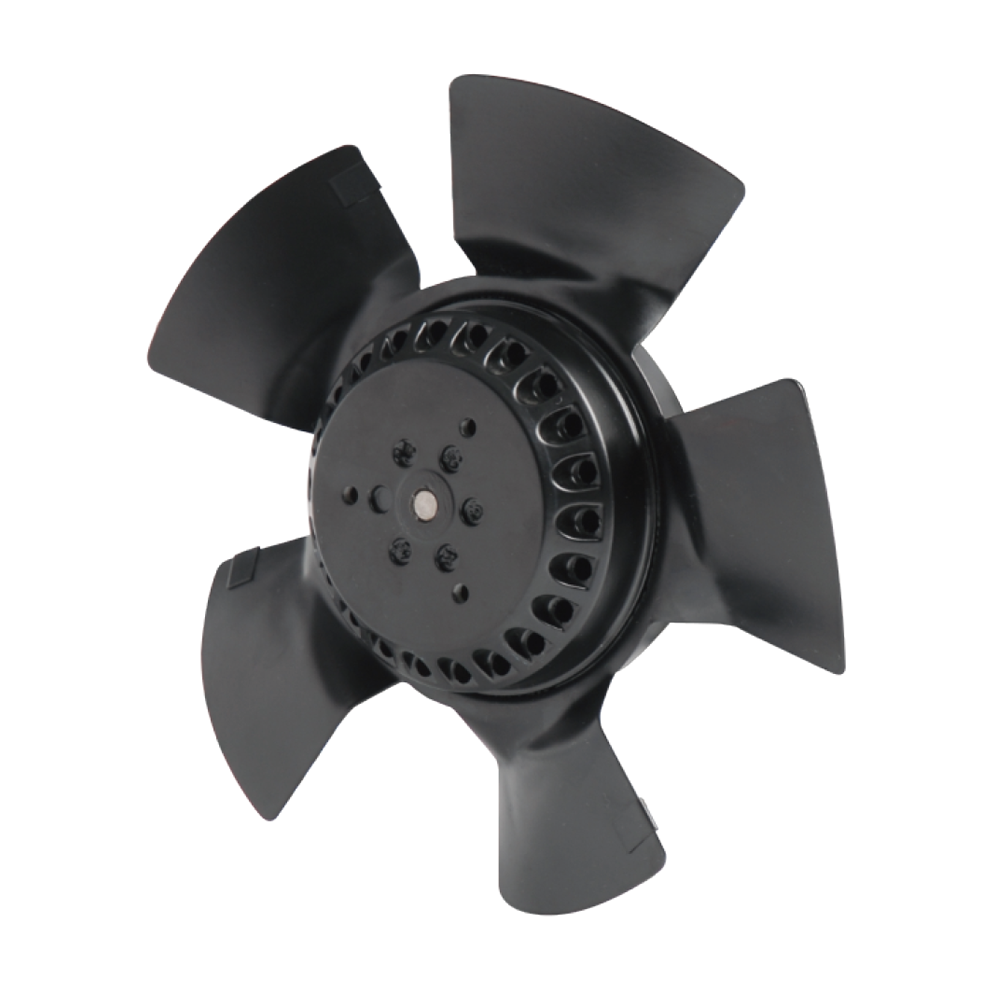
LONGWELL LWAA2D165S-5MNW-02 AC Axial Fan LONGWELL LWAA2D165S-5MNW-02 AC Axial Fan330380/40060AC165/353200
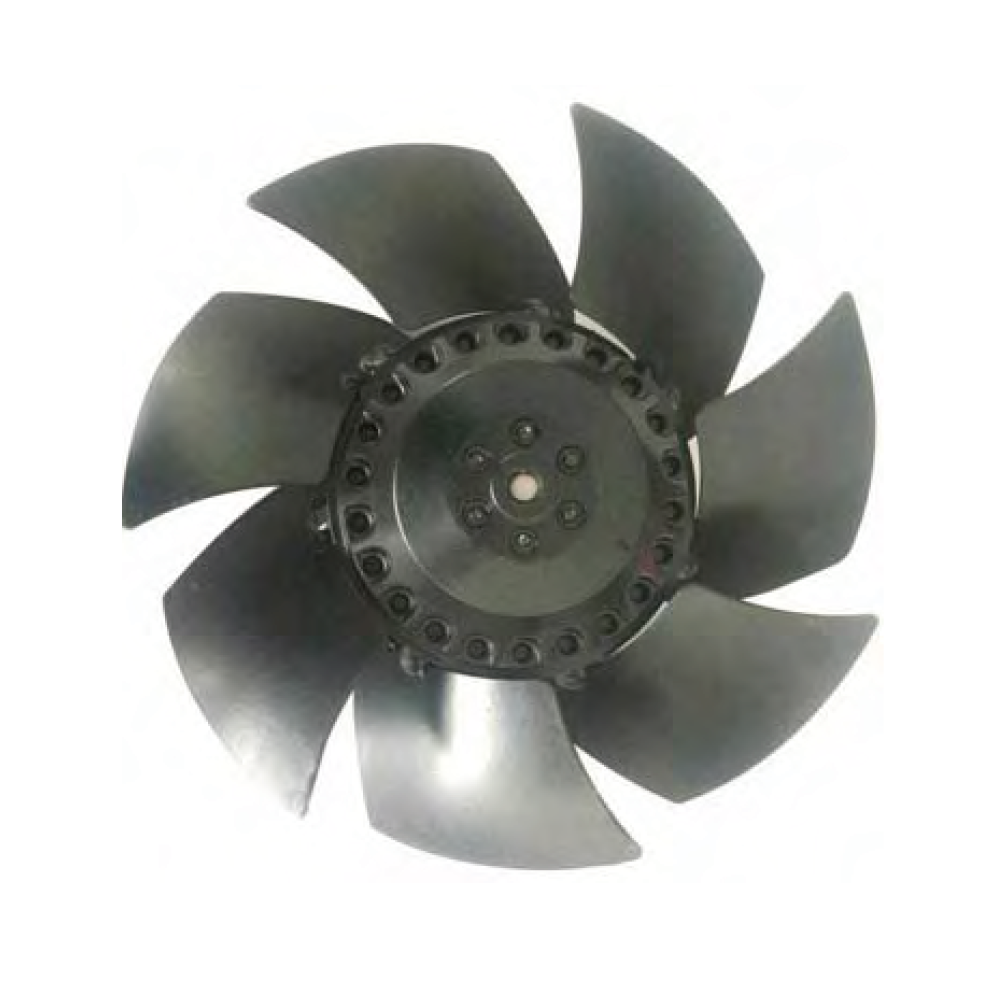
LONGWELL LWAA2E185S-7MNW-01 AC Axial Fan LONGWELL LWAA2E185S-7MNW-01 AC Axial Fan670220/23050AC185/552400
High Air Volume

High Air Volume

Axial fan excels at moving large volumes of air quickly in spaces with minimal resistance.

Low Noise

Low Noise

Advanced blade design and precision bearings keep axial fan’ noise levels as low as 20dB.

Durable Quality

Durable Quality

Longwell utilizes all-copper coils and efficient brushless DC motors to ensure stability.

Compact Structure

Compact Structure

Axial fan has a relatively simple structure, typically consisting of a motor, impeller, and casing.

  • Airflow Rate: 50,000m³/h to 830,000m³/h
  • Static Pressure: 600 Pa to 5,000 Pa
  • Impeller Diameter: 200mm to 2240mm
  • Sound Level: 63dBA to 78dBA
  • Power: 35W to 1200W
  • Speed: 2400 RPM
  • Motor Type: AC, DC, EC
  • IP Rating: IP54, IP55, IP68
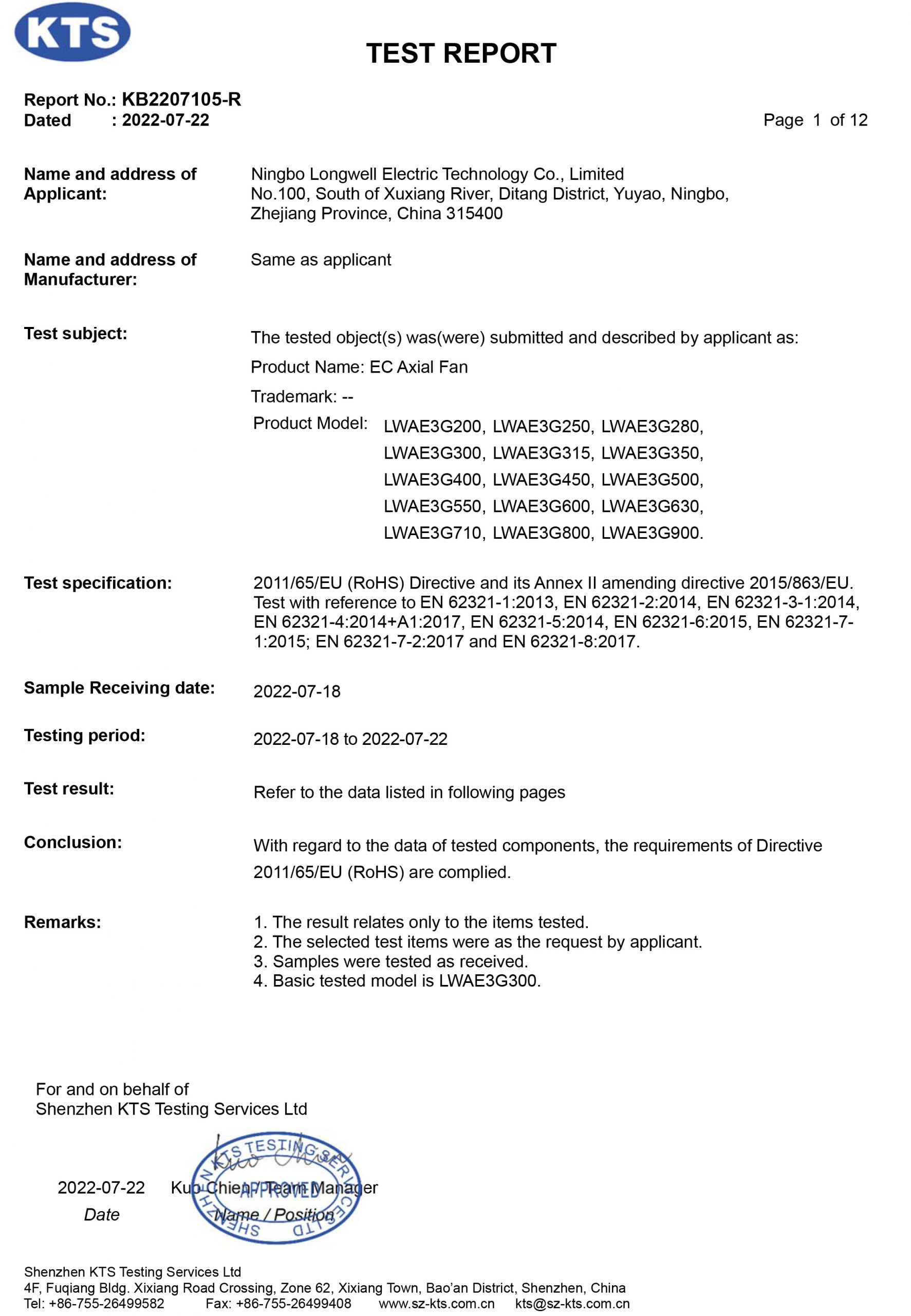
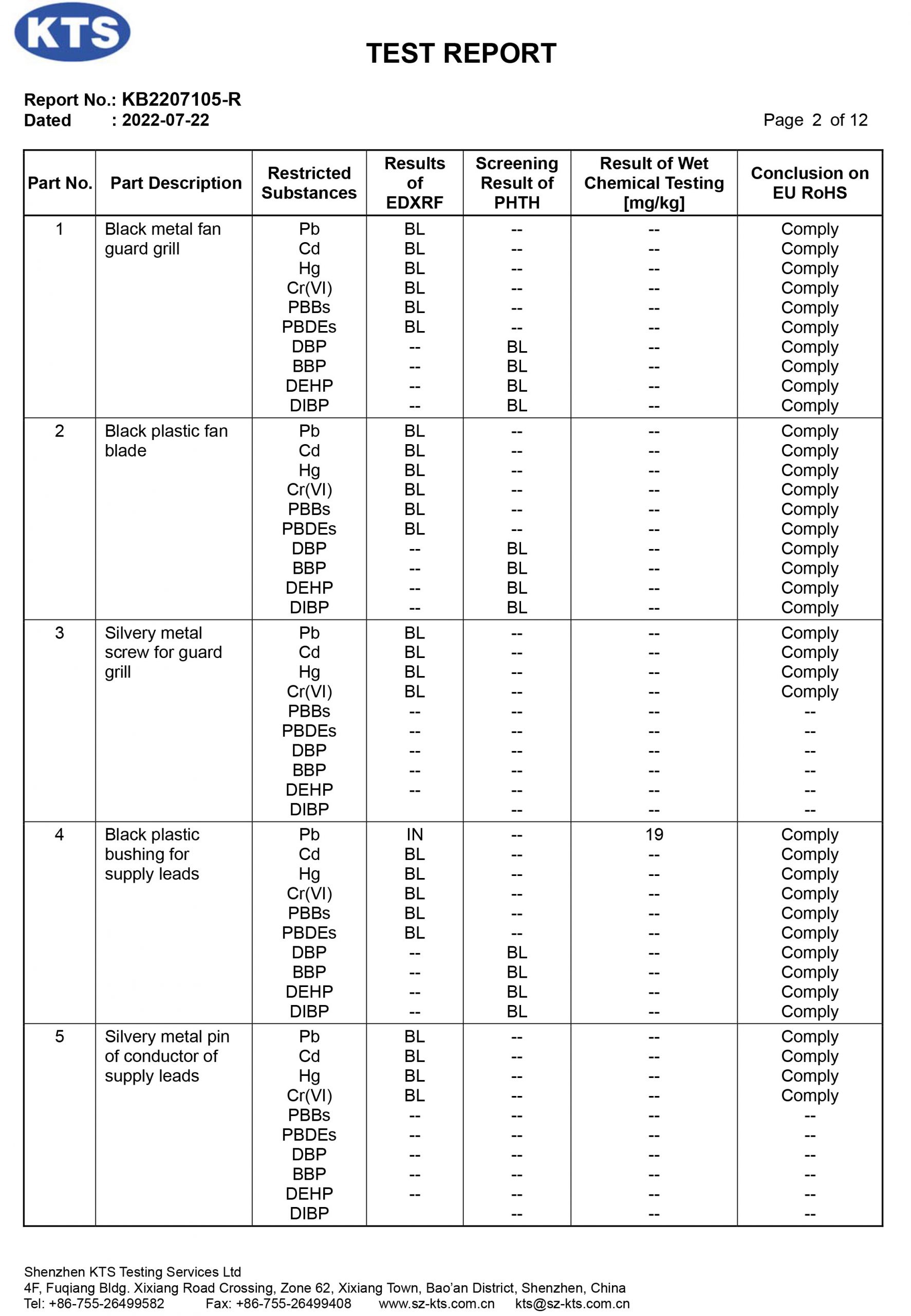
  • Approvals:VDE, UL, CSA, CE and GOST, etc
  • Materials: aluminium, mild steel, stainless steel, etc.
  • Operating Temperature Tolerance: -40°C to over 300°C
  • Motor Protection: overload protection, overcurrent & short-circuit protection, overheating protection, under-voltage protection, over-voltage protection, etc.

Longwell Axial Fans
Certified Quality, Favorable Price, Engineering Excellence in Every Detail

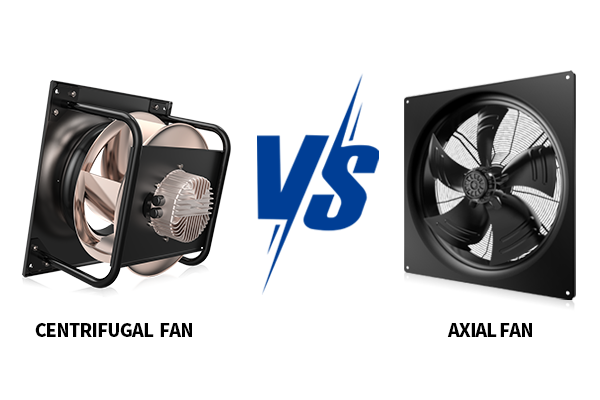
Centrifugal Fan vs Axial Fan

Centrifugal Fan vs Axial Fan

1. Design & Structure
Axial fans feature a simple, compact design with broad blades, ideal for limited spaces and easy installation. 

2. Airflow Direction
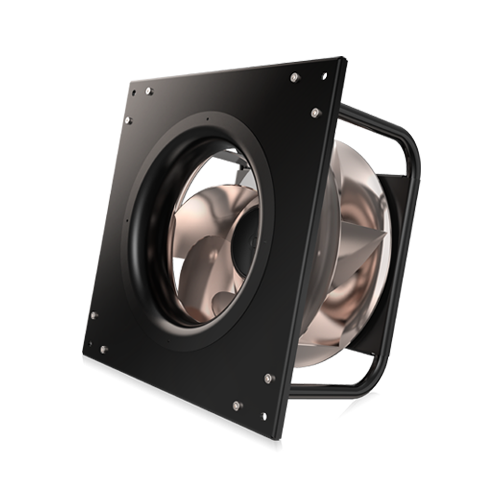
Axial fans move air in a straight line parallel to the fan’s axis, like a standard box fan. Centrifugal fans draw air in axially and expel it radially at a 90-degree angle, enabling efficient air redirection.

3. Performance & Applications
Axial fans excel in moving high volumes of air at low pressure, perfect for general ventilation with minimal resistance. Centrifugal fans generate high static pressure,  suitable for pushing air through restrictive systems.

Why Choose Longwell Axial Fan?

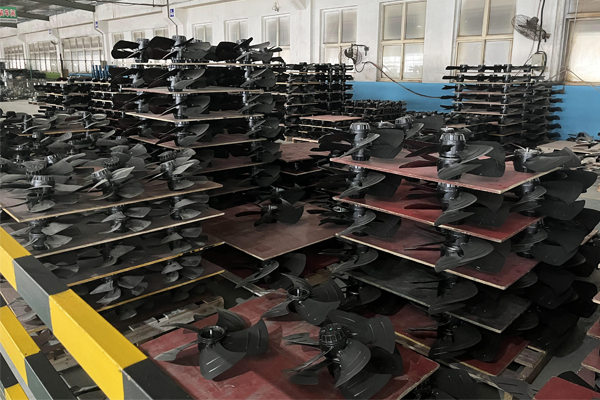
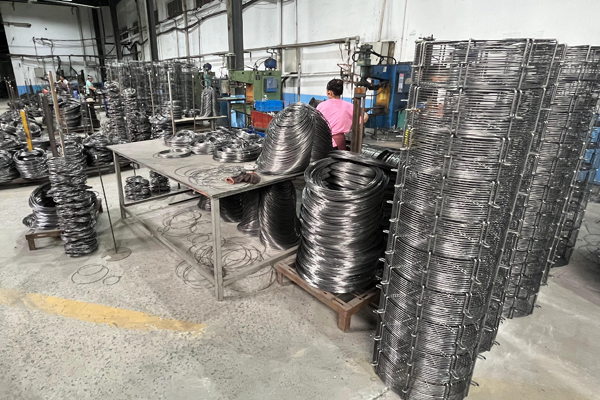
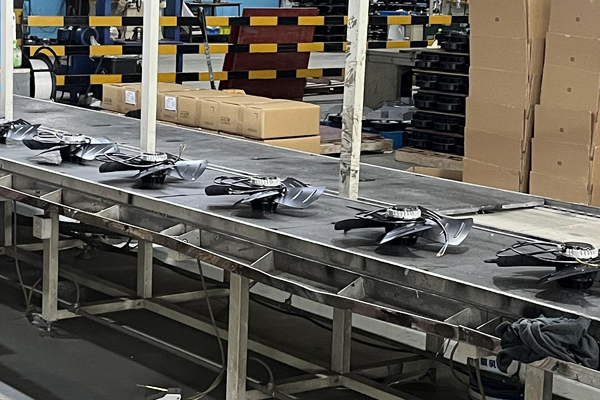
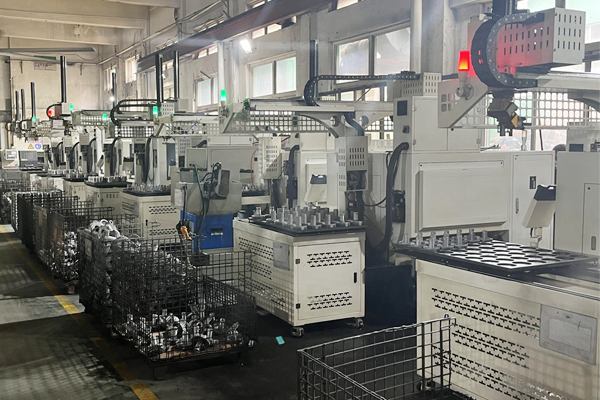
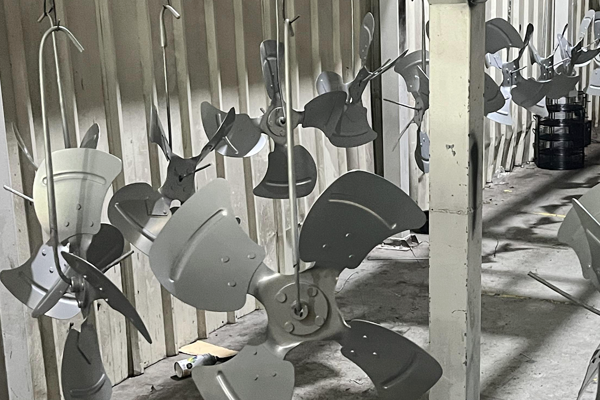
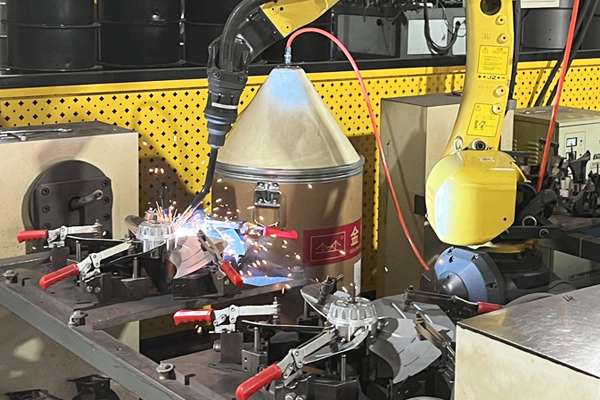
Longwell boasts highly automated production facilities, including automated robotic injection molding machines and CNC machining centers. Our annual production capacity reaches millions of fans and blowers. With ample inventory, we can deliver within 15 days and accommodate large orders.

Longwell exports products to over 70 countries and regions worldwide, with offices in Europe, North America, and Dubai to better serve local customers. We offer more than just products; we also provide comprehensive technical support and solutions. Clicking Here to contact us, starting our collaboration right now!

What Our Customers Say

Reading More Articles about Axial Fans

Applications of Axial Fan

HVAC&R Systems

HVAC&R Systems

HVAC&R systems are widely used in various scenarios, requiring axial flow fans to circulate and transport air. They are commonly employed in commercial/industrial building ventilation, refrigeration equipment cooling, and dust removal for laser cutting machines, etc.

Equipment Cooling

Equipment Cooling

Electronic and telecommunication equipment generates a lot of heat during operation. If the temperature is too high, it will affect their operating state. Axial fan can cool computers, electronic cabinets and servers, preventing overheating caused by equipment failure.

Data Centers and IT Facilities

Data Centers and IT Facilities

Data centers and IT facilities contain a large number of servers, switches, and other electronic equipment, and their smooth operation is closely related to ambient temperature. Therefore, it is necessary to use axial flow fans to maintain efficient air flow, which helps dissipate the heat generated by the equipment and prevent overheating.

Energy and Power Generation

Energy and Power Generation

Axial fan is an essential tool in the field of energy and power generation. It promotes rapid air and flue gas flow, improves power generation efficiency, and guarantees personnel and environmental safety. It also provide sufficient combustion air for boiler combustion and promptly discharge high-temperature flue gas.

Aerospace and Aviation

Aerospace and Aviation

Axial fan is primarily used in aerospace engines and cooling systems. It provides stable airflow to ensure optimal engine performance while maintaining optimal operating temperatures. Additionally, the high heat generated by various electronic components on aircraft requires timely dissipation to guarantee system reliability.

Mining, Tunneling and Construction

Mining, Tunneling and Construction

In mining, tunneling or other construction processes, which are usually underground engineering or in a closed environment, harmful dust particles, pollutants and smoke can have a serious impact on workers’ health. Axial fan helps maintain ventilation and ensures air quality.

Agricultural and Farming

Agricultural and Farming

Axial fan is also commonly used in the agricultural field. Livestock sheds, greenhouses and grain storage rooms need fans to force ventilation to achieve the effect of temperature, humidity and air quality control, which plays a very important role in the efficient and high-quality production of modern agriculture.

Public and Commercial Facilities

Public and Commercial Facilities

In large public places including hospitals, schools, stadiums, convention centers and warehouses, axial fan helps ensure proper air circulation and stable temperature control for procedures, ensuring fresh indoor air and comfort for people.

Transportation

Transportation

Highway and railway tunnels, especially long ones, are one of the most classic and critical application fields of axial fan. When cars or trains pass by, they will continue to emit exhaust gas (including CO, NOx and other harmful gases), heat and dust, axial flow fan is very necessary to maintain air circulation.

Specialized and Niche Applications

Specialized and Niche Applications

Axial fan serves specialized applications in fields like wind tunnels, nuclear energy systems, medical equipment, and military installations. These fans generate uniform, precisely controlled airflow within wind tunnels, delivering exceptional ventilation and cooling performance that meets the highest safety and reliability standards required in these critical environments.

FAQs of Longwell Axial Fan

1. What are the Advantages and Disadvantages of Axial fan?

Axial fan, due to its simple structure, high air volume, and low noise, is ideal for high-volume, low-pressure applications, including ventilation in general factories, warehouses, offices, and homes. It is also well-suited for air coolers, evaporators, and condensers, particularly for cooling applications, where it offers high energy efficiency.

However, due to its low air pressure, axial fan is less suitable for applications requiring high system resistance or high static pressure, such as long ductwork and complex pipe networks. In these cases, you might consider centrifugal fan or mixed flow fan.

The operating principle of an axial fan is based on the lift and thrust of blades, generating and directing airflow through their rotation. Its core concept is to convert the motor’s rotational motion into linear motion of the air.

First, air enters the fan axially through the air inlet. The high-speed rotating blades within the fan propel the air parallel to the fan’s axis.

The fan draws in air, creating a negative pressure zone at one end, while the air is discharged at the other end, creating a positive pressure zone. This entire process creates a continuous, high-volume airflow for ventilation or cooling.

With the high air volume and low pressure, axial fans are widely used in a variety of applications:

  • Electronic Product Cooling
  • Industrial Ventilation
  • HVAC Systems
  • Greenhouses
  • Livestock Farms
  • Subway Ventilation
  • Automotive Engine Cooling

CFM (Cubic Feet per Minute) is a commonly used unit of measurement for fan airflow, referring to the volume of air passing through a specific cross-section of the fan’s flow path per unit time.

A fan’s airflow (Q) can be calculated by measuring the cross-sectional area (A) at the fan outlet and the air velocity (V) at that location. The formula is: Q = A × V.

For a more accurate reading, you can use an anemometer to measure the air velocity at different points at the fan outlet multiple times and then calculate the average.

Proper installation is crucial for the proper operation and longevity of axial flow fans. The main installation methods are as follows:

  • Horizontal Installation:Secure the vibration dampers to the fan base with bolts. Use center height adjustment plates to adjust the height of each damper. Secure the fan to the connecting steel plate welded to the foundation with fixing bolts.
  • Horizontal Sidewall Installation:The basic requirements for fan installation are the same as for floor installation, except that the mounting bracket is designed as an inclined arm support. The bracket must be strong and rigid.
  • Suspended Installation:First, bolt the vibration dampers to the fan as a whole. Install the dampers symmetrically, symmetrically, on either side of the fan’s center of gravity. Lift the fan and insert it directly into the suspension bracket for installation.
  • Vertical Installation:The vertical installation method is the same as for floor installation, but the strength and rigidity requirements for the fan foundation are more stringent.

Engineering Ventilation Solutions?

We provide HVAC engineers and technical planners with essential resources for high-efficiency ventilation design. For our robust range of energy-efficient axial fans, we offer detailed bidding specifications, CAD files, and comprehensive technical data—supporting your projects from concept to commissioning.

Send Your Inquiry Today!