







Air Conditioner Fan Blades for Cross Flow, Axial and Centrifugal Fans

OEM plastic and aluminum fan blades for air conditioners and HVAC equipment - cross flow impellers, axial and centrifugal blades, balanced for low noise and customized to your drawings or molds.

12-1200mm diameters Plastic / ABS+GF / Aluminum Cross flow, axial or centrifugal OEM molds & custom drawings
Air Conditioner Fan Blades
Get a Quote on Air Conditioner Fan Blades
Send blade diameter, airflow and voltage – an engineer replies within one working day with a matching model.

This site is protected by reCAPTCHA and the Google Privacy Policy and Terms of Service apply.

Longwell Air Conditioner Fan Blade Size Chart

Catalogs & Brochures for Air Conditioner Fan Blade

Click to read or download the sample of LONGWELL air conditioner fan blade online, learn more about the product information, If you choose the model and parameters, please contact us quickly for a quote.

Get More Recommendation

This site is protected by reCAPTCHA and the Google Privacy Policy and Terms of Service apply.

Leave your name, email and phone. Longwell can follow up for specs and model selection.

Need direct technical consultation?

Send your requirements & attachments directly to our senior sales engineers at sales@longwellfans.com.

What is Air Conditioner Fan Blade

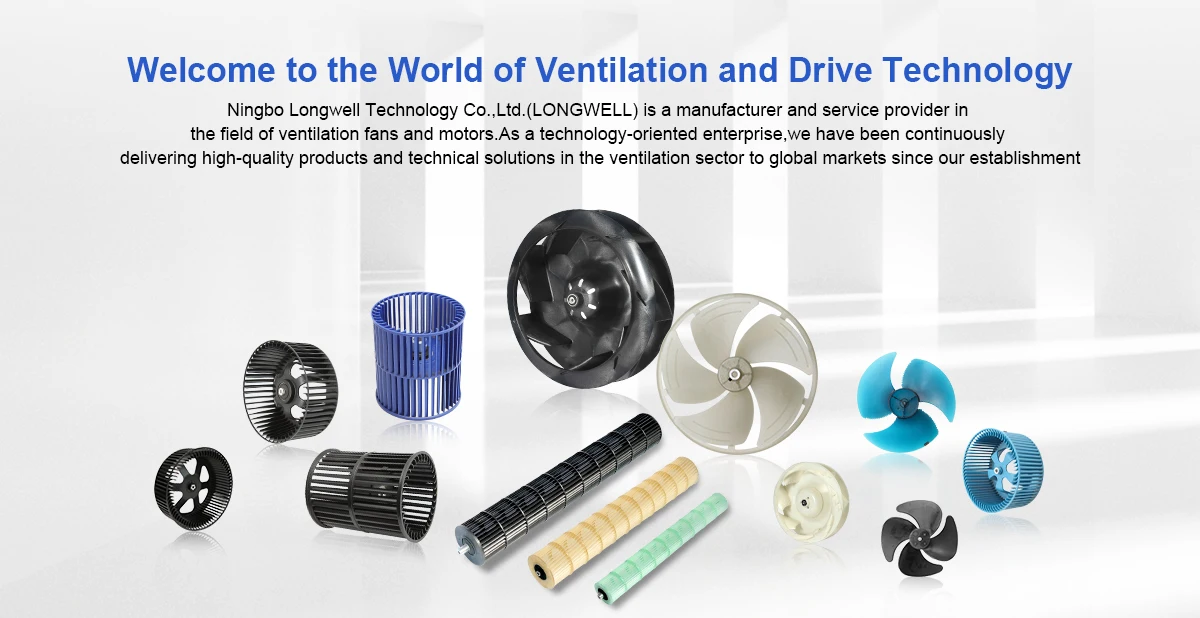
Air conditioner fan blade is manufactured by injection molding from engineering plastics, serving as core components in ventilation equipment such as blowers and HVAC systems. Its rotation generates airflow, facilitating air circulation.

Constructed from plastics including PP, ABS, FRP, polyurethane resin, PET, and nylon, air conditioner fan blade offers advantages such as lightweight construction, low cost, and corrosion resistance, making them ideal for indoor and outdoor applications in commercial, residential, and industrial settings.

Owing to the low melting point of plastics and their high malleability, fan blades can be engineered with enhanced aerodynamic properties. Examples include backward-curved or olive-shaped blades featuring complex surfaces, which effectively boost airflow volume and pressure while reducing energy consumption.

Send Your Inquiry Today!

This site is protected by reCAPTCHA and the Google Privacy Policy and Terms of Service apply.

8 Common Types of Air Conditioner Fan Blade

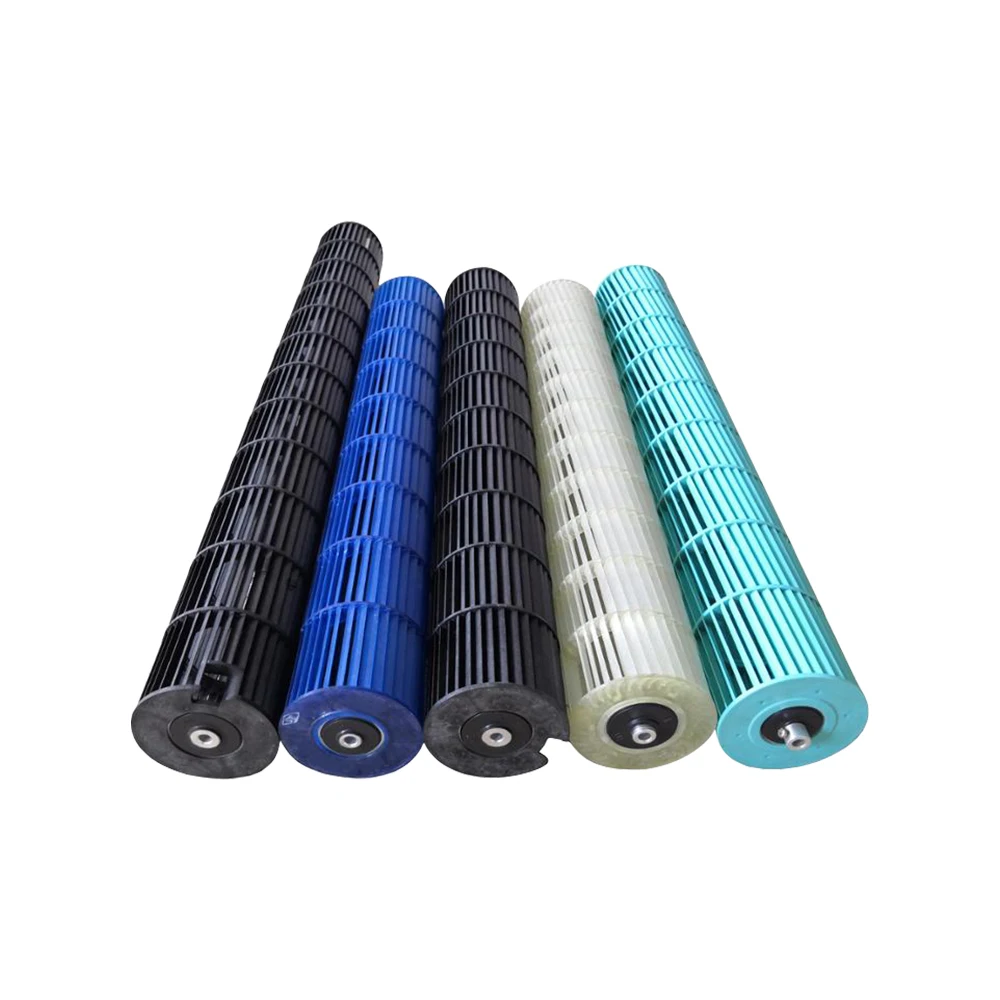
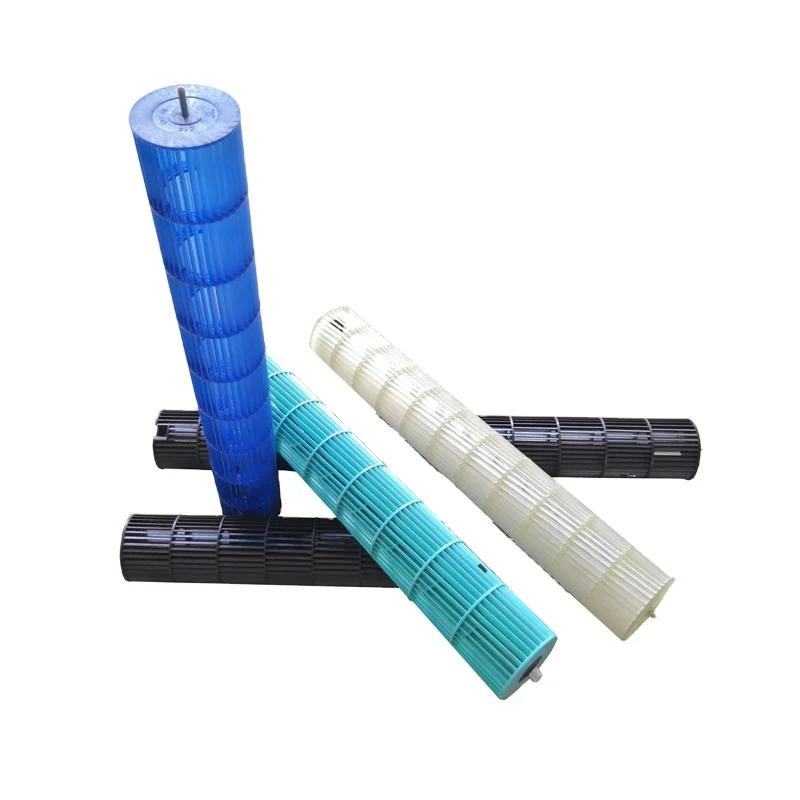
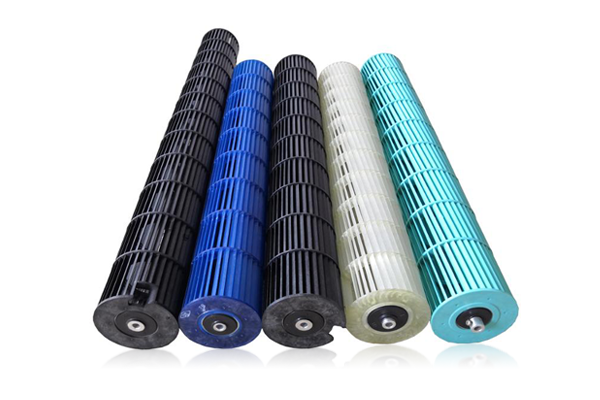
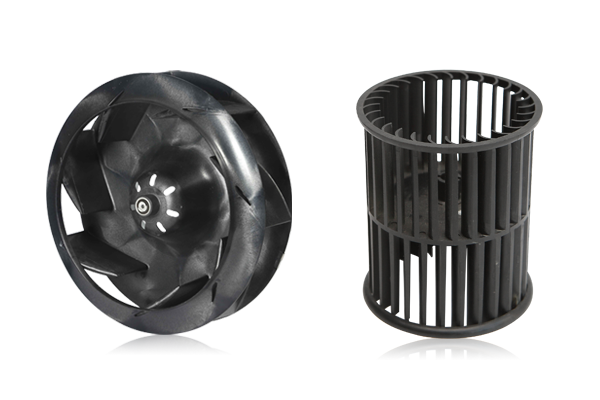
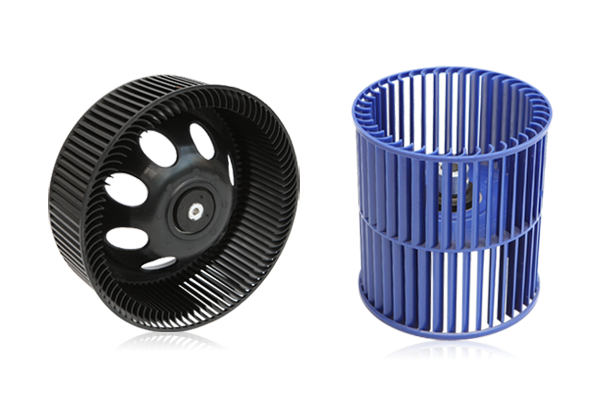
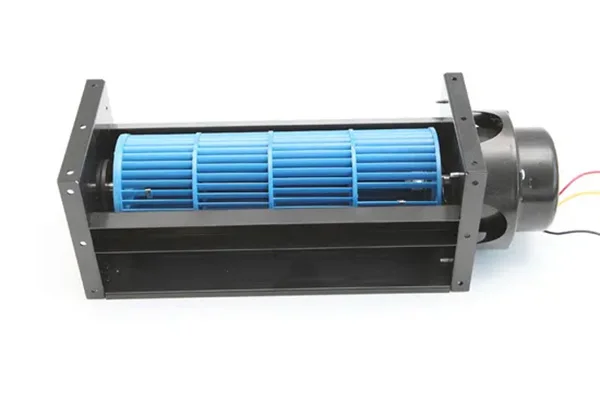
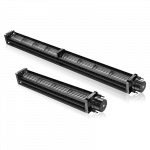
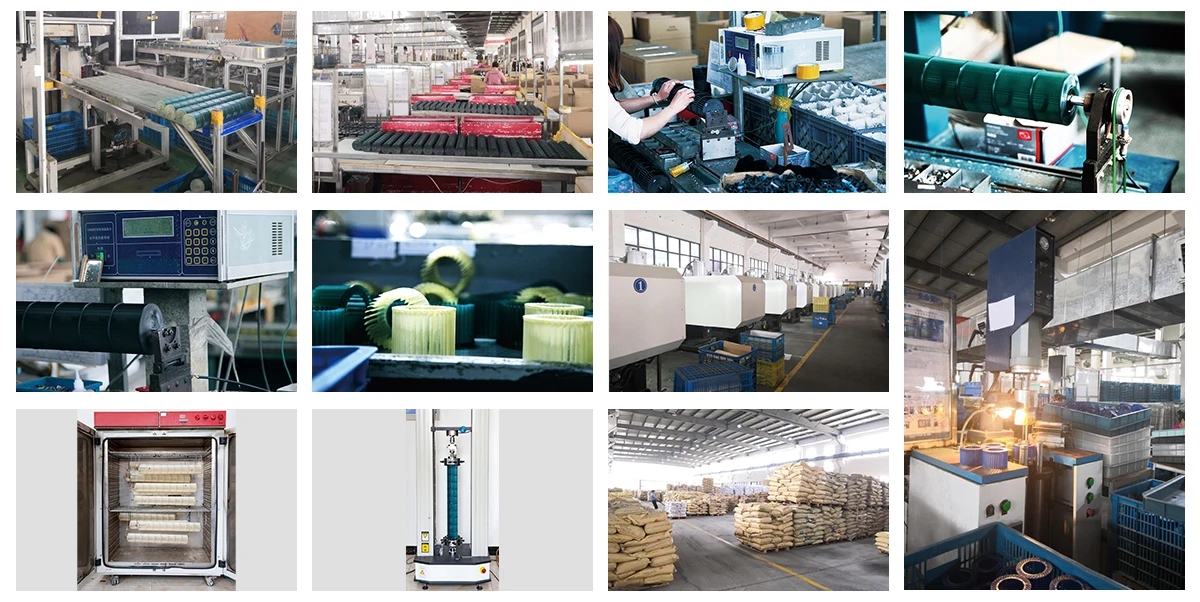
The plastic cross flow fan blade is a long cylindrical structure, which is made by injection molding and ultrasonic welding. Its unique cross-flow design can form a wide and uniform airflow coverage layer, providing a stable laminar air barrier.
Plastic Blower Fan Blade

Plastic Blower Fan Blade

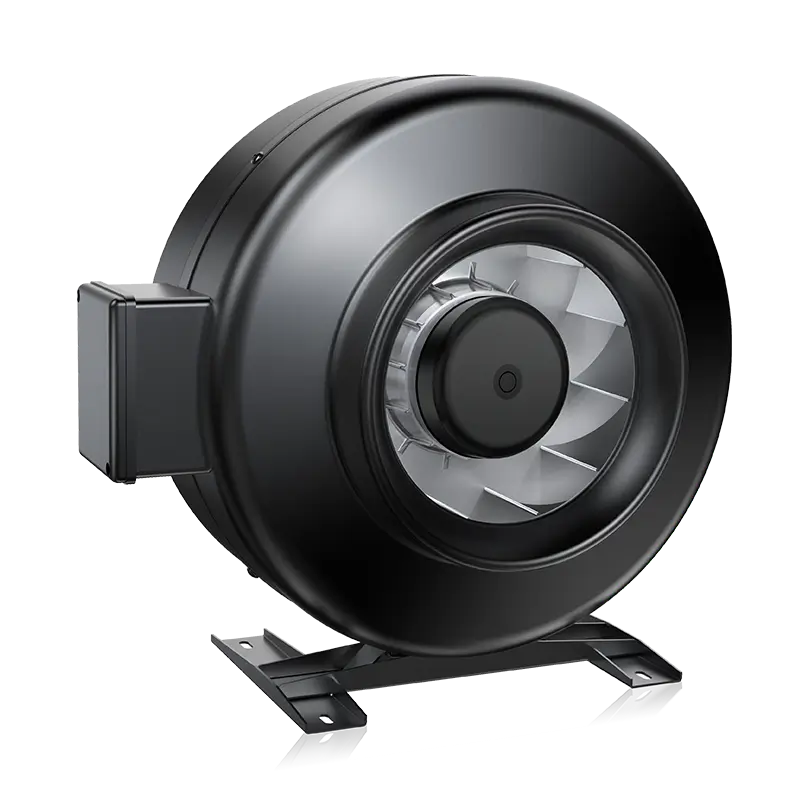
Plastic blower fan blade is the “heart” of many ventilation and heat dissipation equipment. It rotates at high speed driven by the motor, forming centrifugal force to suck in air axially and throw it out radially, thus generating a continuous flow of air.
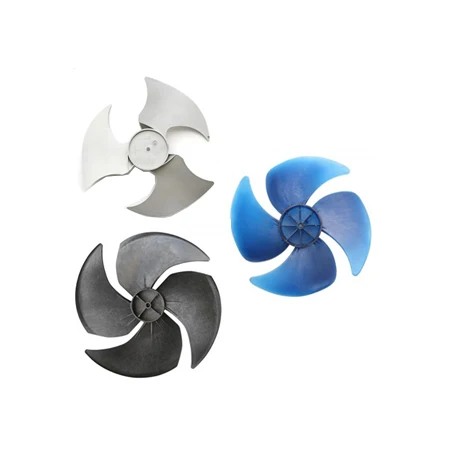
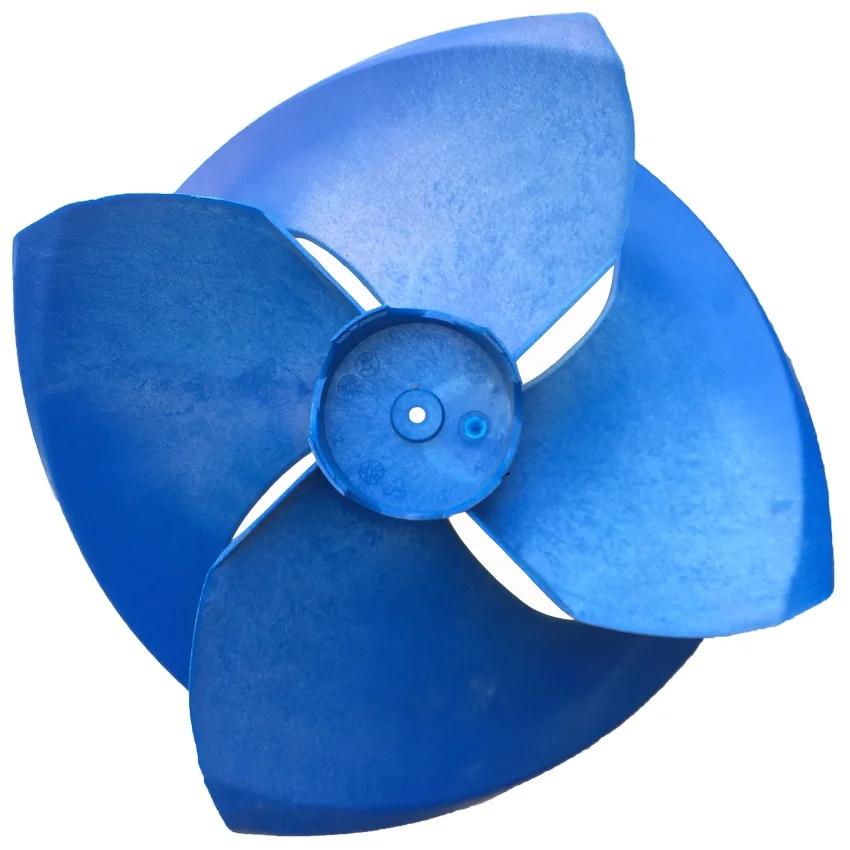
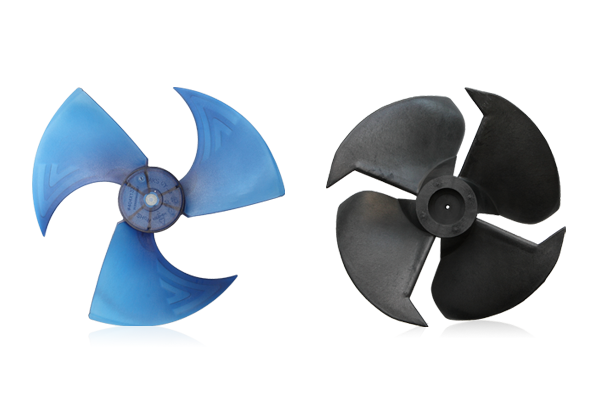
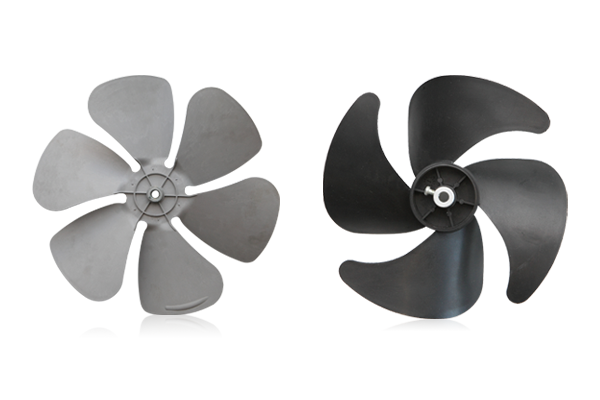
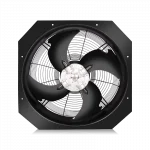
The profile of efficient axial fan blade is wing-shaped, rather than flat, and this design produces greater wind pressure and reduces drag. The resulting airflow is parallel to the rotating shaft, pushing large amounts of air along a straight line.
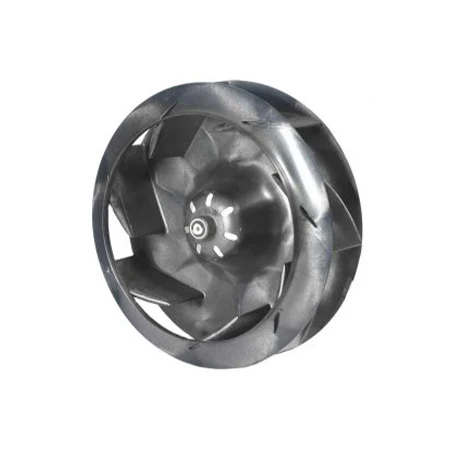
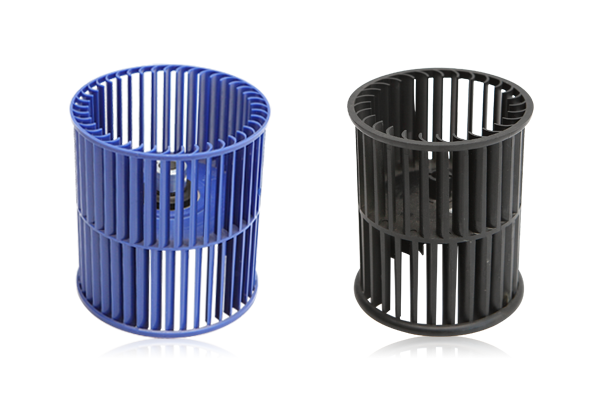
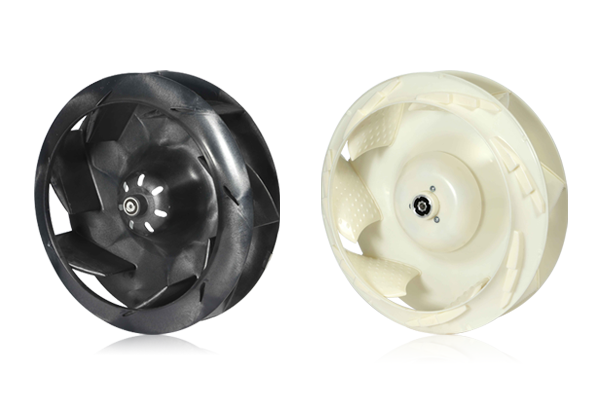
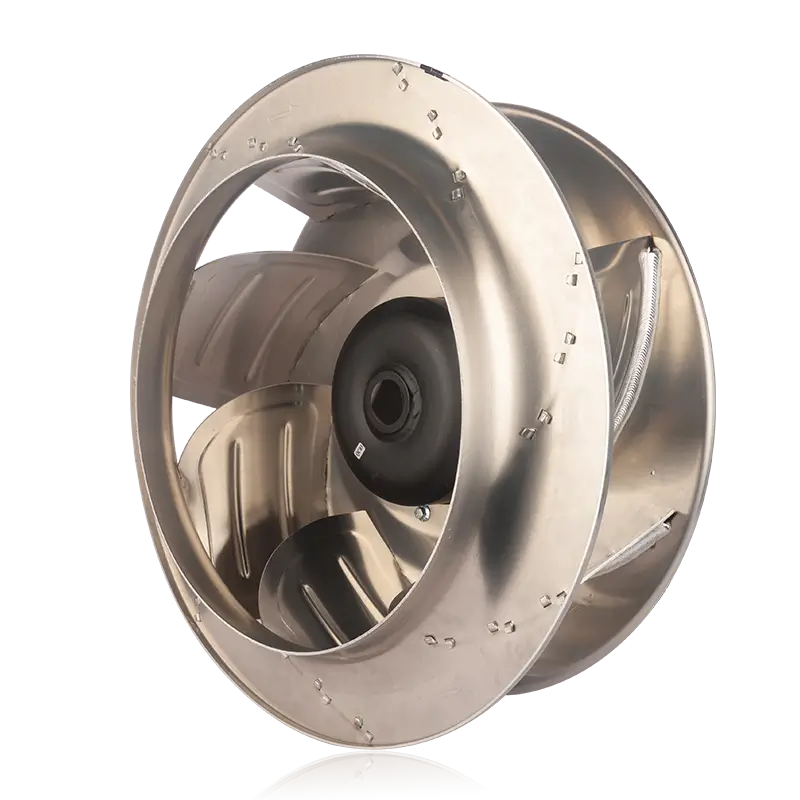
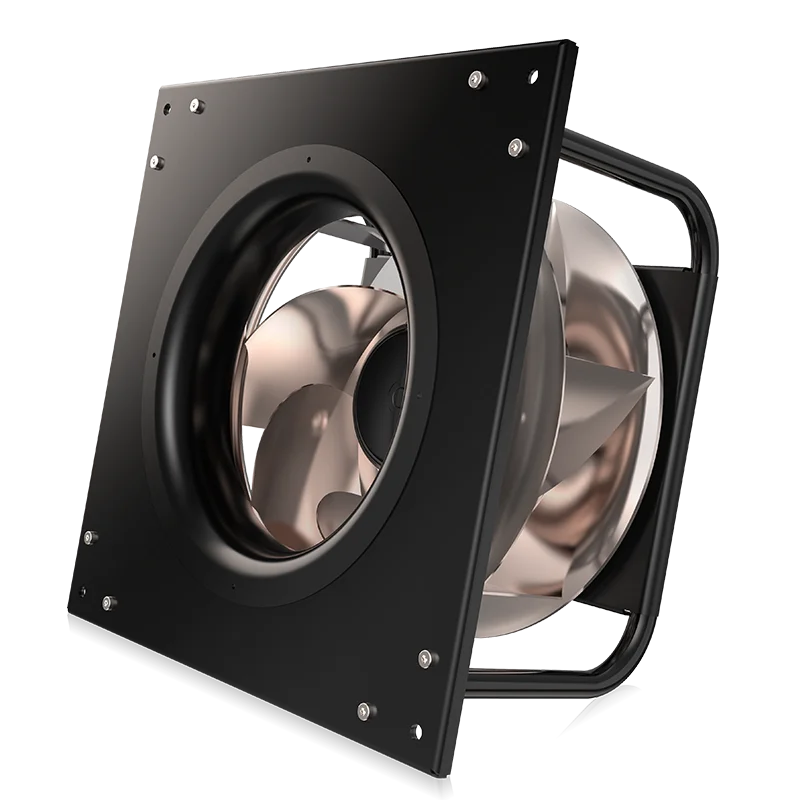
The centrifugal fan blade consists of a front disc, rear disc, blades, and hub. Air is drawn in axially, rotated 90℃ within the impeller, and then ejected radially at high speed. It is suitable for systems that require overcoming pipeline resistance.
Backward Curved Fan Blades

Backward Curved Fan Blades

The top of the backward curved blades is bent in the opposite direction to the rotation direction of the impeller. This design forms a strong structure, so that it can maintain a stable power even when the wind volume is too large, thus protecting the motor.
Forward Curved Fan Blades

Forward Curved Fan Blades

In contrast to the backward curved type, the forward curved fan blades bend in the same direction as the impeller rotation. At the same size and speed, it can produce higher static pressure. It is compactly designed and cheaper to operate.
Plastic Exhaust Fan Blade

Plastic Exhaust Fan Blade

The design and material of the blades directly affect the performance, efficiency and noise level of the exhaust fan. The plastic blades are corrosion resistant, lightweight, low noise, easy to process, suitable for kitchen, bathroom, industrial ventilation, etc.
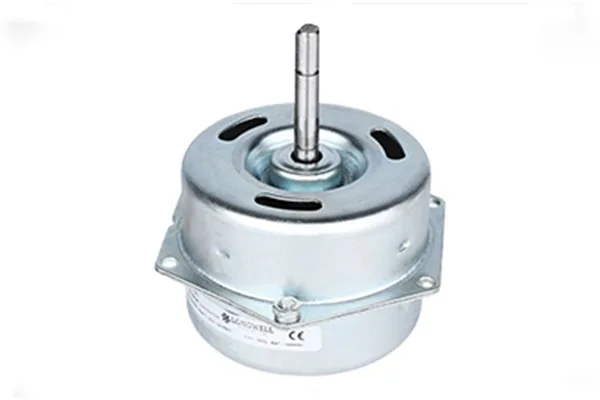
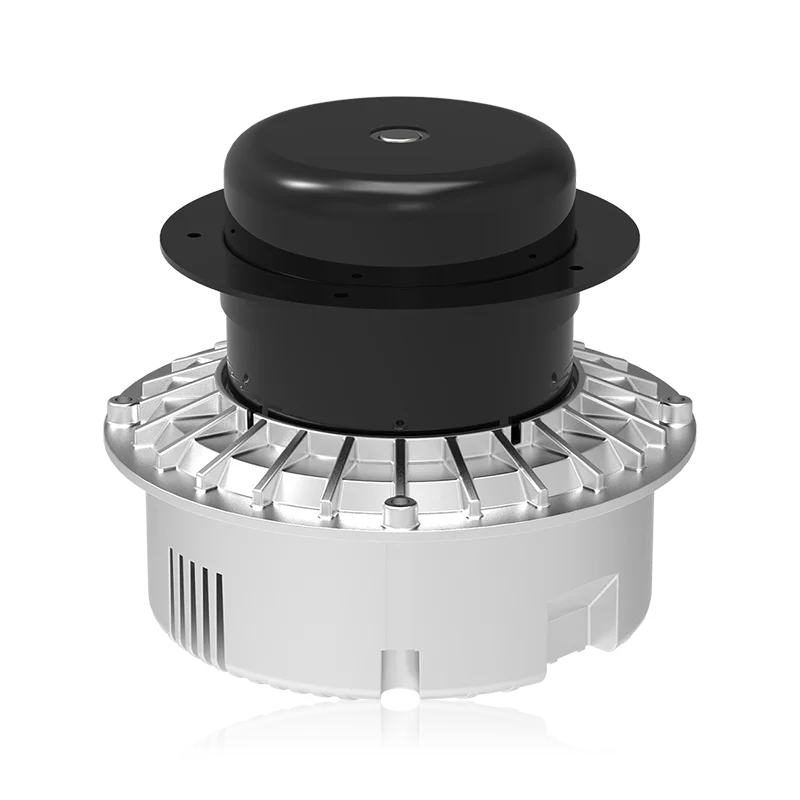
Motors are widely used in air conditioning units, commonly found in condenser fans, blowers, and combustion fans. They power ventilation systems to ensure proper operation of air conditioners. We offer a comprehensive range of options for your selection.
Light Weight

Light Weight

ABS plastic blades can be more than 30% lighter than metal blades, effectively reducing the load of the motor, thus saving energy consumption.
High Plasticity

High Plasticity

Plastic material can be molded into a variety of shapes. You can also use reinforcement to improve the rigidity of the blade and prevent deformation.
Resistance to Corrosion

Corrosion Resistant

Plastic blades will not rust, especially suitable for humid, dust or chemical gas environment, such as workshop ventilation, sewage treatment station ventilation, etc.
Cost-effective

Cost-Effective

The raw material and production cost of plastic is usually lower than that of metal blades, achieving higher cost effectiveness.
Why Choose Longwell Plastic Fan Blades

Why Choose Longwell Air Conditioner Fan Blade

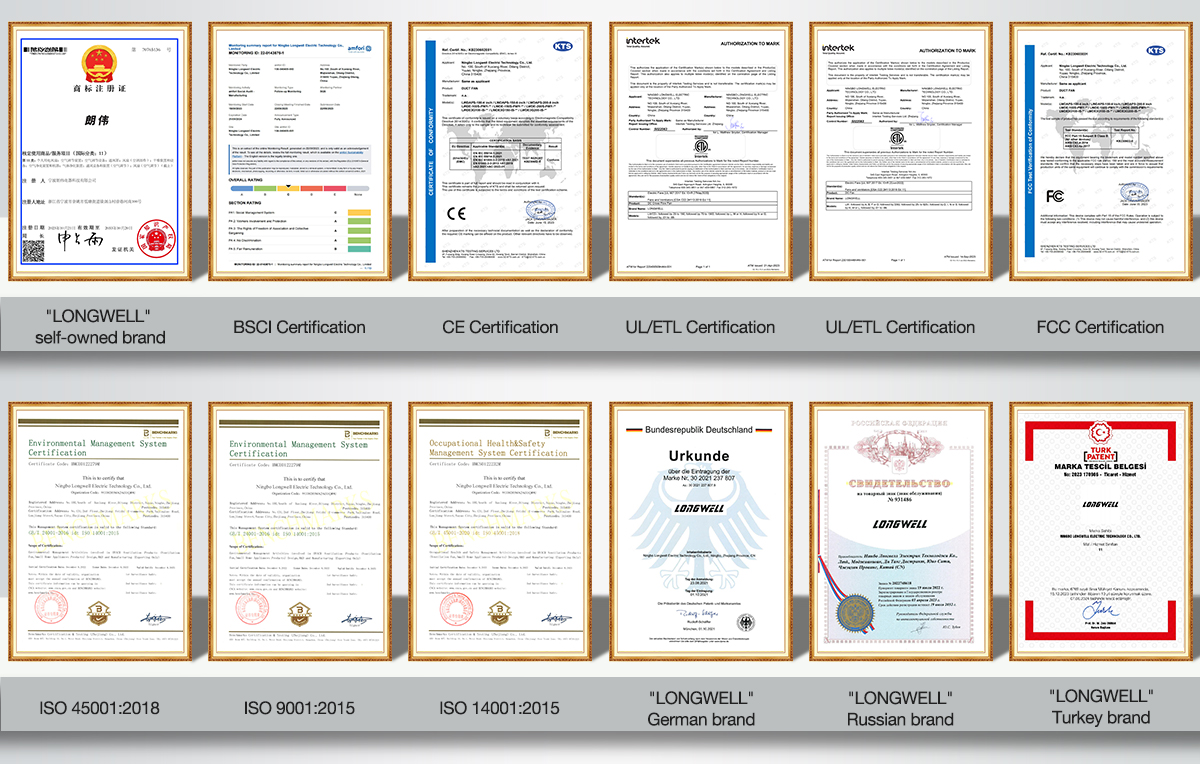
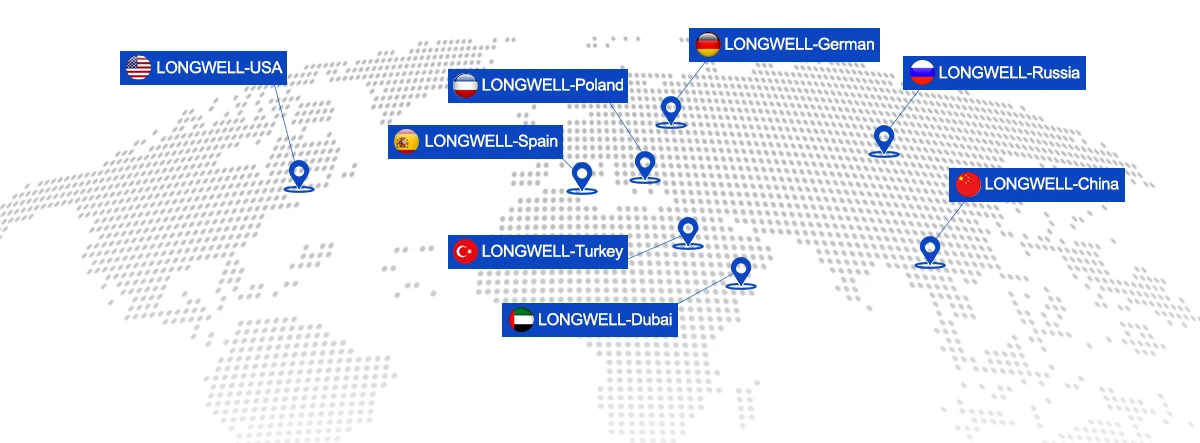
Longwell, located in Ningbo, Zhejiang Province, China, is a factory specializing in the design and production of fans. Through nearly 3 decades of continuous development, we have pushed the performance and quality of each plastic fan blade to the extreme by leveraging cutting-edge material science, precision manufacturing techniques, and ongoing innovative design.
 
To ensure high performance in a variety of environments, Longwell uses lightweight, reliable engineering plastics as raw materials, so our blades have high mechanical strength and durability.
 
If you have specific requirements for the product, such as air volume, static pressure, installation size, noise index, etc., Longwell can design and put into production according to your needs. We are always committed to providing highly customized blade solutions.

Metal vs Plastic Air Conditioner Fan Blade

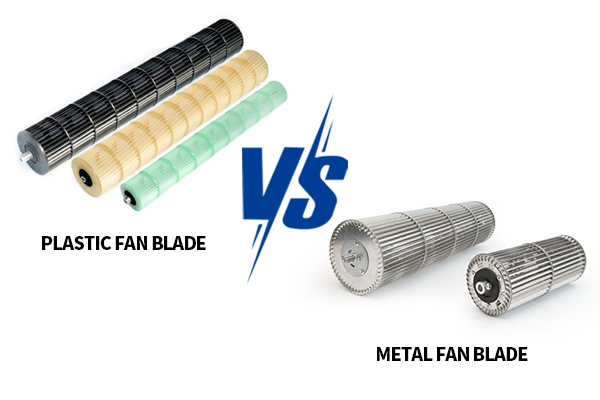
Metal blades are made of materials including stainless steel 304/316, copper alloy, and aluminum alloy. Plastic options include PP, reinforced AS, ABS, and ABS with Glass Fiber. If you’re unsure whether to choose plastic or metal blades, keep reading for the detailed comparison between them.
 
Metal fan blades are generally durable and can withstand high temperatures, making them ideal for high-performance or industrial applications where high heat and durability are required. They are heavier than plastic, resulting in higher stability; however, they require more powerful motors.
 
Plastic fan blades are lighter, and more corrosion-resistant than their counterparts. It saves cost, that is ideal for home and other light commercial fans. They operate with less noise and are easier to install and move.
Metal vs Plastic Fan Blades

Applications of Air Conditioner Fan Blade

Household Air Conditioner

Household Air Conditioner

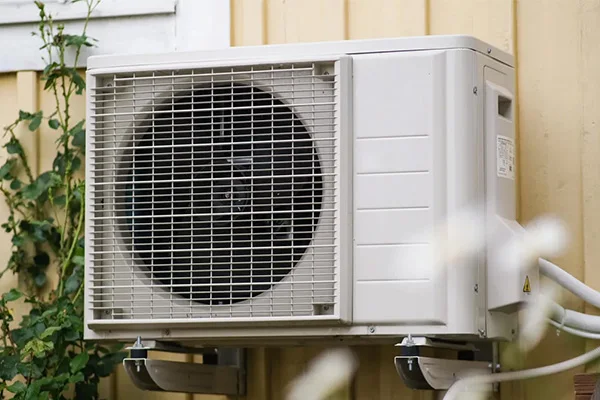
Both indoor and outdoor units of household air conditioners require blades. The indoor unit typically uses through-flow or centrifugal blades, while the outdoor unit employs axial-flow blades. These components function through distinct structural designs and operational principles to guide airflow in specific directions, ensuring the air conditioner operates efficiently.
Automotive Air Conditioners

Automotive Air Conditioners

Compared with household air conditioners, cars require more space for the blades, so compact centrifugal or axial flow blades are popular in car air conditioners. These plastic blades have high rigidity and can adapt to the high temperature and vibration environment inside the car.
Air Curtains

Air Curtains

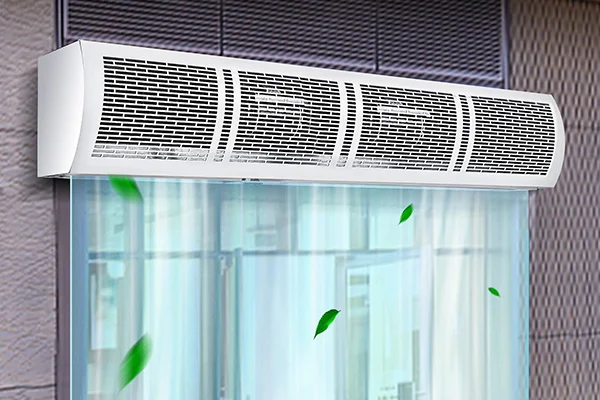
Cascading air blades are the ideal choice for air curtains. They are usually installed above the door to create a uniform, continuous curtain of air that effectively blocks outdoor microbes such as dust, smoke, odors and insects, and prevents indoor heating and cooling from escaping, saving electricity.
Water Cooling Air Conditioner

Water Cooling Air Conditioner

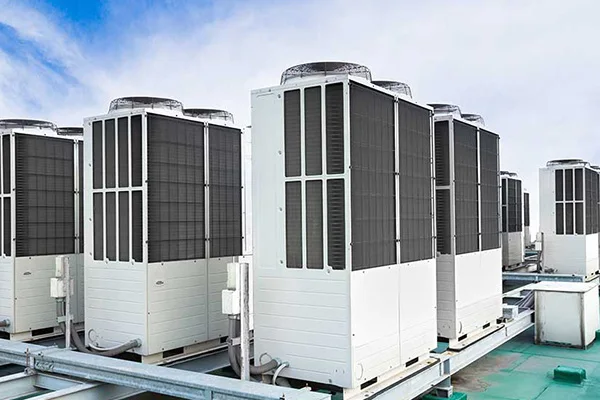
Water-cooled air conditioners are often located in humid environments, so corrosion-resistant plastic blades are the perfect choice. They effectively resist corrosion from moisture and chemicals, preventing rust like metal blades do, thus ensuring long-term stable operation of the equipment.
Fan Heaters

Fan Heaters

The plastic fan blades in the heater need to withstand high outlet temperature. Engineering plastics, such as PPS, can maintain stable shape and function at a certain high temperature, and its axial flow design can effectively blow hot air uniformly.
Elevator Ventilation Blower

Elevator Ventilation Blower

The ventilation system of elevator cabins has a very limited space and high noise control requirements. Small axial flow or centrifugal plastic blades can well balance air volume, volume and noise, ensuring fresh air in the cabin and keeping the operating sound at a low level.
Commercial Air Conditioning

Commercial Air Conditioning

Commercial air conditioners are located in large shopping malls, supermarkets, hospitals or other public areas, which require higher durability, air volume and noise control of the blades. The glass fiber reinforced plastic blades can operate stably for a long time and meet the requirements of low noise in commercial occasions.
Air Purifier

Air Purifier

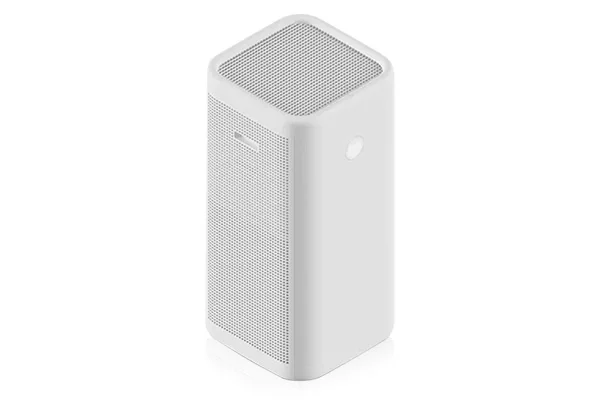
The multi-blade centrifugal fan is the core of the air purifier. It can generate stable and continuous pressure under the premise of low noise, forcing the air to pass through HEPA filter, activated carbon and other multiple filter layers to achieve high efficiency purification.
Tower Cooling Fans

Tower Cooling Fans

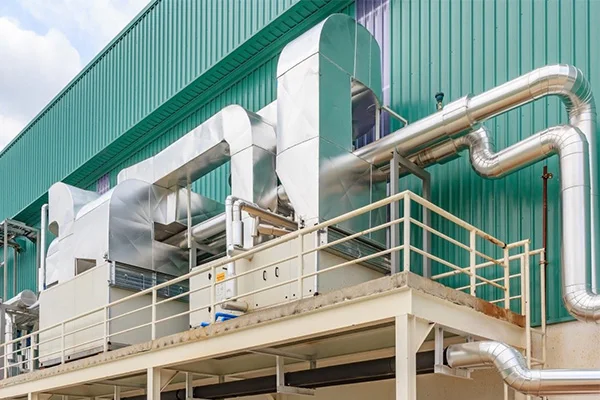
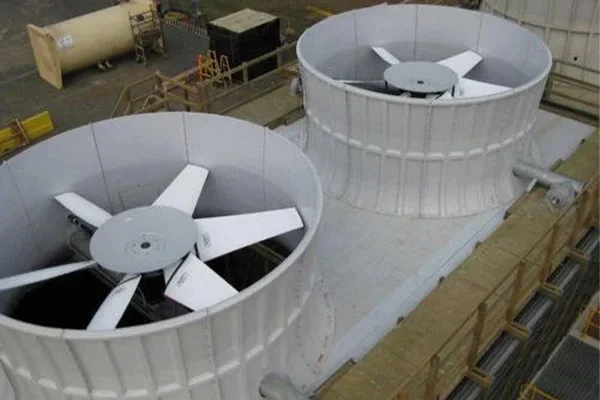
The large axial flow fan blade used in cooling tower needs to have high strength and weather resistance, so as to withstand the harsh outdoor environment, such as sun, rain, temperature difference, etc., and maintain long-term efficient operation, so as to ensure the heat dissipation efficiency of cooling tower.

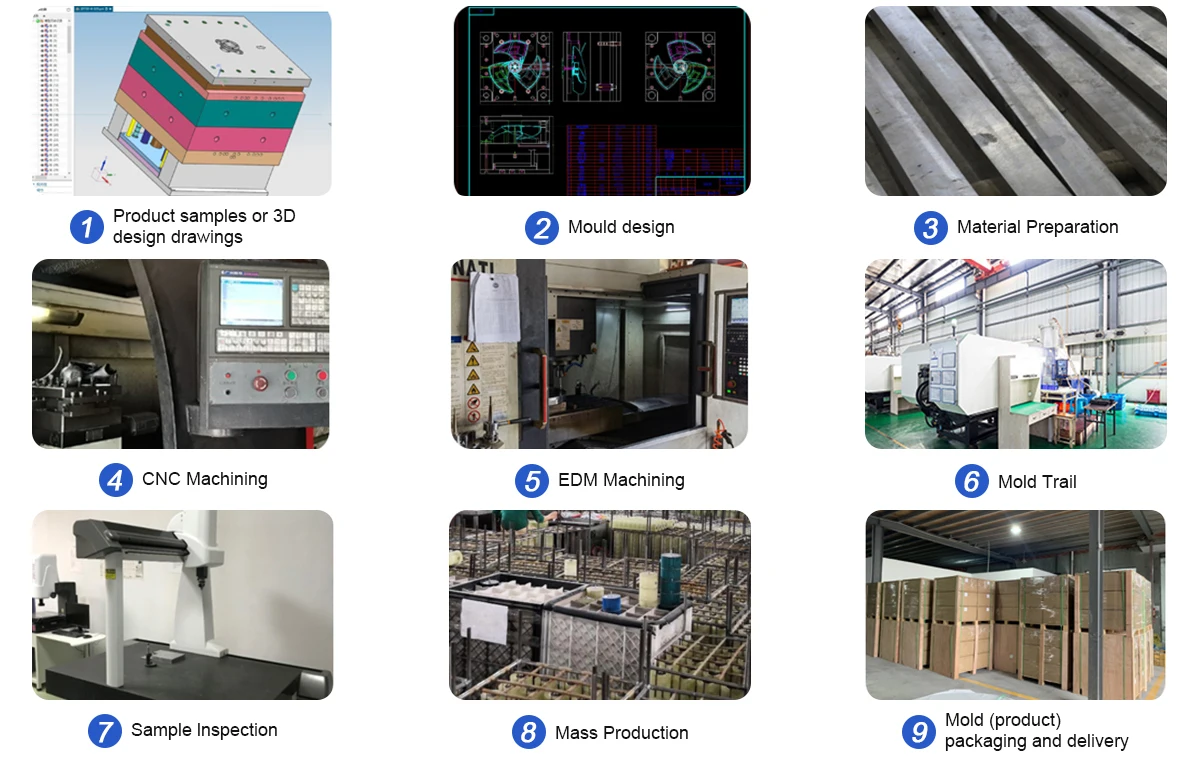
Mold Manufacturing Process

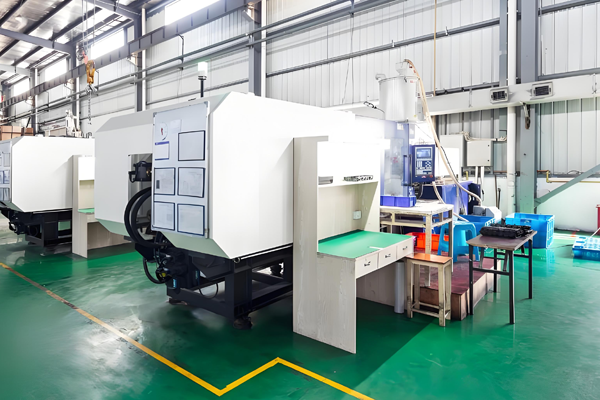
Our Mechanical Design services include complete structural design, Stack-up design, tolerance analysis, material selection DFMEAFM and DFA., one of Design Integrity’s most valuable tools in new product design is the failure modes and effects analysis (FMEA).

Process of Air Conditioner Fan Blade

What Our Customers Say after Used

Frequent Questions You May Have about Air Conditioner Fan Blade

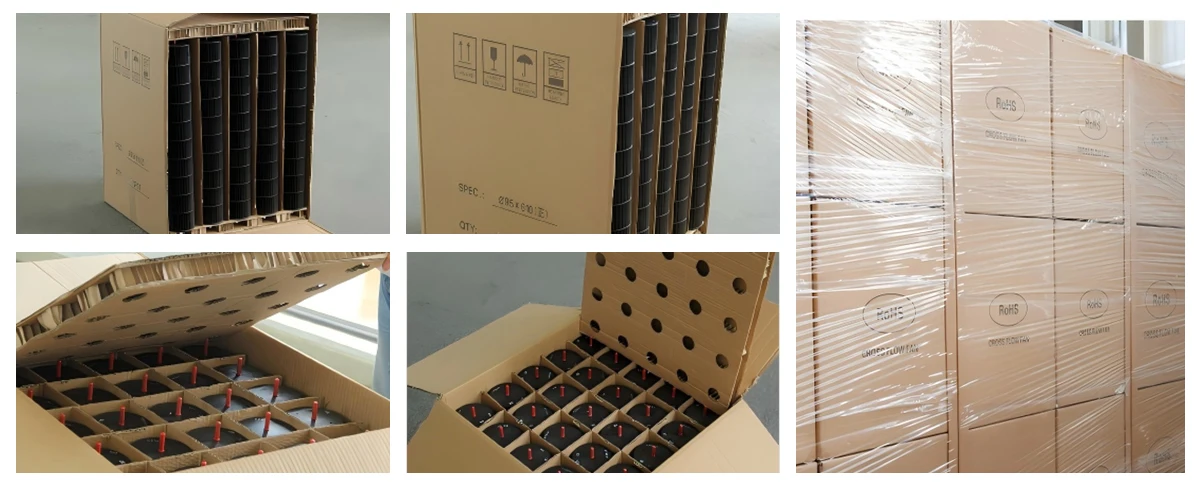
1. Whats' the package for the bulk order of cross flow impellers ?
For outer package, high strength corrugated case is used, in which partitions are adopted and spacers (paper slips) are placed at top and bottom for protection.
 
The steel shaft of the product is protected with P protective cap to prevent scratches or stains. For outer packaging, five-layered corrugated box, which are used for sea transportation, plus paper petitions are adopted; for the packaging of shaft or bush ends, protective measures are adopted to avoid impact or damage during the transportation.
Customized Size is available based on our mould factory , please get in touch with us for detills. Longwell has extensive design and manufacturing experience in the HVAC ventilation industry.
 
Its main products are mainly supplied to globally renowned air conditioning manufacturers. It has rich OEM manufacturing experience and can meet the main equipment requirements of different customers.
Main Technical Parameter
● Axial Runout: ≤0.5mm;
● Radial Runout: ≤0.4mm;
● Class of Dynamic Balance Accuracy G6.3

Category of LONGWELL Products

The Ventilation and Drive Technology Partner for Mission-Critical Environments.

Corrosion-Resistant Air Conditioner Fan Blade for Industrial Ventilation Systems

Longwell air conditioner fan blade is engineered for superior performance and durability. Crafted from high-quality materials, they are lightweight, which reduces the overall load on the motor and enhances energy efficiency!

Send Your Inquiry Today!

This site is protected by reCAPTCHA and the Google Privacy Policy and Terms of Service apply.