LONGWELL Centrifugal Fans: Driving Energy Efficiency and Smart Control in Modern Building Air Treatment
The Necessity of Intelligent Air Solutions
In today’s rapidly evolving global economic landscape, there’s a growing demand across commercial, industrial, and public infrastructure for indoor environments that are sustainable, energy-efficient, and intelligently controlled. Modern businesses face a critical dual challenge: optimizing indoor air quality and occupant comfort while significantly reducing operational energy consumption and environmental footprint. This isn’t just about cost savings, but also about corporate social responsibility and long-term competitiveness.
Ningbo Longwell Technology Co., Ltd. (LONGWELL), a pioneer in air movement and treatment solutions, is actively addressing this challenge with its expertise in designing and manufacturing advanced centrifugal fans and integrated systems. Longwell consistently adheres to engineering principles of innovation, exceptional quality, and customer-centricity, striving to deliver tangible value to the market. To further substantiate these capabilities, this document will delve into a significant project recently executed by Longwell in the Netherlands, a case that fully demonstrates Longwell’s outstanding ability to provide highly customized, high-efficiency, and seamlessly MODBUS-integrated air treatment solutions.
The current market is undergoing a significant transformation, with demands for HVAC systems extending beyond basic functions to a pursuit of complex, interconnected, and energy-efficient solutions. For instance, the demand for ENERGY STAR certified products and technologies like heat pumps clearly indicates that “energy-efficient air treatment units for buildings” are becoming an industry focus. Longwell’s products are no longer just standalone components, but rather comprehensive solutions closely aligned with this macro industry trend, aimed at achieving intelligent, sustainable, and cost-effective building operations. This strategic positioning makes Longwell a forward-thinking partner, rather than merely a supplier, capable of meeting B2B decision-makers’ increasing concerns about long-term operating costs, regulatory compliance, and environmental responsibility.
Customer Success Story: LONGWELL Provides Custom Solutions for a Dutch Air Equipment Manufacturer
The protagonist of this success story is a renowned air equipment manufacturer in the Netherlands, LW2219555. This client faced a specific technical challenge: the need for a high-efficiency centrifugal fan with a mandatory MODBUS protocol integration, for use in their energy-efficient air treatment units for buildings. This requirement highlighted the client’s high demands for advanced technology and precision. Longwell, with its exceptional engineering capabilities, provided a tailor-made centrifugal fan solution, including a unique “customized pressure nozzle mold” design. This demonstrates Longwell’s ability to provide highly specialized, customized components that meet precise performance metrics for clients.
The following table summarizes key information from the Dutch project:
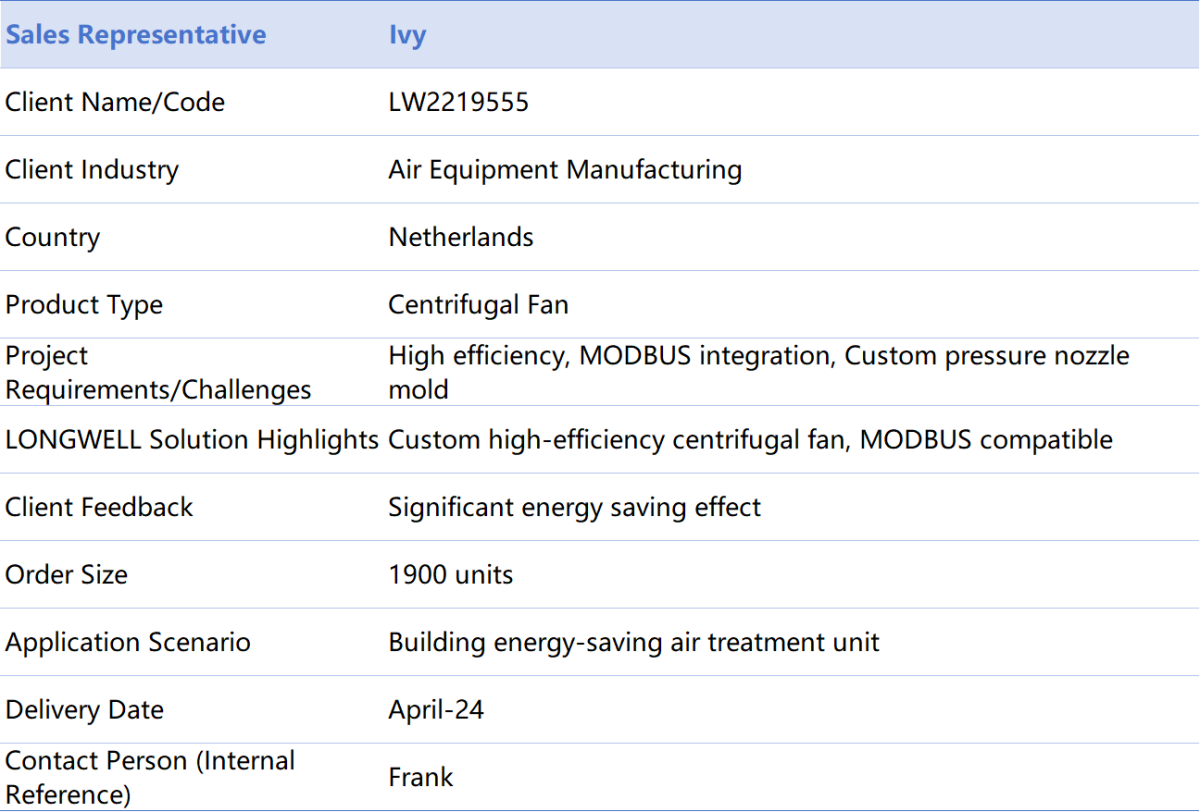
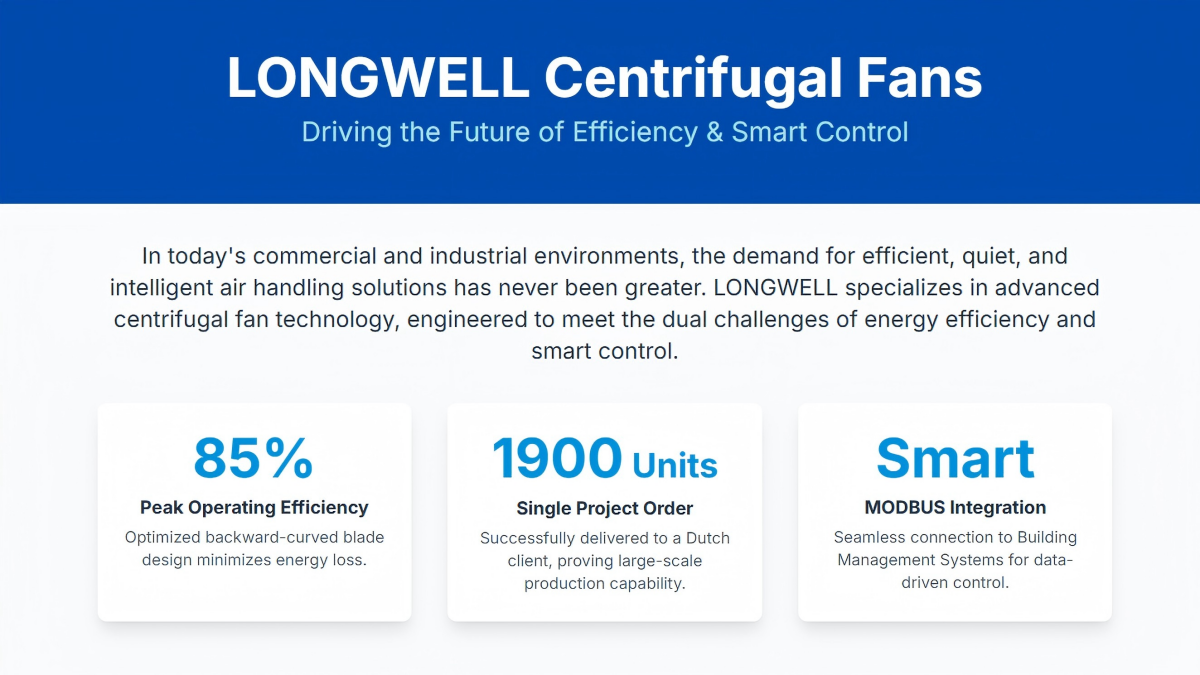
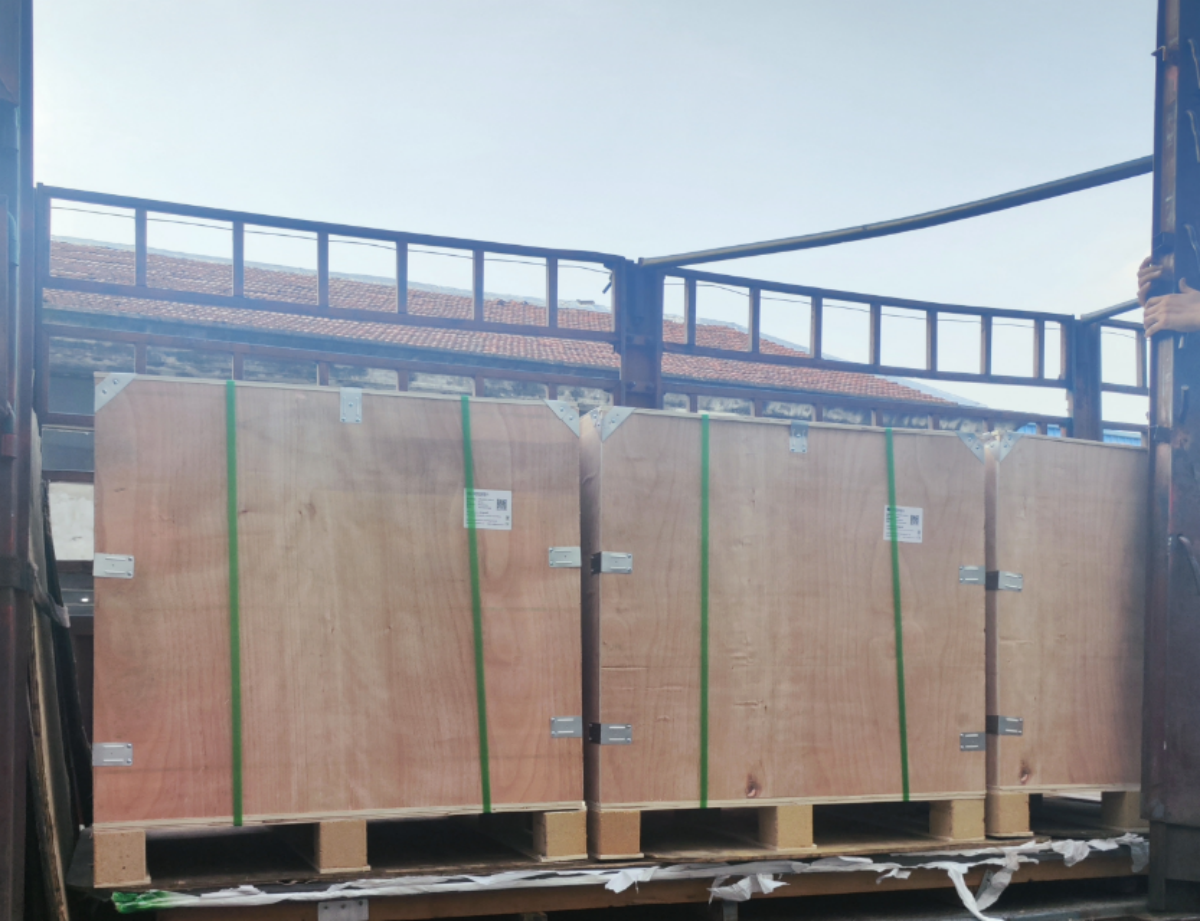
The project’s outcomes were significant and positive: the client directly reported “significant energy saving effect,” powerfully validating Longwell’s commitment to meeting and even exceeding the client’s core demand for “high efficiency.” Furthermore, the substantial order quantity of 1900 units, as shown in the image of neatly packaged units awaiting shipment, clearly demonstrates Longwell’s strong production capacity and reliable supply chain management for large-scale custom projects.
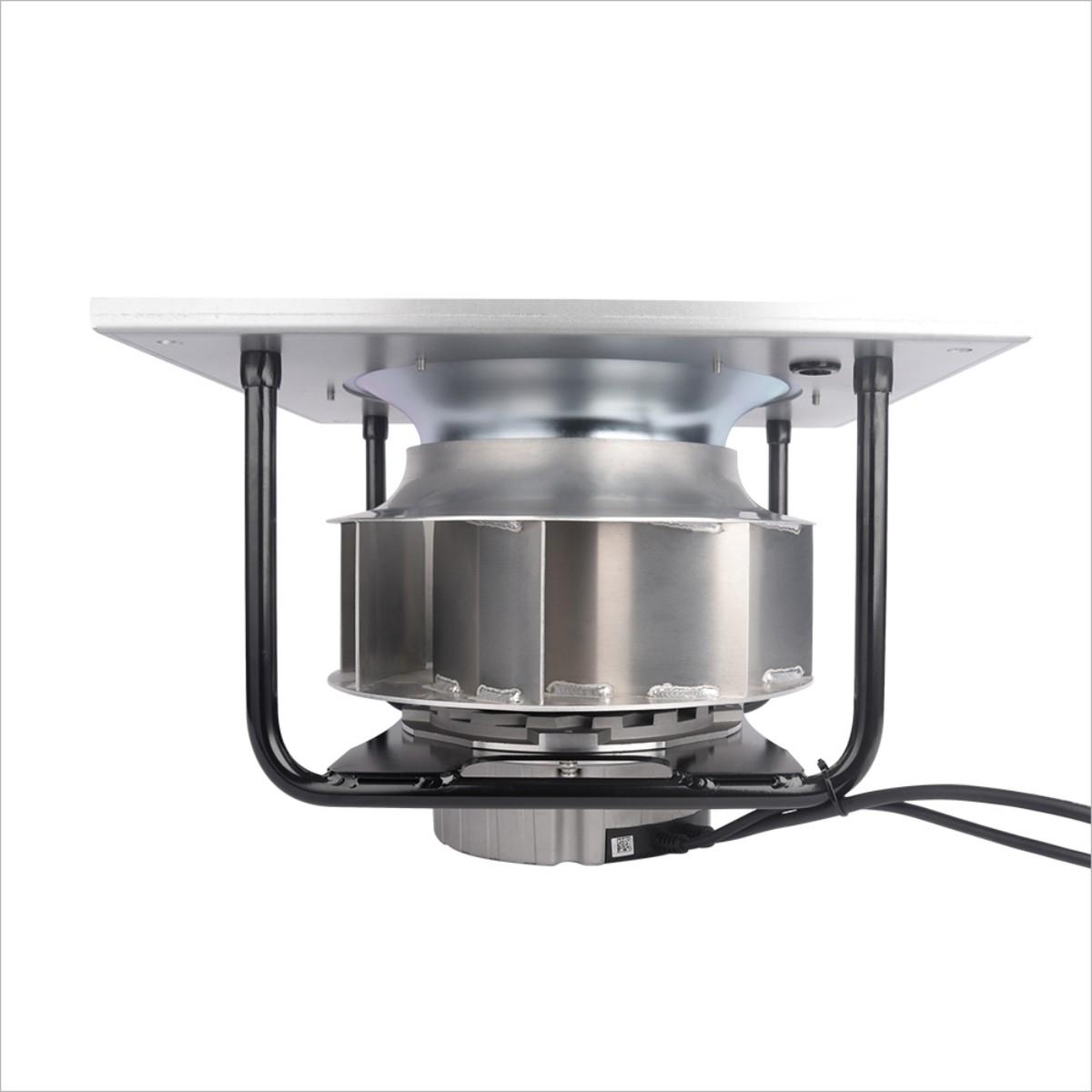
The explicit mentions of “customization” and “customized pressure nozzle mold” in the case are not merely product features; they more deeply reveal Longwell’s outstanding engineering capabilities and manufacturing flexibility. This indicates Longwell’s ability to precisely adjust its core technology to meet client’s specific performance requirements for critical parameters such as pressure. This ability to provide customized solutions constitutes a powerful competitive advantage in the B2B technical product sector, as generic, off-the-shelf solutions often fail to meet the highly specialized applications of clients facing unique operational challenges and requiring customized engineering solutions, thereby securing higher-value projects.
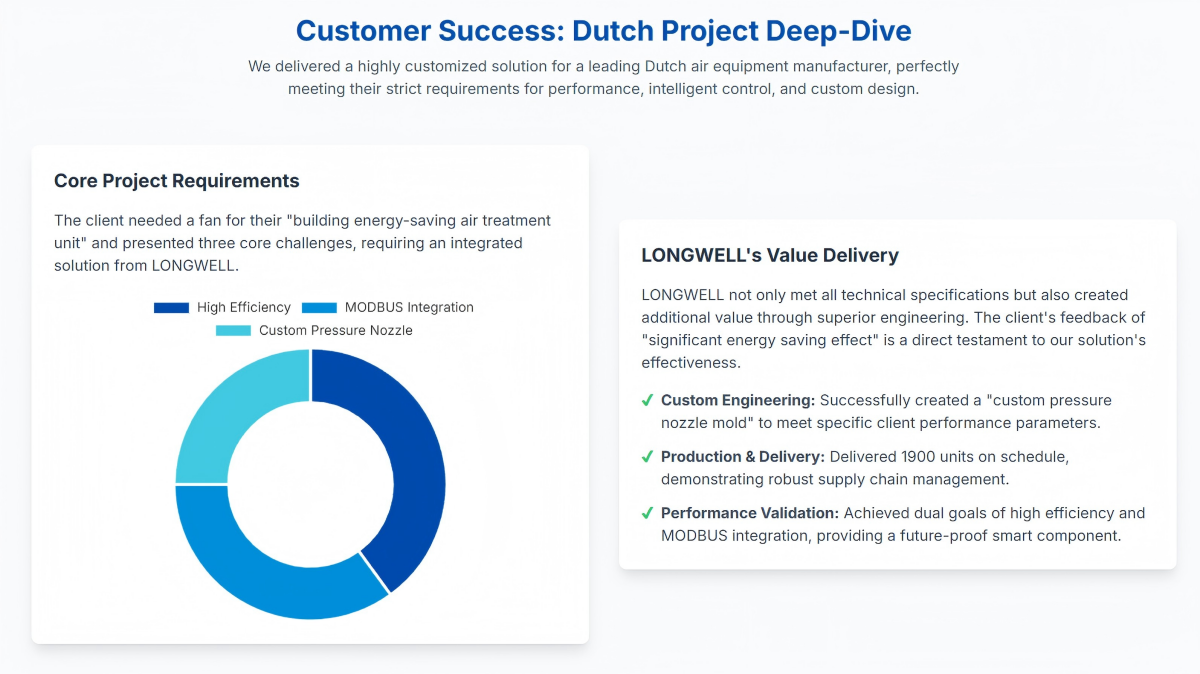
The direct client feedback of “significant energy saving effect,” while qualitative, constitutes a strong demand. Therefore, Longwell markets its advanced R&D and customization capabilities as core services, rather than merely as a product feature. This strategic positioning will attract third-party recognition. Such client testimonials are more persuasive than any self-proclaimed advantages, as they closely link Longwell’s solutions to the client’s actual business interests, providing real-world value validation. To further enhance marketing effectiveness, Longwell should prioritize capturing more precise, quantifiable data in all future case studies, such as “percentage of energy saved,” “kilowatt-hours saved per year,” or “amount of operational cost reduction.” This will further strengthen marketing claims with empirical evidence, providing potential clients with a more attractive return on investment (ROI) calculation. Even so, strong qualitative feedback for establishing brand trust and demonstrating actual impact remains crucial.
The Core of Innovation: LONGWELL’s Advanced Centrifugal Fan Technology
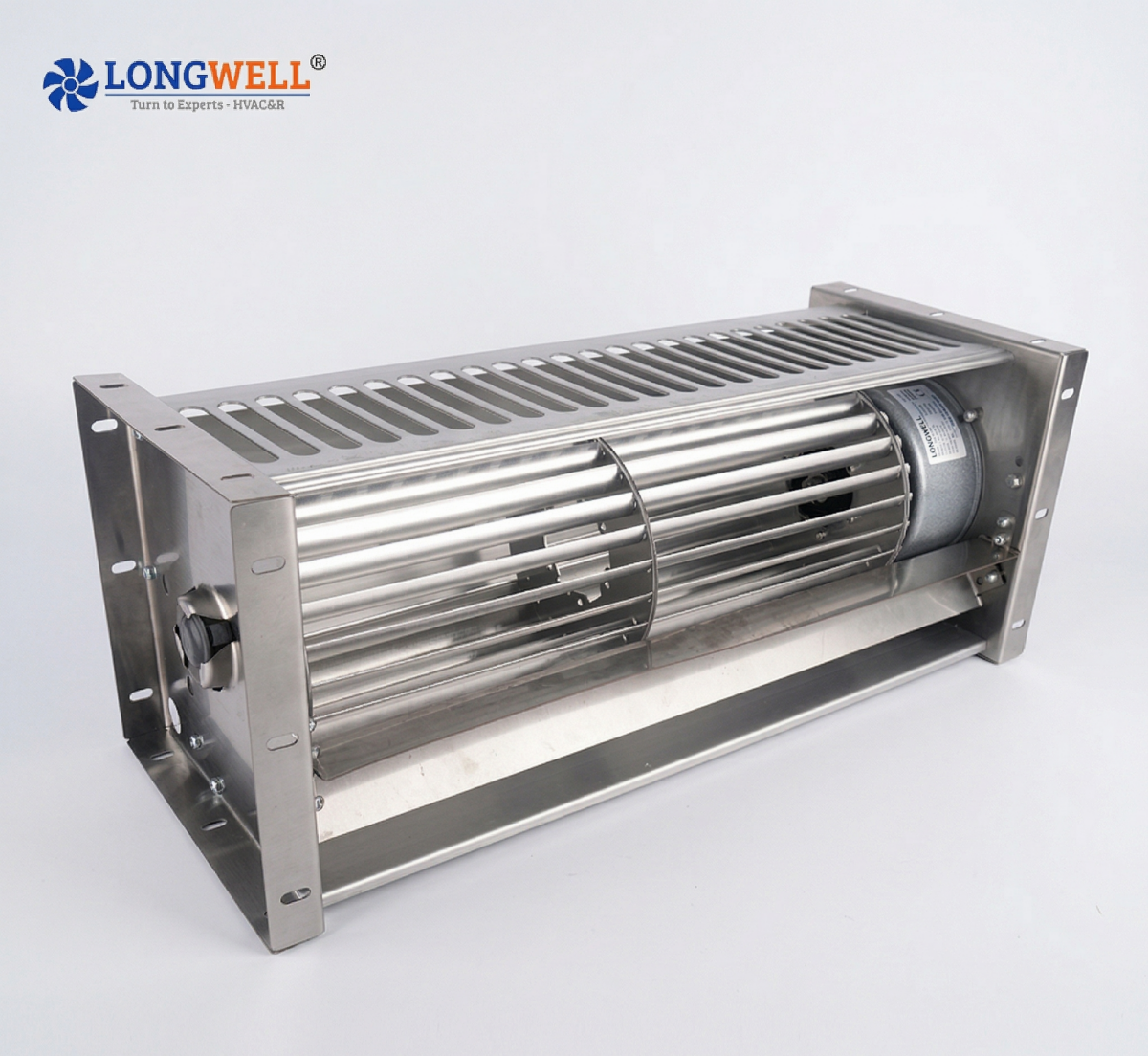
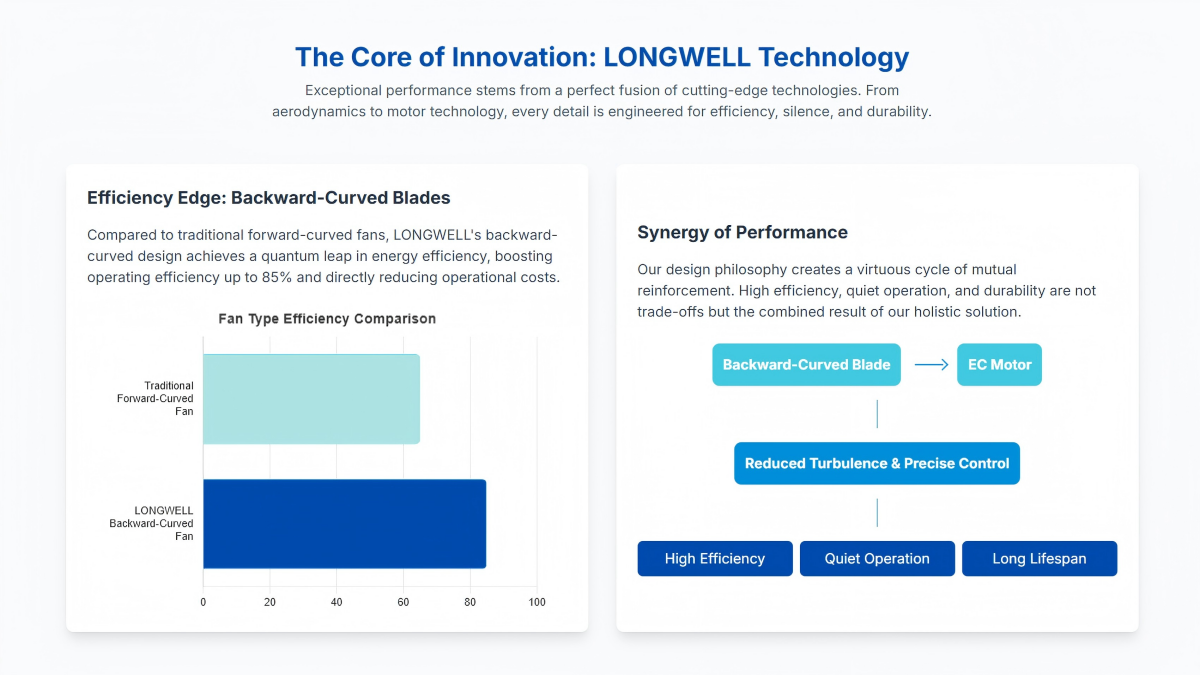
Longwell centrifugal fans, as successfully deployed in the Dutch project, feature an advanced backward-curved blade design. This design choice is the cornerstone of their superior performance. Backward-inclined/backward-curved blades are recognized as “more efficient” and are specifically designed for “high-pressure applications.” Their innovative design significantly “reduces turbulence, allowing for smooth airflow while maintaining higher static pressure.” This optimized aerodynamic characteristic enables these fans to achieve efficiencies of up to “85%.” This technical detail directly meets the client’s explicit demand for “high efficiency” and the implied requirement for strong static pressure. This design fundamentally “reduces energy loss” and ensures “smooth airflow,” which is crucial for achieving optimal system performance.
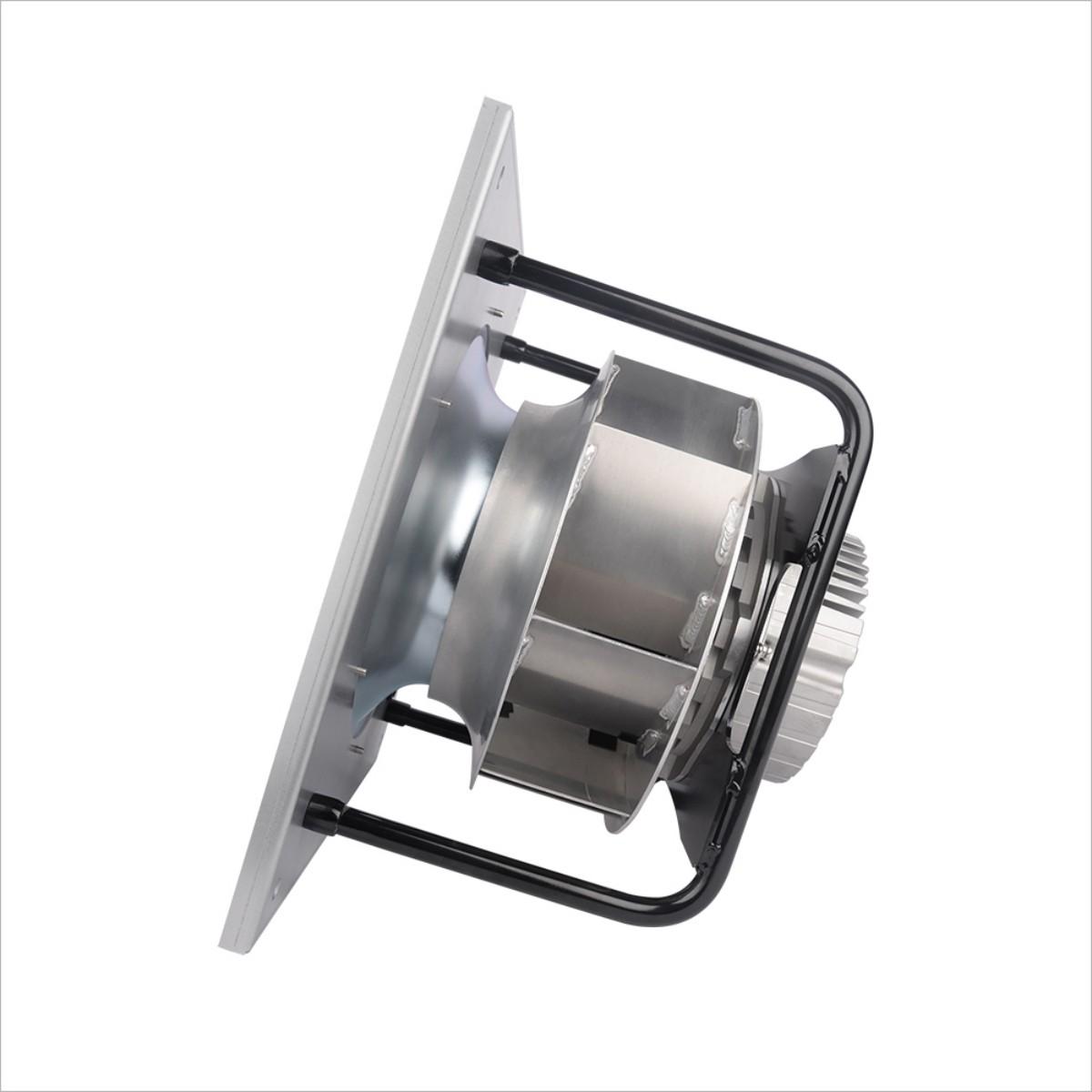
In addition to efficiency, the backward-curved blade design also significantly contributes to “lower noise levels” and “quiet operation.” This makes Longwell’s fans “ideal for noise-sensitive environments” such as modern offices, healthcare facilities, and clean rooms, where acoustic comfort is a primary consideration.
Modern high-efficiency centrifugal fans, especially Longwell’s products, seamlessly integrate Electronically Commutated (EC) motors. This integration is central to their advanced capabilities. EC backward-curved centrifugal fans “combine high efficiency with advanced motor technology. They consume less energy, operate quieter, and are ideal for high static pressure applications.” Furthermore, these motors offer sophisticated “variable frequency control” capabilities, enabling “precise airflow regulation.” EC motors are a key driver for achieving the “high efficiency” and “MODBUS” requirements in the case study. It not only significantly improves energy saving but also provides precise, dynamic control, which is crucial for intelligent building management systems. The ability to precisely adjust airflow (variable frequency control) based on real-time environmental needs directly translates into optimized energy utilization, thereby reducing waste.
Longwell’s steadfast commitment to robust design principles and strict manufacturing processes ensures product longevity and high reliability. The correct design and interaction between the impeller and the volute (spiral casing) ensure “smoother airflow, reduced turbulence, leading to quieter operation and less energy loss.” Crucially, this optimized design also “reduces stress on system components,” thereby extending “equipment lifespan” and significantly reducing maintenance frequency and “repair needs.” For B2B customers, the Total Cost of Ownership (TCO) extends far beyond the initial purchase price. Longwell’s focus on durability, reduced wear and tear, and lower maintenance requirements means considerable long-term operational savings and higher system uptime for clients, offering compelling economic advantages.
Research indicates a synergistic relationship between high efficiency, quiet operation, and product durability, all stemming from the backward-curved blade design and optimized airflow. This is not a series of trade-offs, but a set of mutually reinforcing advantages. For example, reduced turbulence (a primary driver of efficiency improvement) naturally leads to lower noise levels and reduced mechanical stress on components, thus extending lifespan. Therefore, when promoting Longwell products, emphasizing this holistic advantage is crucial. The message should be: “Our fans are not just efficient or quiet, but efficient, quiet, and durable,” providing a superior, comprehensive solution that simultaneously meets multiple key client needs. This integrated value proposition will attract clients seeking multi-faceted performance enhancements.
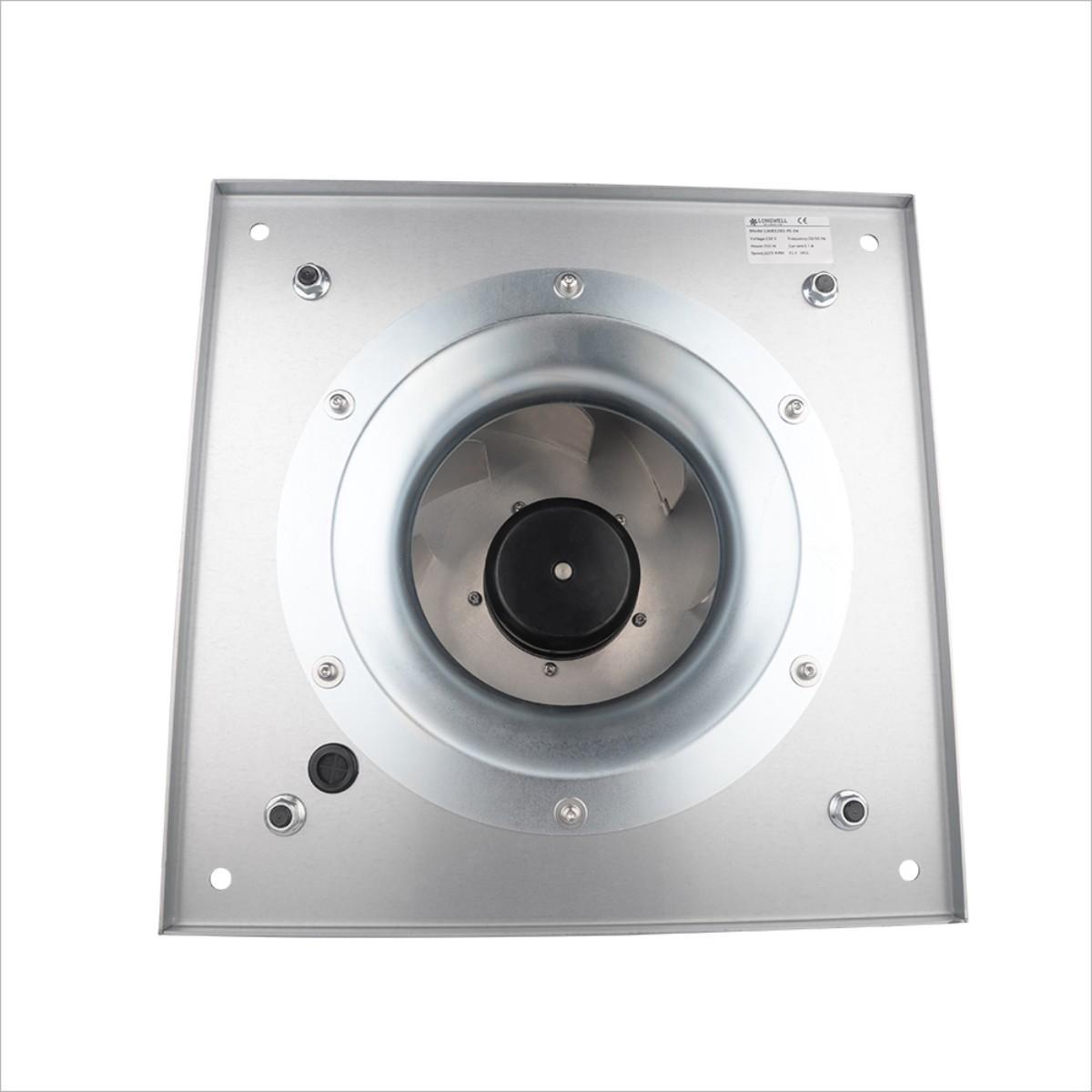
EC motors are highly regarded for their exceptional efficiency and precise control capabilities. This fine control is essential for effective MODBUS integration and the broader paradigm of intelligent building automation. Without the ability to precisely regulate fan speed and airflow, valuable data collected via MODBUS sensors cannot be effectively translated into actionable system adjustments. Therefore, EC motors should not merely be positioned as optional accessories, but as foundational technology that enables fan systems to achieve and adapt to the future, seamlessly integrating into advanced Building Management Systems (BMS). They are the technological bridge that allows Longwell fans to truly be “intelligent” and make meaningful contributions to the “energy-saving” goals of modern buildings.
Intelligent Integration with MODBUS Protocol: The Future of Building Automation
MODBUS is a widely adopted and robust communication protocol in industrial automation and building management systems. It plays a crucial role in ensuring “seamless integration and communication between these systems, thereby contributing to more efficient building management.” Its fundamental architecture is based on a “master-slave” mode and reliably supports “both serial and TCP/IP communication methods,” enhancing broad compatibility. This section directly addresses the explicit “MODBUS” requirement in the Dutch case. It establishes MODBUS as the foundational backbone of intelligent building systems, crucially enabling Longwell’s fans to function as indispensable “intelligent” components within a larger, interconnected ecosystem.
MODBUS integration fundamentally transforms centrifugal fans from standalone components into intelligent, responsive elements within a complex building system. Enabled MODBUS sensors (including temperature, pressure, humidity, and flow sensors) are vital as they “enhance the efficiency and monitoring capabilities of HVAC systems.” They facilitate “effective communication between various devices, leading to improved energy management and more accurate data collection.” This capability is crucial for “real-time data monitoring, facilitating informed decision-making, and thereby improving system efficiency.” This clarifies how MODBUS integration directly contributes to energy savings, beyond the fan’s inherent mechanical efficiency. It emphasizes the optimization of the entire system based on dynamic, real-time environmental conditions.
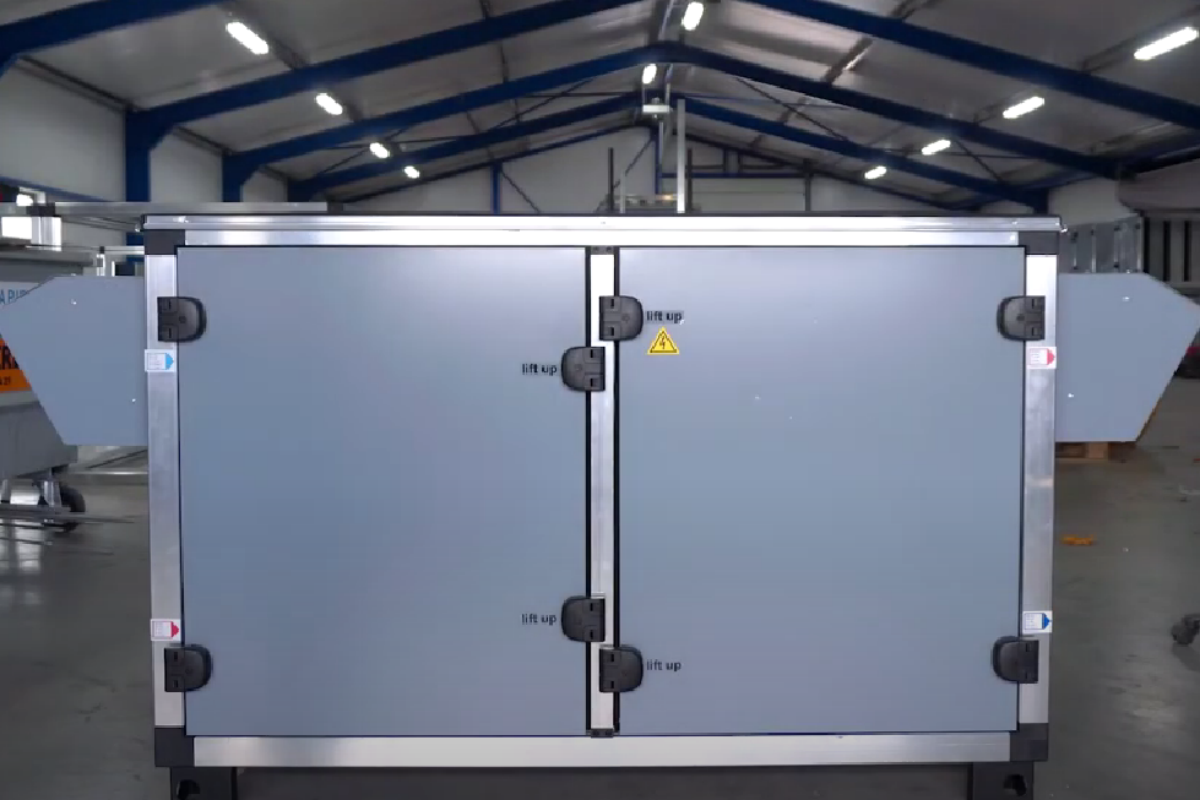
The requirement for a “customized pressure nozzle mold” in the case strongly implies a need for highly precise pressure control, which MODBUS-enabled pressure sensors within Air Handling Units (AHUs) can effectively facilitate.
The utility of MODBUS extends beyond real-time monitoring and operational efficiency; it also provides critical data for implementing predictive maintenance strategies and continuous system optimization. By closely monitoring performance trends and deviations, potential issues can be proactively identified and addressed, eliminating them before they escalate into costly failures or operational disruptions. Therefore, MODBUS integration is not just an energy-saving tool, but also a powerful mechanism for reducing system downtime, minimizing unforeseen maintenance costs, and significantly improving overall operational reliability. This adds a critical value proposition for facility managers and operations teams concerned with long-term asset management.
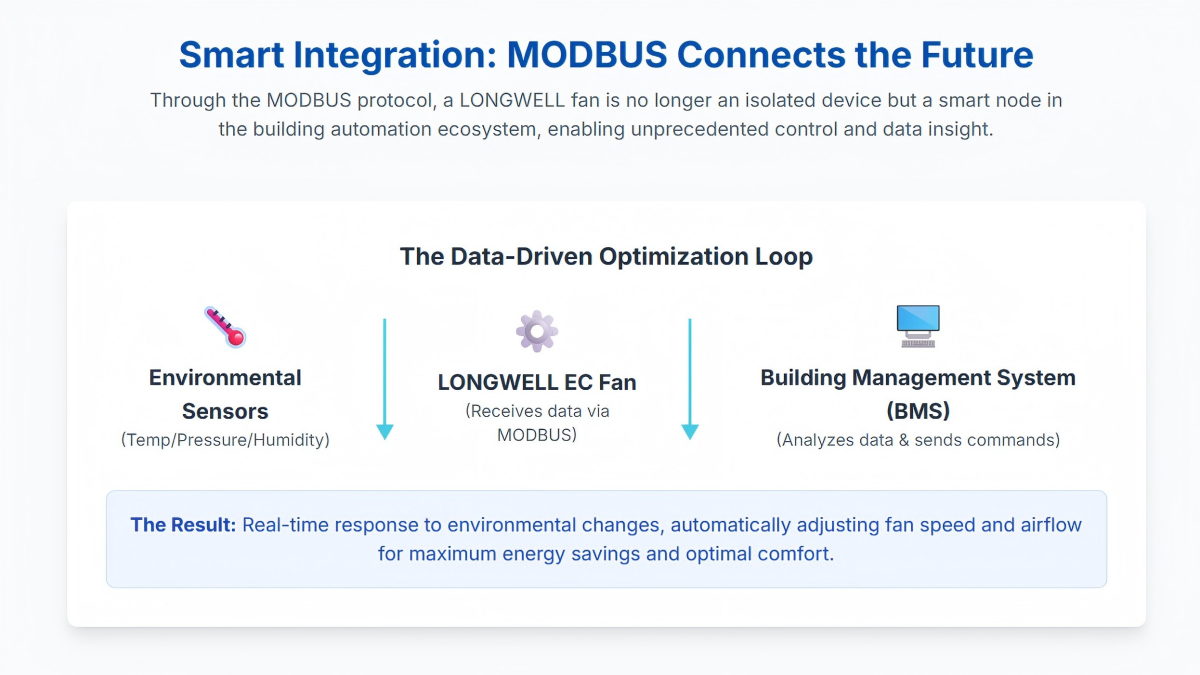
MODBUS can connect various building systems, including HVAC, lighting, security, and broader energy management equipment. This highlights that Longwell’s fans, through their MODBUS compatibility, transcend their role as standalone components. It becomes an active, interconnected node within a larger, holistic intelligent building ecosystem. This means Longwell’s solutions are not just isolated products, but indispensable intelligent components within a comprehensive smart building strategy. This positioning will strongly appeal to clients who are investing in or upgrading integrated building automation systems, seeking seamless interoperability and centralized control.
Beyond the Case: LONGWELL’s Areas of Excellence
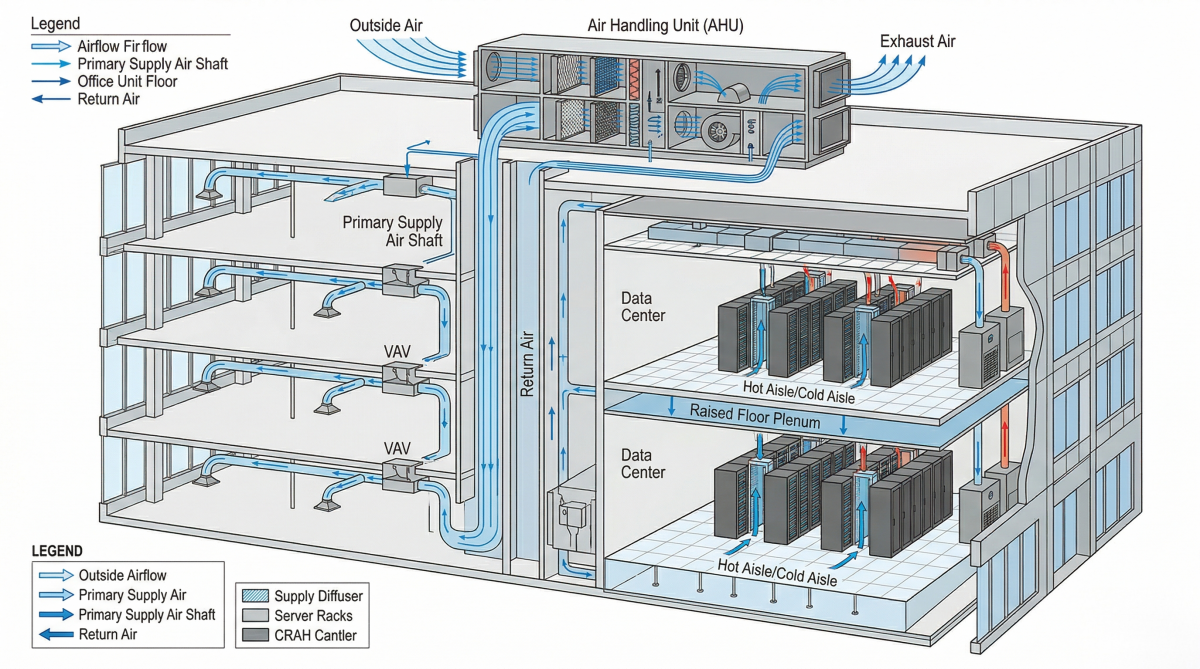
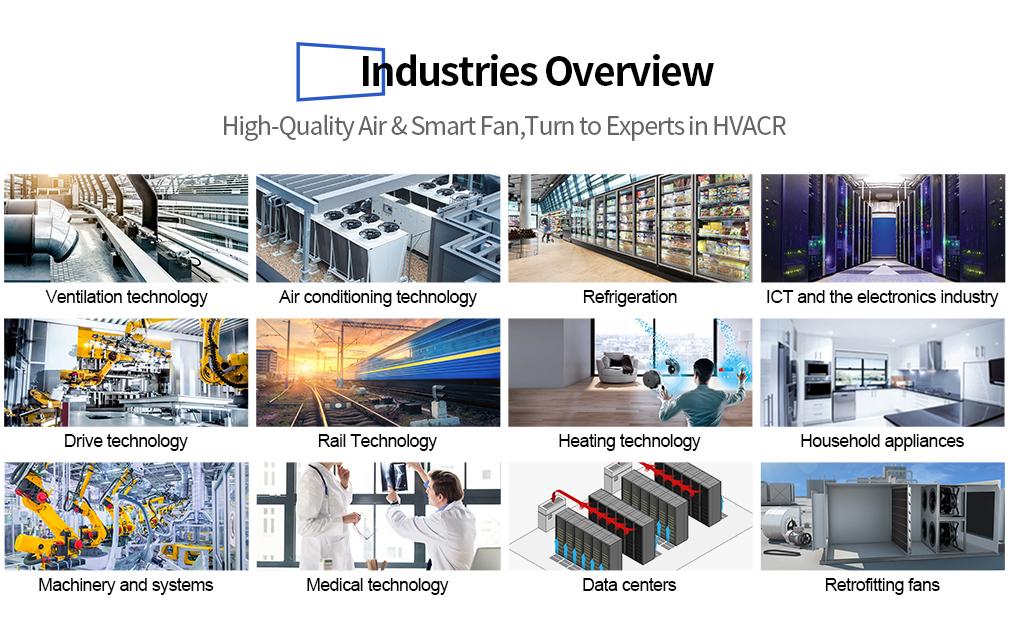
Longwell’s centrifugal fans have a wide range of applications, extending far beyond the specific “energy-efficient air treatment units for buildings” in the Dutch case. Longwell’s backward-curved centrifugal fans are designed for various critical applications, including comprehensive “HVAC systems,” demanding “industrial exhaust and filtration systems,” precision-critical “electronic cooling,” environmentally sensitive “cleanrooms and data centers,” and any “noise-sensitive offices and residences.” Notably, these fans are also commonly used as primary “blowers” or “fan” components in large “Air Handling Units (AHU).” This strategically demonstrates the broad applicability and inherent versatility of Longwell’s core technology. By showcasing its adaptability across numerous industries, the brand’s market reach and the transferability of its advantages are reinforced. Therefore, the success of the Dutch case is presented as a representative example.
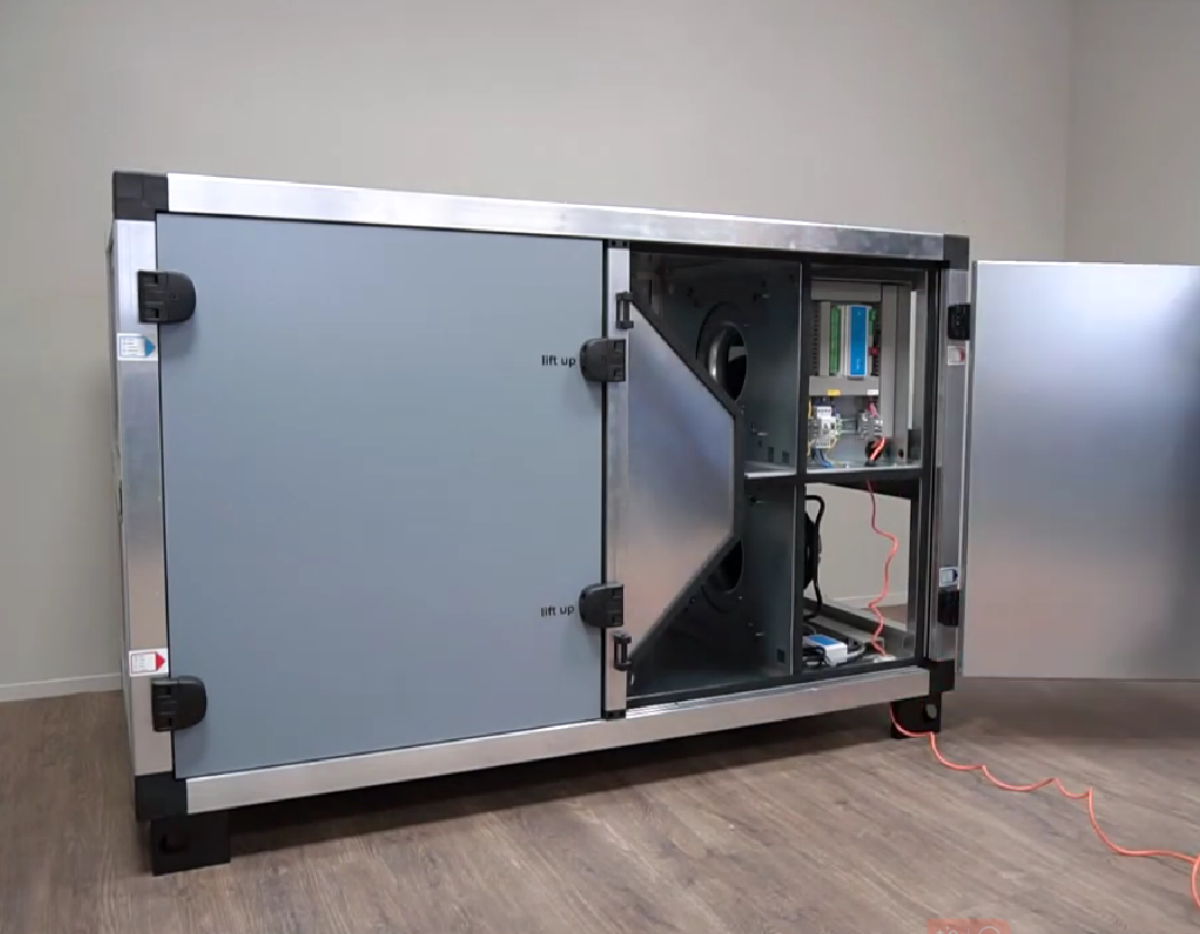
Longwell’s advanced solutions directly address and overcome common, persistent challenges across these diverse industries. This includes the critical need for “efficient airflow,” the ability to generate “higher static pressure,” the necessity of “reducing turbulence,” the requirement for “quiet operation,” and the assurance of “reliable performance in high-pressure applications.” Air Handling Units (AHUs) are crucial for regulating temperature, controlling humidity, providing essential ventilation, and meticulously filtering airborne contaminants. Longwell’s fans, as fundamental components within these units, directly contribute to achieving these critical functions while ensuring excellent energy efficiency and minimal noise levels.
While this case study specifically focuses on applications in “energy-efficient air treatment units for buildings,” a comprehensive review of relevant research materials reveals a broader range of applications for backward-curved centrifugal fans. These applications include, but are not limited to, industrial exhaust, cleanrooms, data centers, and electronic cooling. The significant discrepancy between the specific focus of the case study and the broader market potential indicates significant untapped opportunities for Longwell. Therefore, Longwell’s brand marketing strategy should explicitly target these diverse industrial and commercial sectors. This requires tailoring marketing messages to the unique needs and pain points of each segment (e.g., emphasizing “reduced dust accumulation for consistent air quality” for cleanroom applications). This proactive approach can significantly expand Longwell’s market footprint and revenue streams.
Why Choose LONGWELL? Your Air Movement Expert
Longwell Electric Technology Co., Ltd. is committed to excellence and offers unparalleled customized solutions, powerfully demonstrated in the Dutch project through the unique “customized pressure nozzle mold” requirement. This highlights Longwell’s advanced engineering capabilities and its proactive, problem-solving approach to client challenges. The inherent durability of Longwell’s product design directly translates into significantly reduced maintenance requirements and extended product lifespan. This ensures lower Total Cost of Ownership (TCO) for clients in the long run. Longwell’s products achieve significant and measurable energy savings (as confirmed by client’s direct feedback), contributing to greener, more sustainable building operations and a reduced overall carbon footprint. The seamless compatibility of Longwell products with modern building management systems via the MODBUS protocol enables intelligent, real-time control and data-driven optimization, which is crucial for smart building ecosystems.
By partnering with Longwell, potential clients can expect multi-faceted advantages:
· Reduced Operational Costs: Achieved through superior energy efficiency and minimized maintenance needs.
· Improved Indoor Air Quality and Comfort: Realized through effective air treatment solutions and exceptionally quiet fan operation.
· Future-Proof Solutions: Ensured by advanced intelligent integration capabilities, adapting to evolving building technologies.
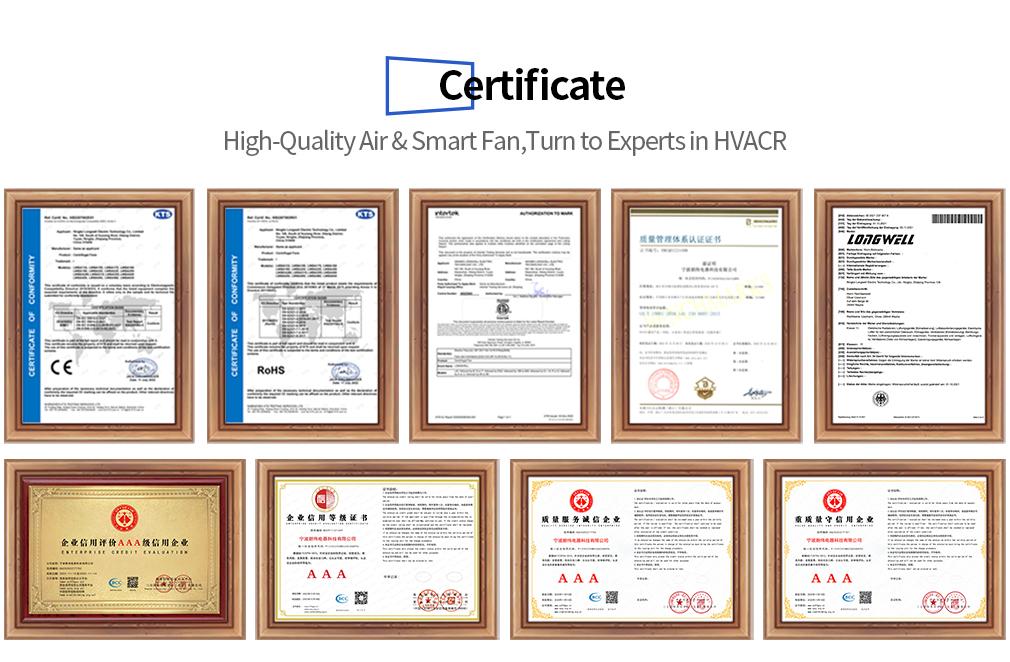
· Reliable Performance: Guaranteed by robust product design, strict quality control, and a proven track record of success.
Experience the LONGWELL Advantage
Ready to optimize your air treatment systems for peak performance and efficiency? Contact Longwell Electric Technology Co., Ltd. today for a personalized consultation tailored to your specific project needs. You can also visit our official website to explore our comprehensive range of high-efficiency centrifugal fans and advanced air treatment solutions. We welcome requests for detailed technical specifications or customized quotes for your next critical air movement project.