In-depth Analysis of Cross Flow Fan Technology: Why It Is the Ideal Cooling Solution for Dry-Type Transformers
Introduction
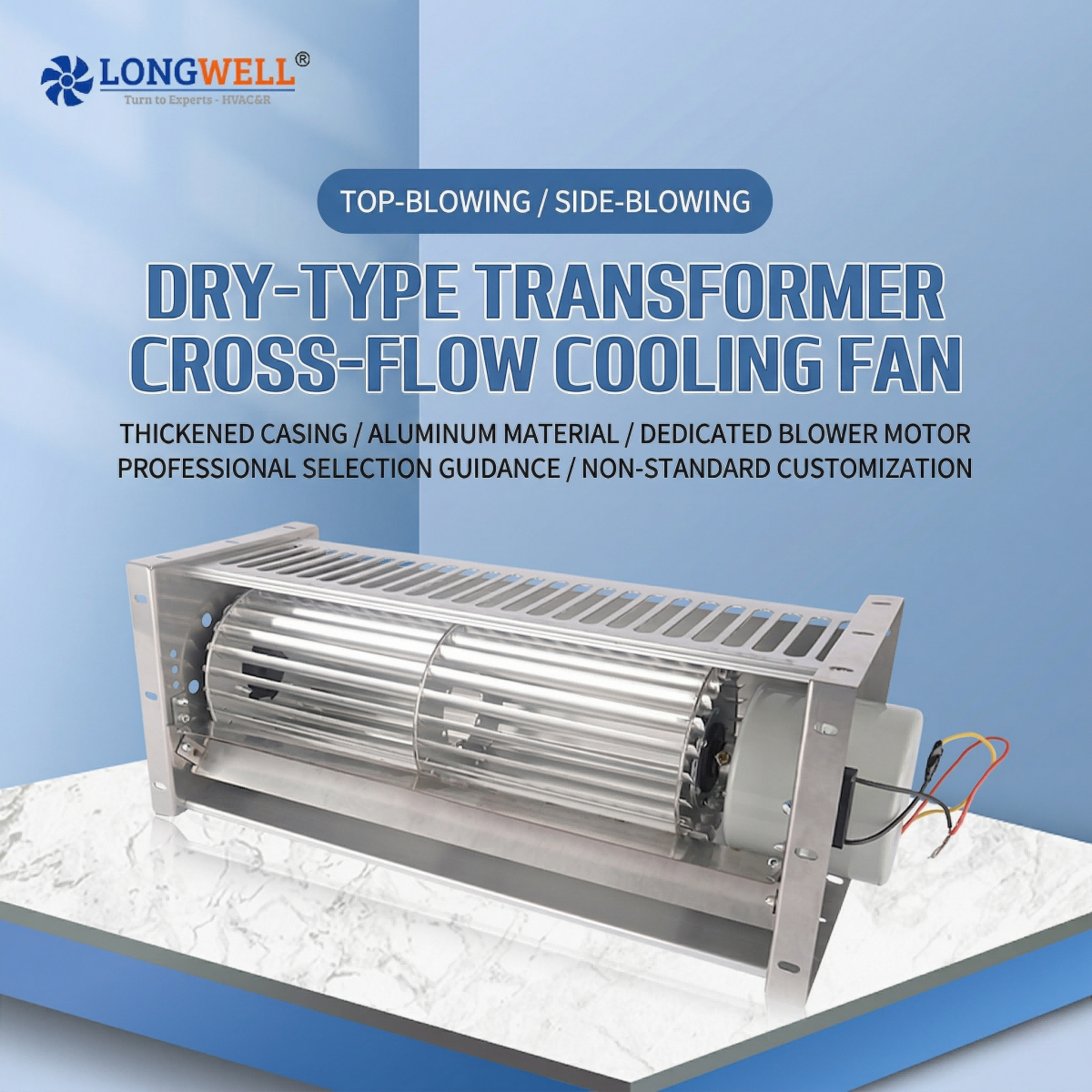
In the field of power equipment cooling, fan selection often determines the operating efficiency and service life of the equipment. In recent years, the Cross Flow Fan has shown significant advantages in dry-type transformer cooling applications due to its unique airflow characteristics. This article will deeply analyze the core features of cross flow fans from the perspective of technical principles.
I. Technical Principles of Cross Flow Fans
1. Airflow Movement Characteristics
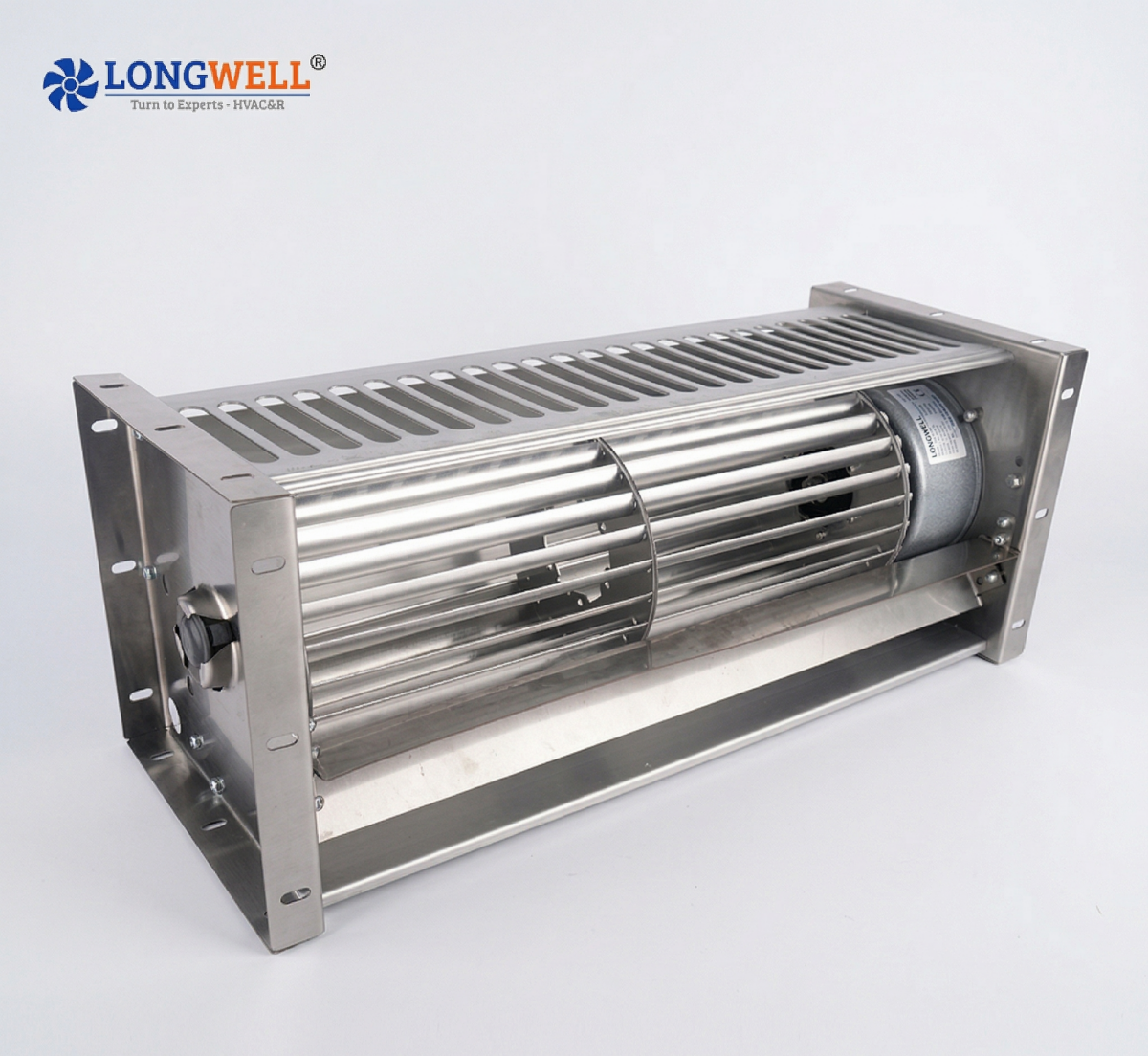
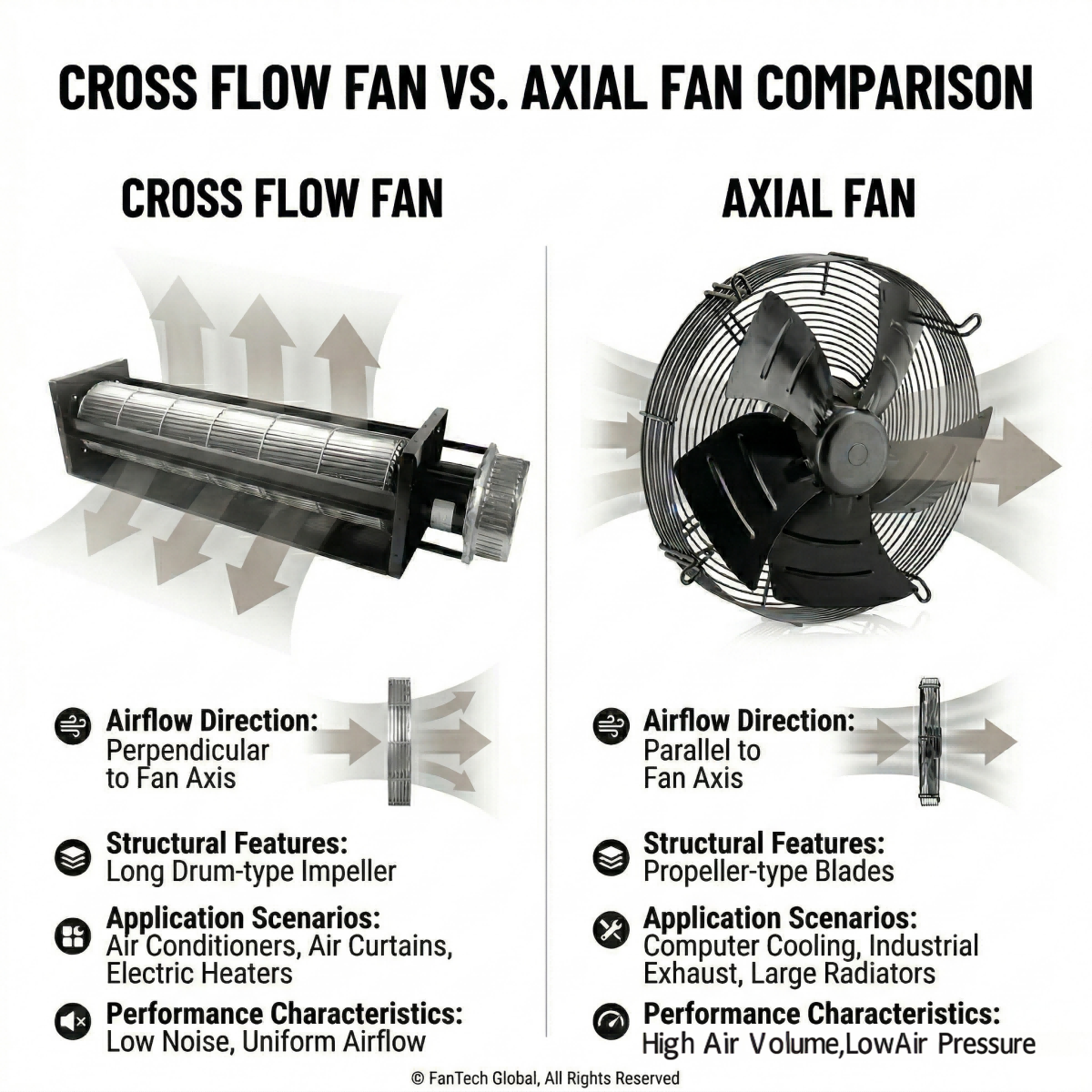
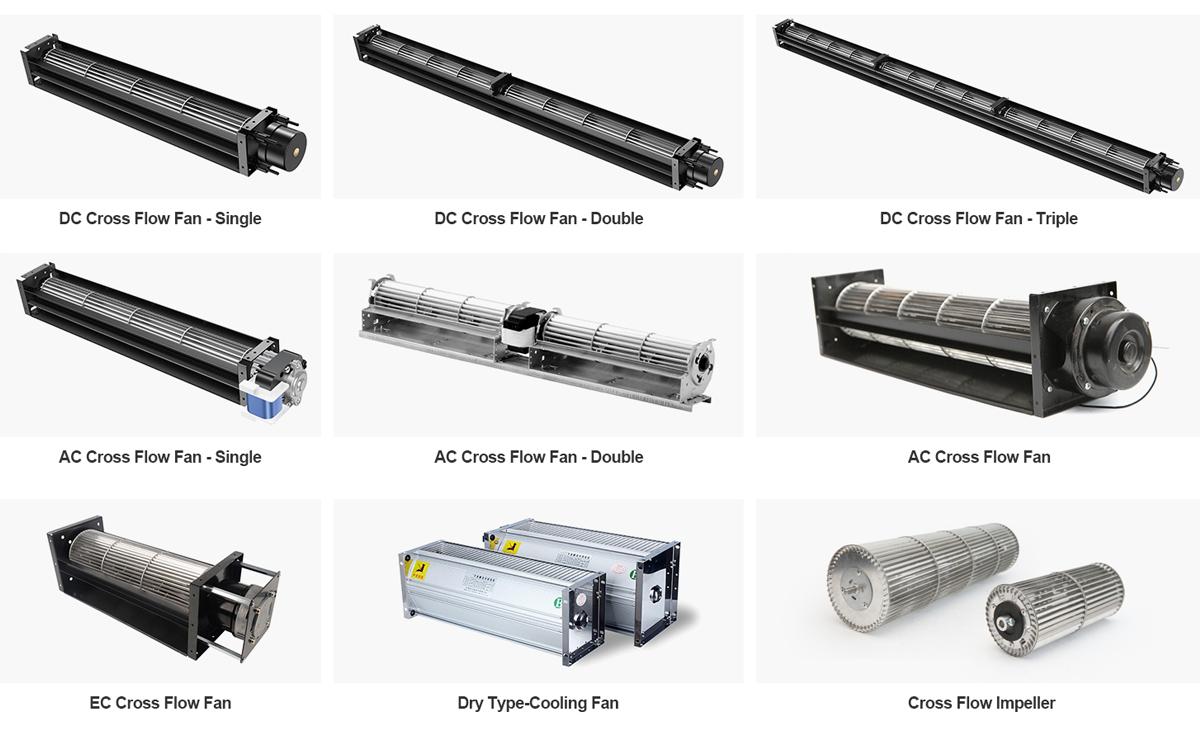
Cross flow fans feature an impeller-through design where air is drawn in from one side of the impeller, passes through the interior, and is discharged from the other side, forming a unique two-dimensional planar airflow. This airflow pattern contrasts sharply with traditional axial fans:
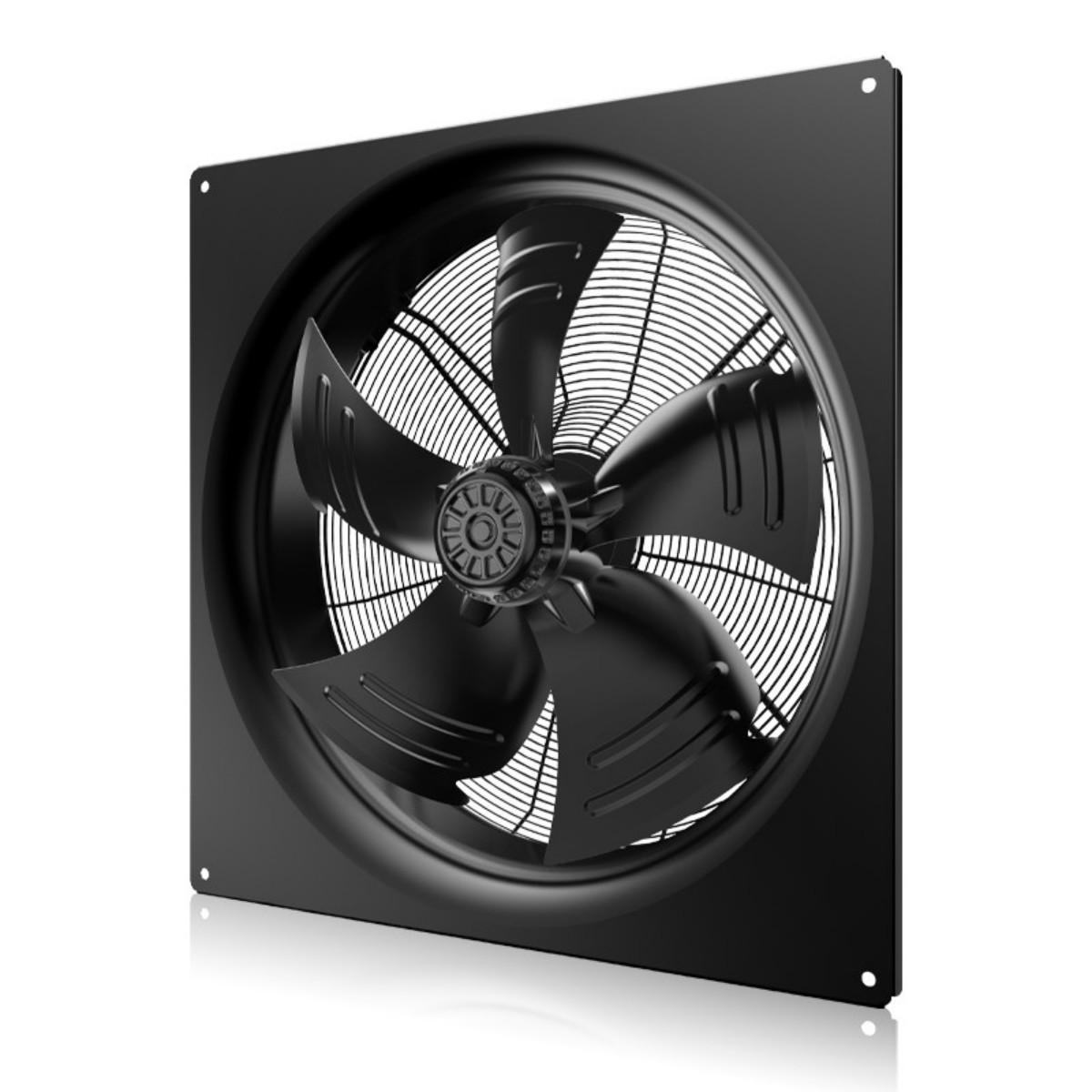
· Axial Fans: Airflow moves linearly along the axis, forming a columnar air stream.
· Cross Flow Fans: Airflow moves radially across the impeller, forming a wide planar airflow.
This difference has a major impact in practical applications. When cooling large-area equipment like transformers, the planar airflow of cross flow fans achieves a much more uniform heat exchange.
2. Key Parameters of Impeller Design
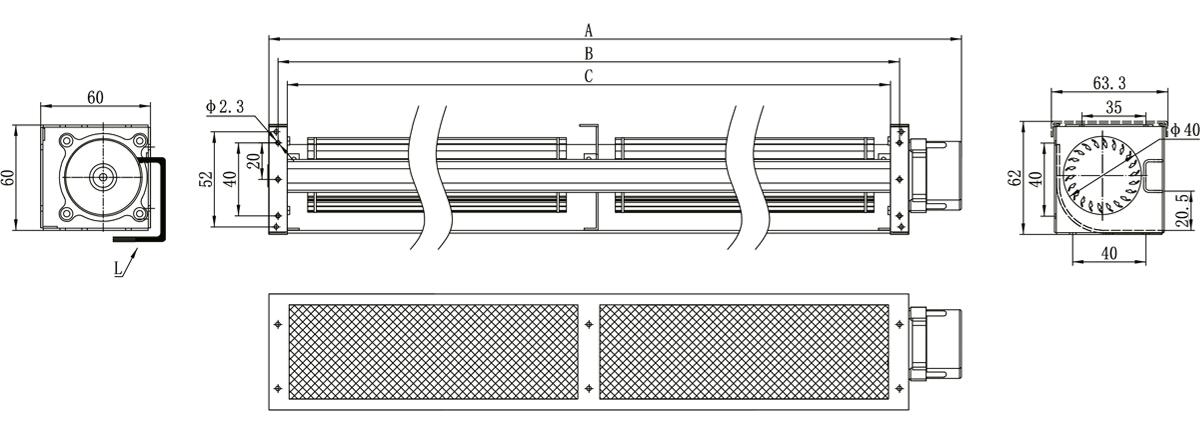
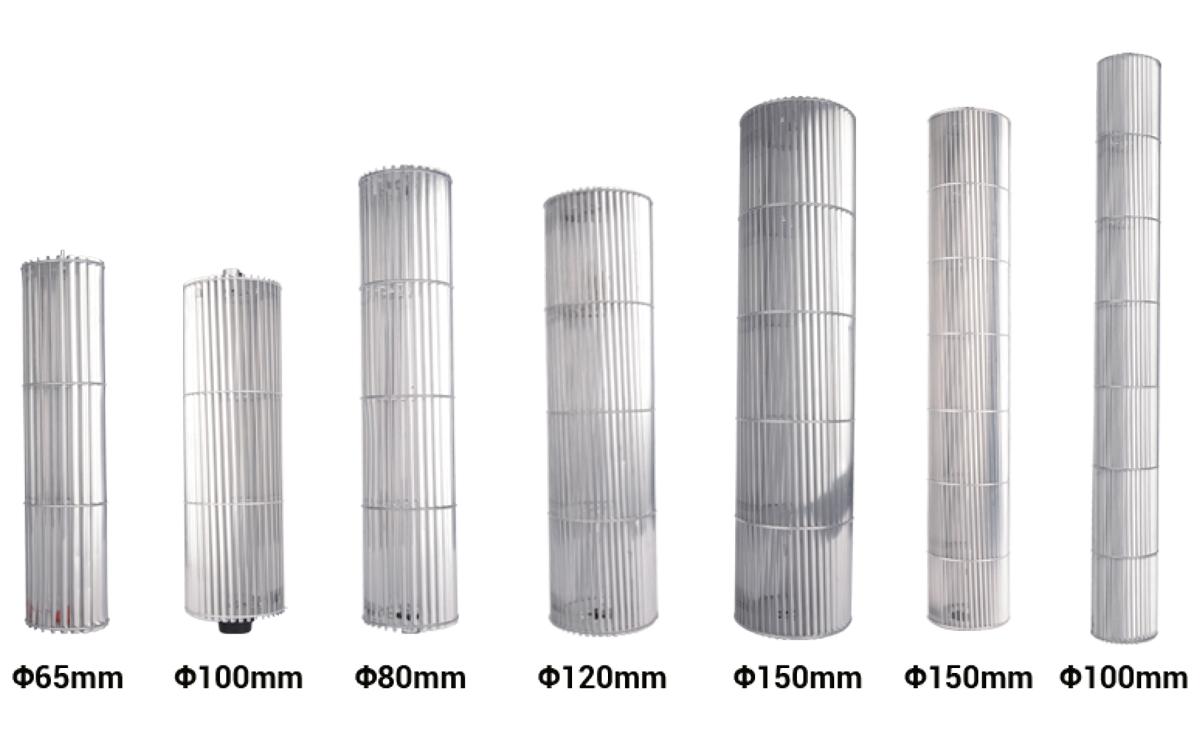
The performance of a cross flow fan is significantly affected by the impeller’s geometric parameters, mainly including:
· Impeller Diameter: Determines the range of air volume and air pressure.
· Blade Number and Angle: Affects airflow velocity and noise levels.
· Impeller Length: Determines the airflow coverage width.
💡 Case Reference: Taking LONGWELL products as an example, their impellers are optimized through CFD (Computational Fluid Dynamics) simulation, achieving the optimal balance between airflow efficiency and noise control.
II. Why Do Dry-Type Transformers Need Cross Flow Fans?
1. Requirement for Uniform Heat Dissipation
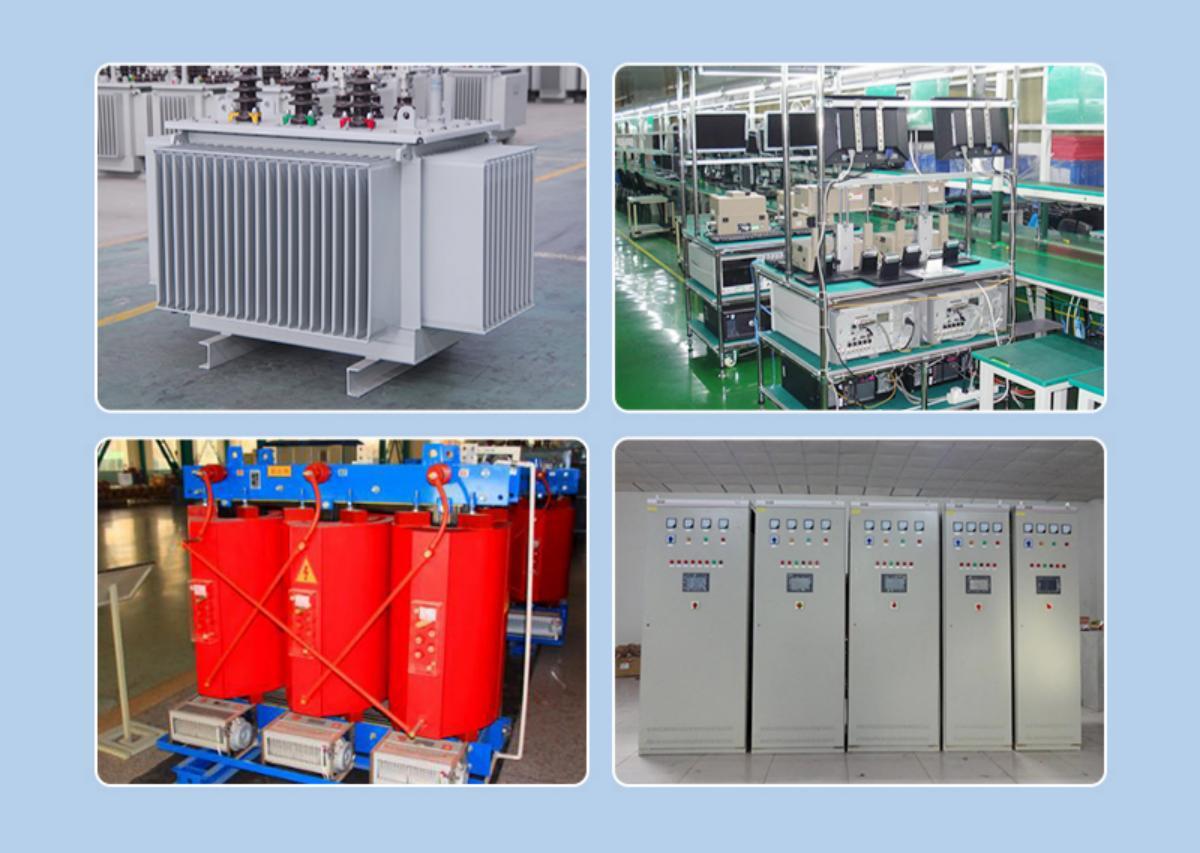
During the operation of dry-type transformers, the temperature distribution on the surface of the iron core and coils is uneven. Hot spots typically appear in the middle of the coils and at the top of the iron core pillars. The spot-cooling approach of traditional axial fans struggles to effectively cover these hot spot areas.
The wide airflow of cross flow fans can form an “air curtain” that covers the entire side surface of the transformer, achieving uniform heat dissipation. Actual test data shows that this cooling method can reduce the hot spot temperature of transformers by 8-12°C, significantly improving equipment reliability.
2. Coping with Space Constraints
Dry-type transformers are usually installed in relatively compact spaces with strict size limitations for cooling equipment. The flat structure of cross flow fans is naturally suited for such space-constrained environments:
✅ Can be installed on the side of the transformer without occupying additional vertical space.
✅ The airflow direction is parallel to the transformer surface, requiring no complex air guiding devices.
✅ Convenient maintenance and simple troubleshooting.
III. The Importance of Material Selection
1. Advantages of All-Aluminum Alloy Structure
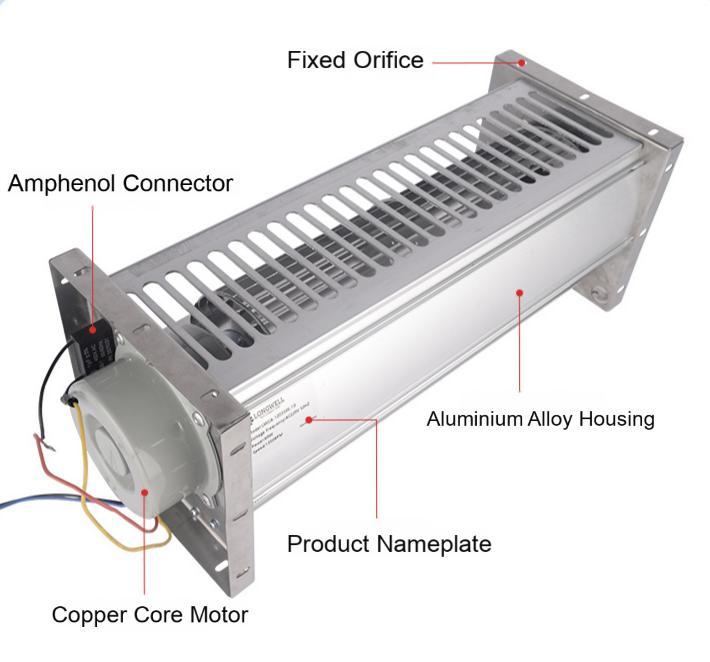
In transformer application environments, cooling equipment is exposed to high temperatures and potential chemical corrosion for long periods. Material selection directly affects equipment life. The application of an all-aluminum alloy structure in cross flow fans brings multiple advantages:
· Lightweight: The density of aluminum alloy is about 1/3 that of steel. This reduces equipment weight, eases the burden on mounting brackets, and lowers the motor load to improve energy efficiency.
· Thermal Conductivity: The thermal conductivity of aluminum alloy is much higher than that of steel. The impeller can actively dissipate heat during high-speed rotation, avoiding structural deformation caused by heat accumulation.
· Corrosion Resistance: The anodized aluminum alloy surface forms a dense oxide film, providing excellent corrosion resistance in industrial environments.
2. Structural Strength Considerations
The impeller of a cross flow fan is a long cylindrical structure that bears centrifugal force and airflow loads during high-speed rotation. The aluminum alloy materials used by LONGWELL undergo a special heat treatment, ensuring sufficient structural stiffness and fatigue resistance while maintaining a lightweight design.
IV. Motor and Transmission System Design
1. Selection of High-Efficiency Motors
The performance of a cross flow fan largely depends on motor quality. High-quality products typically feature:
· Class F Insulation (temperature resistance up to 155°C) or higher.
· High-quality bearings (e.g., NSK, SKF brands).
· Built-in thermal protection devices.
· Low-noise design (the inherent noise of high-quality motors can be kept below 50dB).
2. Transmission Methods
Common transmission methods for cross flow fans include direct drive and belt drive. Direct drive features a simple structure, high transmission efficiency, and low maintenance, making it the mainstream choice for transformer cooling applications today.
V. Noise Control Technology
1. Noise Source Analysis
Cross flow fan noise mainly comes from three sources:
1. Aerodynamic Noise: Broadband noise generated by the interaction between airflow and blades.
2. Mechanical Noise: Noise generated by bearing operation and motor vibration.
3. Structural Noise: Resonance caused by airflow reflecting off the inner walls of the casing.
2. Noise Reduction Design Strategies
Modern cross flow fans achieve noise control through multi-dimensional design:
· Impeller Optimization: Adopting unequal pitch blade layouts to disrupt periodic noise; sawtooth designs on the leading edge of blades to reduce airflow separation noise.
·Flow Channel Optimization: Volute profiles are optimized via CFD to avoid sudden airflow changes; streamlined designs are applied to air inlets and outlets.
·Vibration Damping Design: Adding damping pads between the motor and casing; selecting low-noise bearings; using elastic components at key connection points.
Through systematic optimization, products can keep noise below 65dB(A) while maintaining highly efficient heat dissipation, perfectly meeting the noise requirements of most industrial environments.
VI. Environmental Adaptability Design
1. Temperature Adaptability
Dry-type transformers may be installed in various environments such as outdoor substations, basements, and industrial plants. Cross flow fans need to adapt to a temperature range of -25°C to +60°C. This requires:
·Selecting wide-temperature range lubricating grease.
·Motor insulation classes that meet high-temperature requirements.
·Matching coefficients of thermal expansion for materials to prevent structural failure under extreme temperatures.
2. Ingress Protection (IP Rating)
Depending on the installation environment, cross flow fans need to provide different protection levels. An IP54 rating satisfies most indoor environment requirements, while outdoor or harsh environments may require an upgrade to IP55 or even IP56.
VII. Energy Efficiency and Economic Analysis
1. Energy Efficiency Considerations
The energy efficiency of cross flow fans is reflected not only in motor efficiency but, more importantly, in the efficiency of the entire cooling system. A properly designed cross flow fan system can achieve the same cooling effect with less power consumption.
Taking a specific dry-type transformer model as an example:
·Original configuration (axial fan) total power: 800W
·Optimized configuration (cross flow fan) total power: 600W
·Performance Feedback: Cooling effect improved by 15%
·Annual Energy Savings Calculation: (800W – 600W) × 24 hours × 365 days = 1752 kWh
2. Life Cycle Cost (LCC)
Equipment selection should not solely focus on the initial procurement cost. The Life Cycle Cost should comprehensively include:
Procurement Cost + Installation & Commissioning Cost + Operational Electricity Cost + Maintenance Cost + Downtime Loss
Cross flow fans have a relatively simple structure, fewer failure points, and long maintenance cycles, presenting significant economic advantages from a life-cycle perspective.
VIII. Selection Recommendations
1. Confirming Key Parameters
Before selecting a fan, the following points must be clarified:
·Transformer Capacity & Loss: Determines the required cooling power.
·Installation Space Dimensions: Determines fan size constraints.
·Environmental Conditions: Temperature, humidity, dust, corrosivity, etc.
·Noise Requirements: Affects the choice of noise reduction measures and the fan model.
·Power Supply Conditions: Voltage, frequency, and power supply reliability.
2. Performance Curve Matching
Each cross flow fan has a specific performance curve (airflow-pressure relationship). When selecting, it is crucial to ensure the actual operating point is located in the high-efficiency zone, avoiding over-sizing or under-sizing that leads to wasted energy or insufficient cooling.
3. Brand and Service Considerations
Choosing a supplier with strong technical capabilities can provide you with:
·Detailed technical specifications and performance data.
·A comprehensive after-sales service system.
·Customized design capabilities.
·Rich application experience and professional technical support.
Conclusion
With their unique airflow characteristics, compact structural design, and excellent uniform heat dissipation, cross flow fans have become the ideal choice for dry-type transformer cooling. During selection, multiple factors such as technical performance, environmental adaptability, and economy should be comprehensively considered to choose a reliable brand supplier.
LONGWELL, as a professional cross flow fan manufacturer, has accumulated rich experience in the field of transformer cooling and can provide comprehensive technical support and customized solutions. Welcome to visit www.longwellfans.com for more product information.