Engineering HVAC Fan Efficiency: A Technical Guide to System Design and Selection
When facility management teams audit their operational expenditure (OPEX), the instinct is often to scrutinize chillers or invest heavily in complex Building Management Systems (BMS). Yet, the most persistent energy drain in a commercial HVAC architecture is frequently hiding in plain sight: the fans responsible for continuous air circulation.
The feedback received by the LONGWELL sales team from numerous customer interactions in recent times, a clear consensus emerged. In an era dominated by strict environmental regulations like the ErP directives, simply sourcing a fan with a “high-efficiency” sticker is no longer enough. True energy breakthroughs require a deep integration of advanced motor technology and rigorous, system-level aerodynamic design.
The Engineering Shift: Migrating to EC Technology
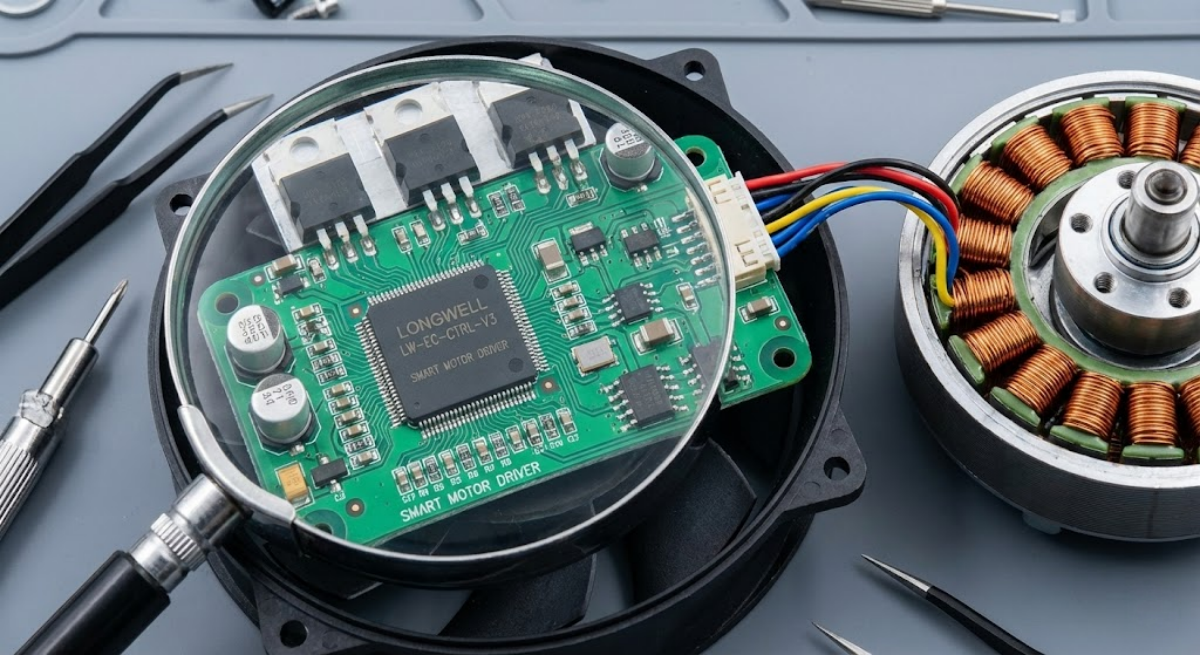
Constrained by inherent mechanical friction and rotor magnetic losses, traditional alternating current (AC) motors have largely reached their physical limits regarding efficiency. Today, the industry standard for high-performance systems has definitively shifted to Electronically Commutated (EC) technology.
An EC fan utilizes a brushless DC motor framework with an integrated intelligent control board. However, its most critical engineering value isn’t just a higher peak efficiency—it is its exceptional capacity for stepless speed control.
If we look at the Fan Affinity Laws (specifically, that power consumption is proportional to the cube of the shaft speed), the math becomes highly compelling. Reducing a system’s airflow demand by just 20% can yield a near 50% drop in power consumption. While traditional AC motors suffer severe efficiency drops and acoustic resonance when throttled down, EC fans maintain motor efficiencies upward of 90% even under significant partial loads. This enables genuine, demand-driven ventilation.
Core Best Practices for HVAC System Design
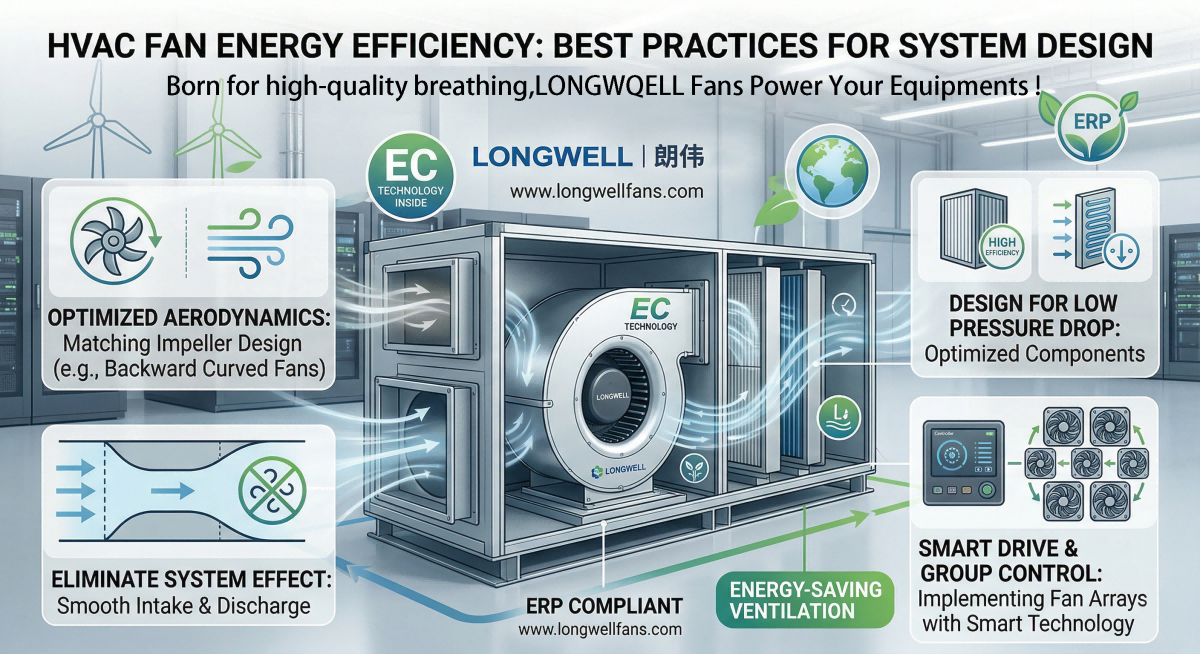
Deploying a state-of-the-art EC motor inside a poorly engineered duct network will rapidly cannibalize its aerodynamic performance. To push system efficiency to its absolute limit, engineers must adhere to several non-negotiable design principles:
1. Match Aerodynamic Topology to the Application
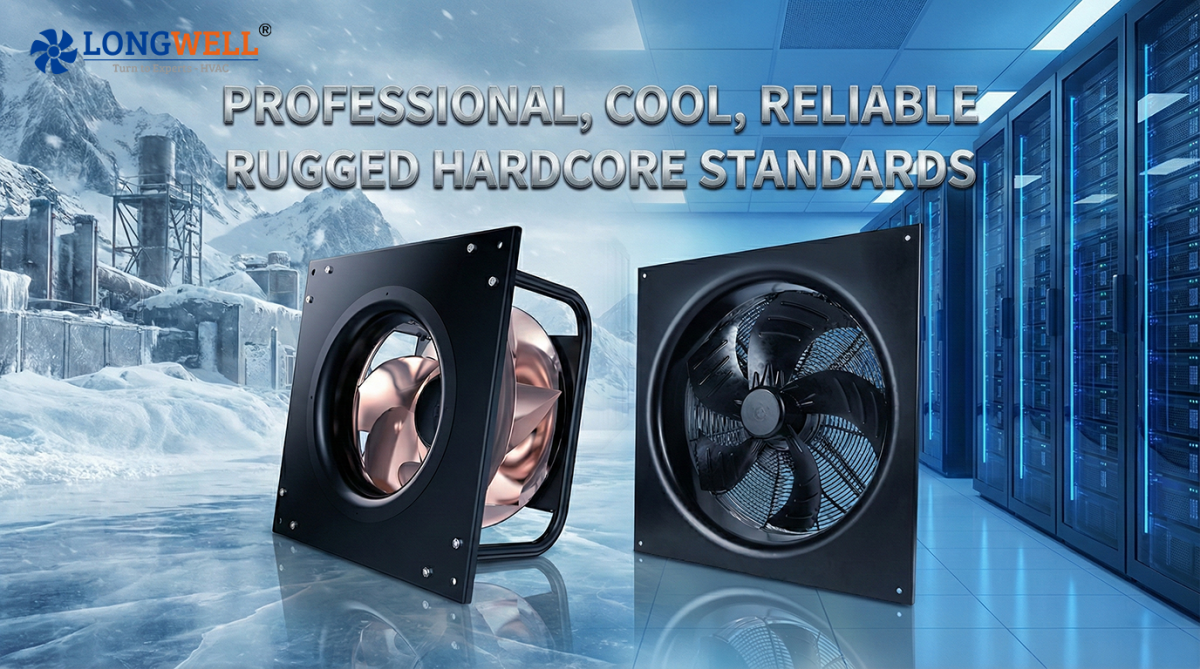
The geometric design of the impeller dictates its ability to overcome system resistance. For HVAC applications requiring substantial static pressure—such as Air Handling Units (AHUs) or precision cooling—backward curved centrifugal fans offer an overwhelming aerodynamic advantage. The backward-swept blade design allows air to glide smoothly through the impeller channels, actively suppressing boundary layer separation and turbulence. Consequently, the motor draws significantly less shaft power to move the identical volume of air.
2. Mitigate the “System Effect”
The “system effect” is the primary reason fans frequently fail to meet their laboratory-rated performance metrics once installed on-site. This phenomenon is triggered by severe airflow turbulence, usually stemming from compromised inlet or discharge duct arrangements. To preserve static pressure efficiency, engineers must avoid placing 90-degree elbows directly at the fan discharge. Providing adequate straight duct runs upstream and downstream, alongside the strategic use of turning vanes, encourages laminar flow and slashes dynamic pressure losses.
3. Design for Minimal Pressure Drop
Every filter bank, cooling coil, and damper in a duct network represents static resistance. The higher the resistance, the harder the fan must work, driving up power consumption exponentially. During the initial design phase, specify high-efficiency filters with a lower initial pressure drop, and calculate duct cross-sections generously to maintain low air velocities. Lowering air velocity not only mitigates frictional resistance but drastically improves the system’s acoustic profile.
4. Implement Smart Fan Arrays
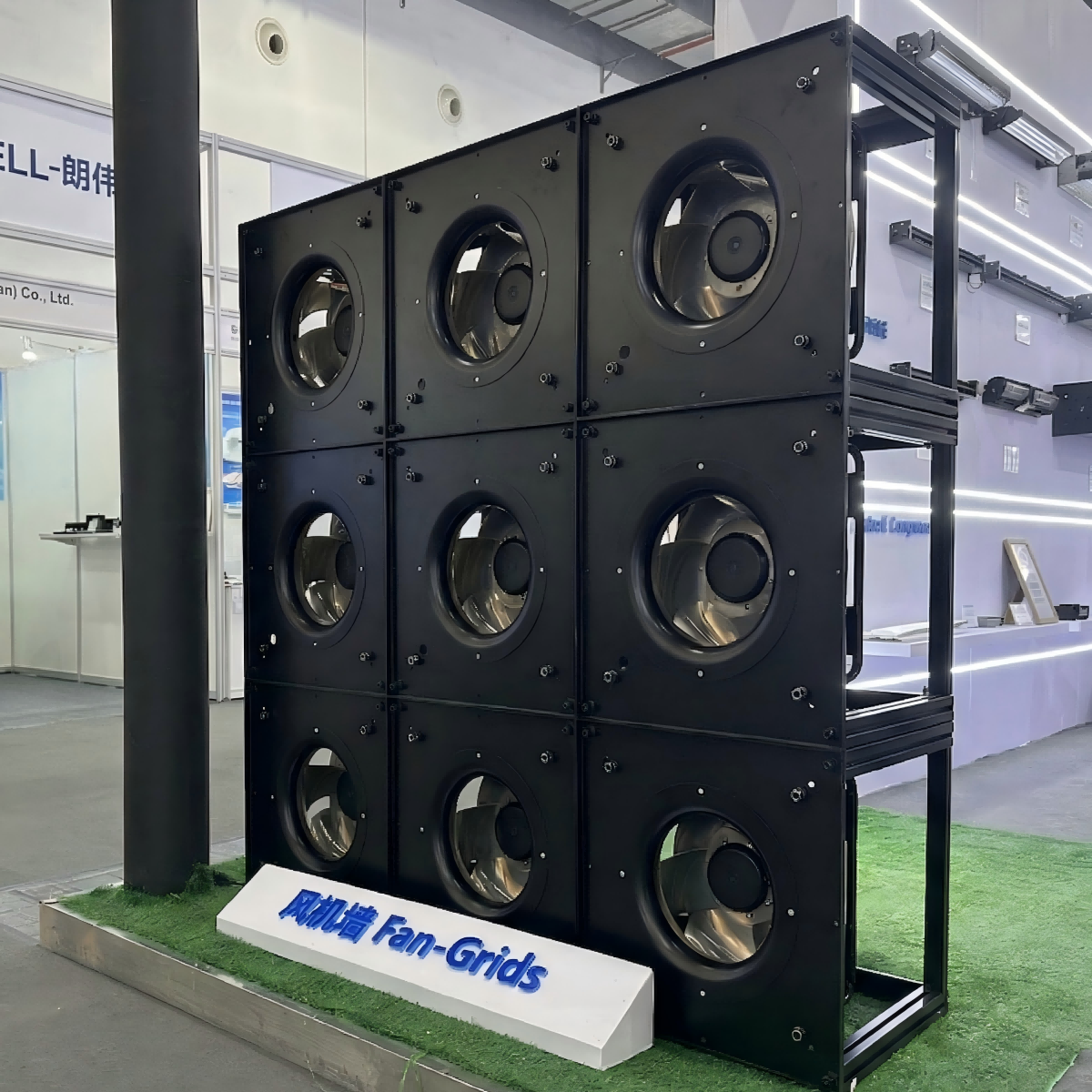
For large-scale commercial ventilation, relying on a single massive fan is an outdated approach. Designing a “Fan Array”—multiple smaller, parallel-running EC fans—provides unmatched scalability. When paired with smart group control logic, these arrays can dynamically adjust their operating frequencies during partial load conditions. This setup guarantees that the system always operates within its optimal efficiency curve while providing built-in N+1 redundancy.
The LONGWELL Approach to Energy-Saving Ventilation
At Ningbo Longwell Electric Technology Co., Ltd., we approach ventilation not just as component manufacturers, but as fluid dynamics problem solvers. We understand the precise bottlenecks contractors face in the field, which is why we engineer our solutions to fuse advanced motor control with precise aerodynamic modeling.
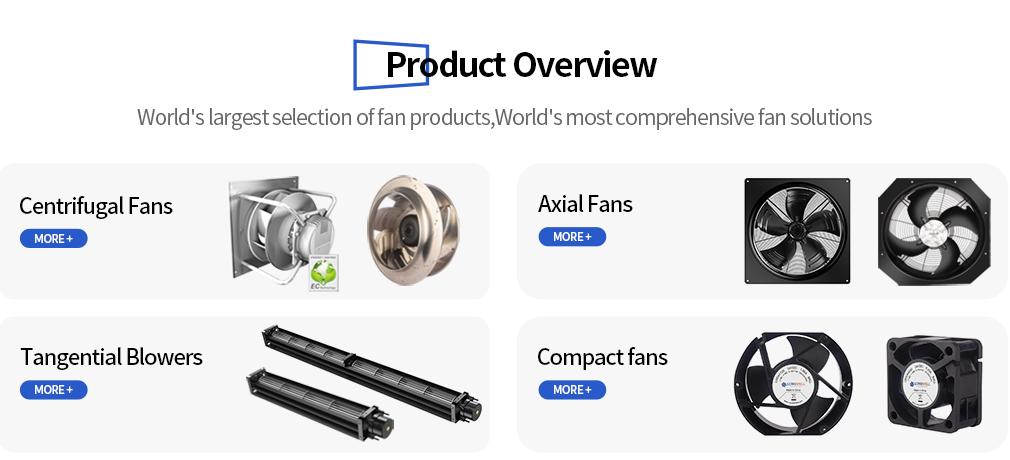
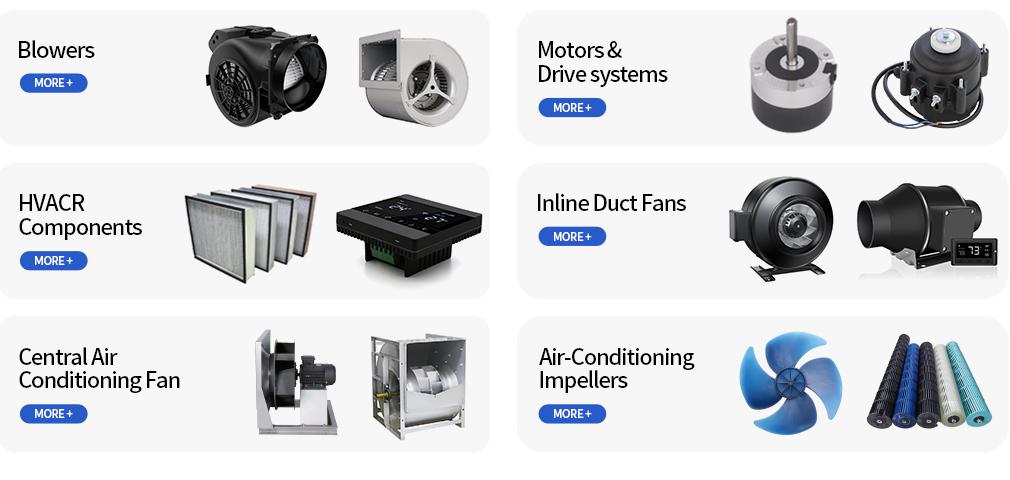
Our series of DC/EC Backward Curved Centrifugal Fans and EC Cross Flow Fans are purpose-built to meet the aggressive efficiency demands of modern HVAC infrastructure. By leveraging our proprietary closed-loop smart drive technology, LONGWELL EC fans consistently achieve up to 50% overall energy savings compared to legacy AC setups.
Because the resulting drop in electrical consumption is so immediate, the capital expenditure (CAPEX) for a LONGWELL upgrade is typically recovered within months. In fact, following the rush of our recent March promotional period, a significant number of our returning B2B clients have already initiated facility-wide retrofits to lock in these OPEX reductions for the coming year.
Moving Forward
Engineering a truly high-efficiency HVAC system is a complex convergence of motor science, aerodynamics, and intelligent control. By fully adopting EC technology and strictly enforcing aerodynamic design codes, facilities can drastically cut their carbon footprint while securing substantial economic returns.
Ready to audit your current system or specify components for your next project? Visit the LONGWELL official website at [www.longwellfans.com] to explore our technical data sheets, or consult directly with our application engineers for a customized energy-efficiency evaluation.