EC Fan Technology Explained: How EC Fans Work, Benefits, and How to Choose the Right One
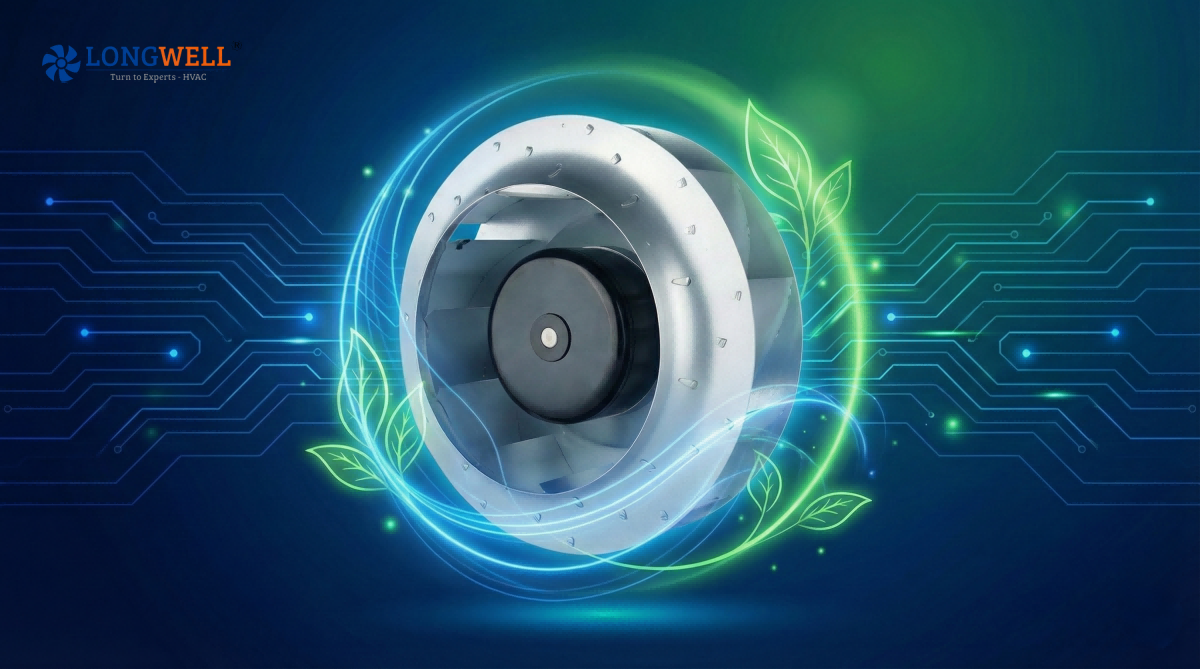
EC fan technology is increasingly used in modern ventilation, HVAC, and cooling systems due to its high energy efficiency, precise control, and long service life. This guide explains what an EC fan is, how it works, how it compares with AC fans, and how to choose the right EC fan for your application.
What Is an EC Fan?
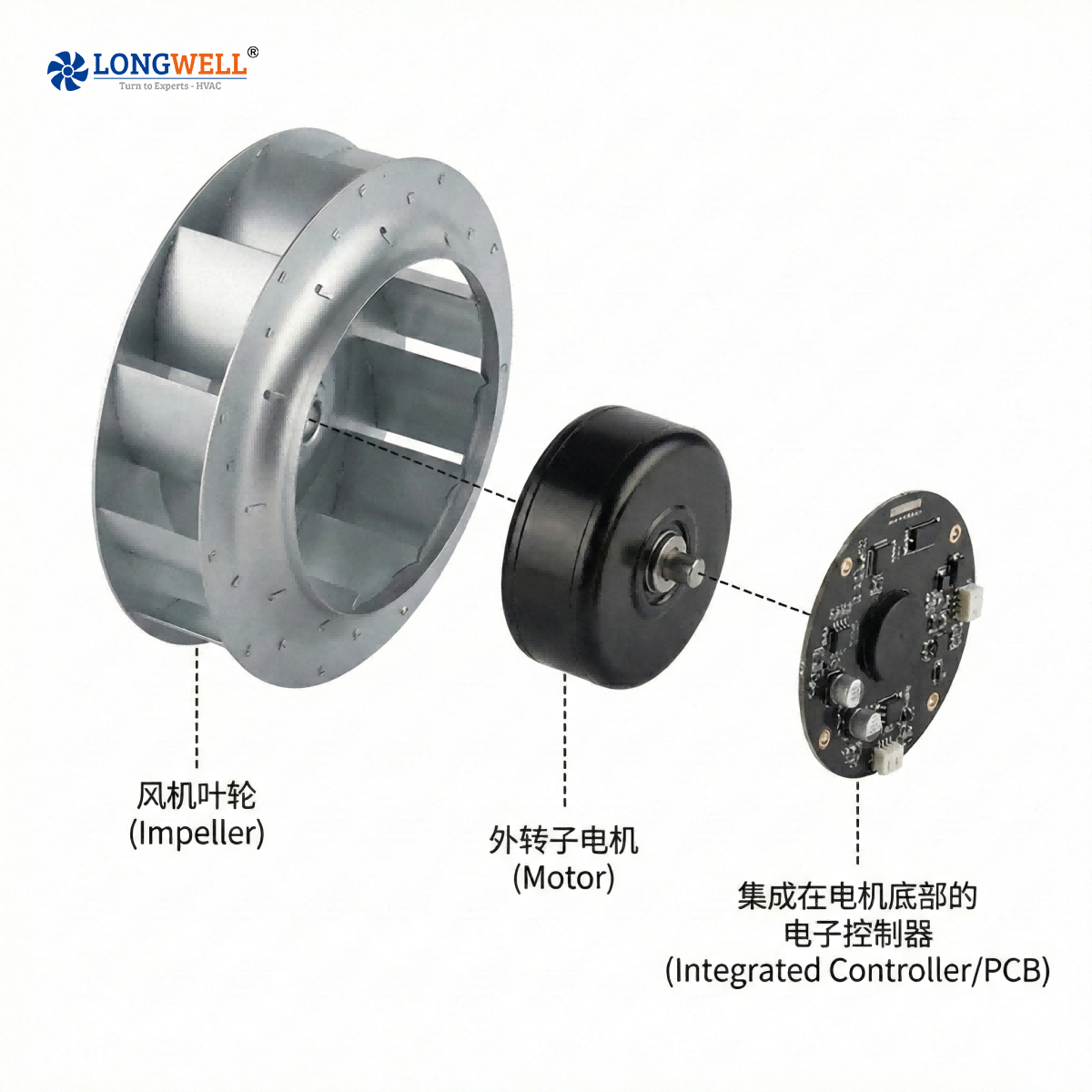
An EC fan, short for Electronically Commutated fan, is a fan powered by an EC motor that combines AC power input, electronic control, and DC motor efficiency into a single integrated system.
Unlike traditional AC fans, an EC fan integrates:
- A high-efficiency brushless DC motor
- An integrated electronic controller
- A fan impeller optimized for airflow and static pressure
This integrated design enables EC fans to deliver higher efficiency, lower noise, and precise speed control, making them ideal for energy-sensitive and performance-critical applications.
What Does “EC” Mean in EC Fan Technology?
“EC” stands for Electronically Commutated.
Traditional AC motors rely on fixed electrical or mechanical commutation. In contrast, EC motors use electronic circuits to control current switching in the motor windings. This allows the motor to operate more efficiently and respond dynamically to changing load conditions.
As global energy regulations become stricter, EC fan technology has become a preferred solution for manufacturers and system designers aiming to improve efficiency and reduce operating costs.
How Does an EC Fan Work?
An EC fan operates through the following process:
- AC power is supplied to the fan
- The internal controller converts AC power to DC
- Electronic circuits manage motor commutation
- Fan speed adjusts precisely according to control signals
Most EC fans support multiple control options, including:
- 0–10V analog control
- PWM speed control
- MODBUS or other digital communication protocols
This flexibility allows EC fans to integrate easily into modern HVAC systems, building automation platforms, and smart ventilation solutions.
EC Fan vs AC Fan: What’s the Difference?
Choosing between an EC fan and an AC fan depends on efficiency requirements, control flexibility, and long-term operating cost.
|
Feature |
EC Fan |
AC Fan |
|---|---|---|
|
Energy Efficiency |
High |
Moderate |
|
Speed Control |
Precise & stepless |
Limited |
|
Noise Level |
Lower |
Higher |
|
Power Consumption |
Reduced |
Higher |
|
Maintenance |
Minimal |
More frequent |
|
Lifecycle Cost |
Lower |
Higher |
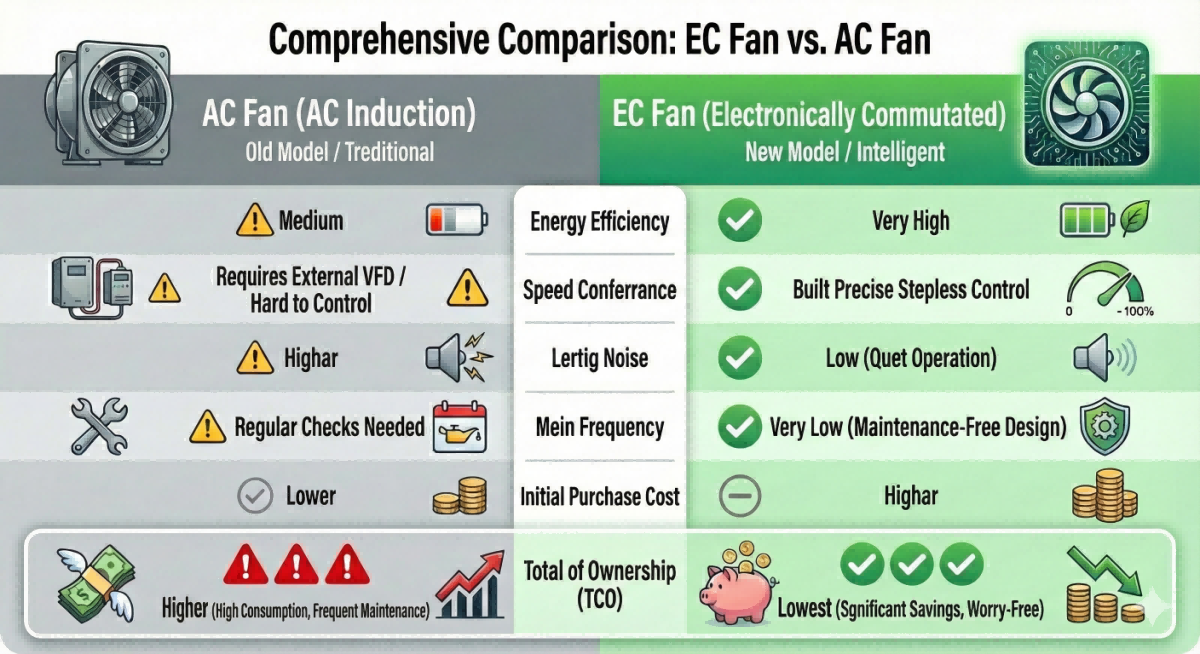
While AC fans are still suitable for basic ventilation, EC fans are increasingly selected for applications where energy savings, quiet operation, and intelligent airflow control are required.
Key Benefits of EC Fans
High Energy Efficiency
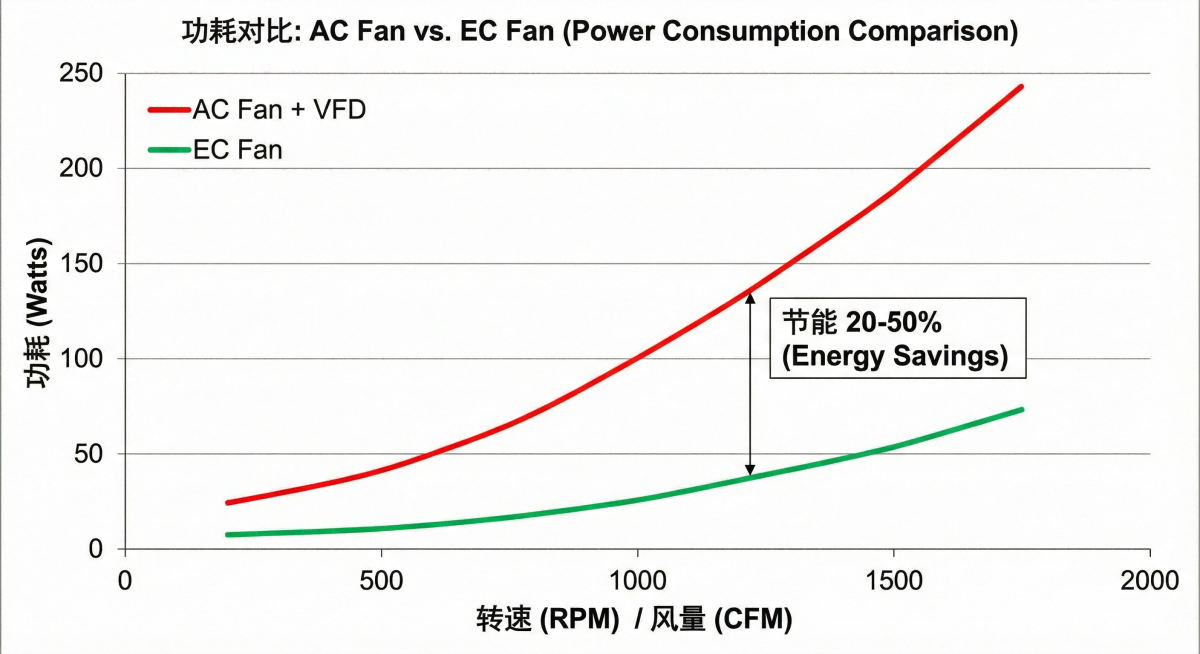
EC fans can reduce energy consumption by 20–50% compared with conventional AC fans, especially in variable-speed applications.
Precise Speed Control
Stepless speed regulation allows airflow to match actual system demand, improving overall system efficiency.
Lower Noise Levels
Smooth motor control and optimized fan design help minimize vibration and operating noise.
Longer Service Life
Lower heat generation and reduced mechanical stress extend motor lifespan and reduce maintenance requirements.
Compliance with Energy Regulations
EC fans support compliance with global energy efficiency standards such as ErP, DOE, and IEC requirements.
Typical Applications of EC Fans
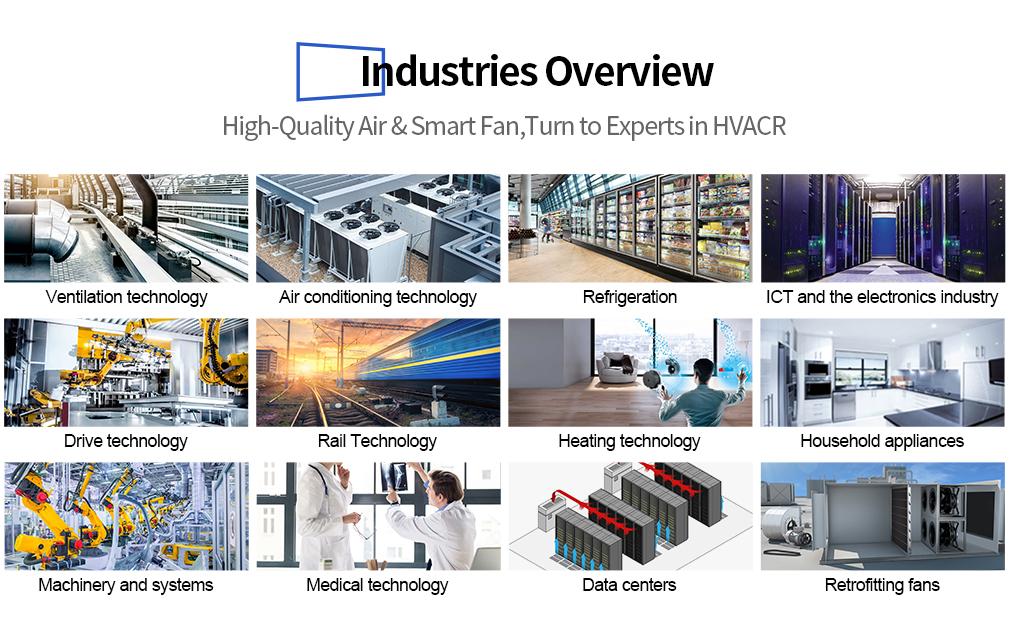
- HVAC air handling units (AHU)
- Heat recovery ventilation systems (HRV / ERV)
- Commercial and residential ventilation
- Air purifiers and air cleaning equipment
- Data center and server cooling
- Refrigeration and thermal management systems
Thanks to their adaptability, EC fans perform reliably in applications that require stable airflow under changing operating conditions.
How to Choose the Right EC Fan for Your Application
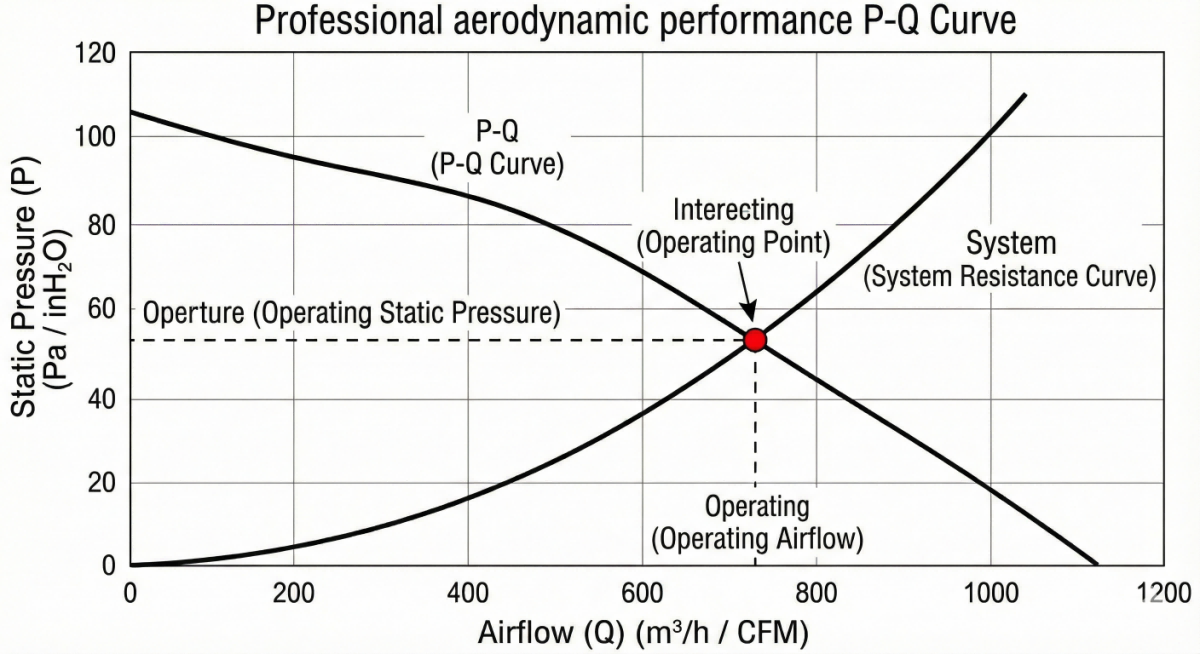
- Airflow and static pressure: Define system airflow requirements and resistance.
- Voltage and control: Confirm input voltage and preferred control method.
- Installation constraints: Consider size, mounting method, and airflow direction.
- Noise requirements: Optimize fan selection for low-noise environments.
- Total cost of ownership: Evaluate energy savings and long-term reliability.
Proper EC fan selection improves system performance and reduces operating costs over the product lifecycle.
Choosing an EC Fan Manufacturer
When sourcing EC fans for OEM or project-based applications, consider the following factors:
- Manufacturing stability and production capacity
- Customization and engineering support
- Compliance with international standards
- Experience in global supply and export markets

As an experienced EC fan manufacturer, LONGWELL provides customized EC fan solutions for HVAC, ventilation, and cooling applications worldwide, helping customers achieve reliable performance and optimized system efficiency.
Conclusion
EC fan technology represents a significant advancement in modern ventilation and cooling systems. By combining high efficiency, intelligent control, and long-term reliability, EC fans offer clear advantages over traditional AC fan solutions.
Understanding how EC fans work and how to select the right model enables engineers, system designers, and procurement professionals to build efficient, future-ready systems.
Frequently Asked Questions About EC Fans
What is an EC fan?
An EC fan is a fan powered by an electronically commutated motor that combines AC input power with DC motor efficiency and integrated electronic control. Compared with traditional AC fans, EC fans offer higher efficiency, more accurate speed control, and lower noise.
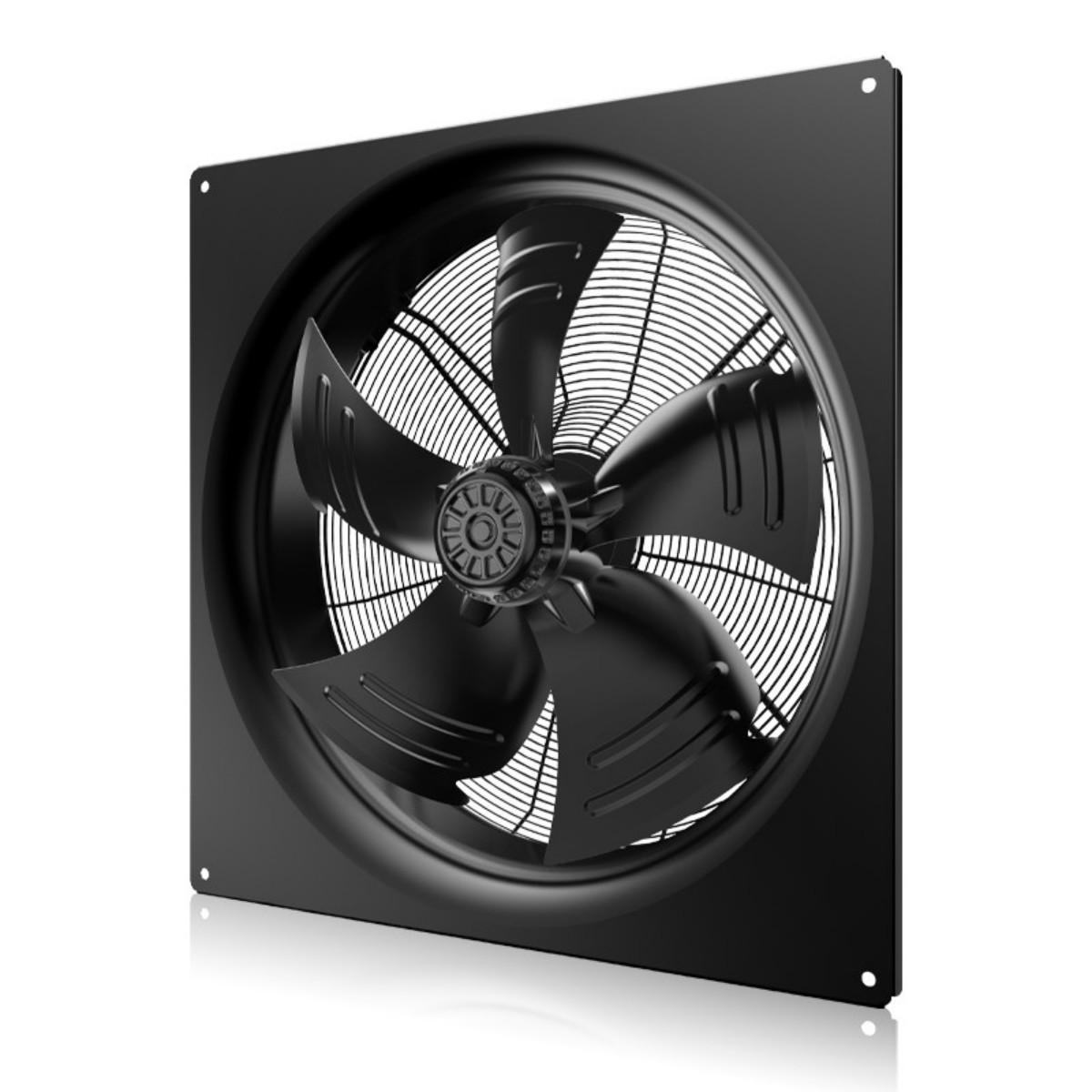
In practical applications, EC fans are commonly available as EC axial fans and EC centrifugal fans, allowing system designers to choose the best airflow and pressure solution for their project.
What is the difference between an EC fan and an AC fan?
The main difference lies in energy efficiency, controllability, and operating cost. EC fans support stepless speed control and adapt airflow to real system demand, while AC fans usually operate at fixed speeds with higher power consumption.
For HVAC and ventilation systems that run for long hours, EC fans can significantly reduce energy costs compared with AC fan solutions.
Are EC fans more energy efficient?
Yes. EC fans are typically 20–50% more energy efficient than conventional AC fans, especially in variable-speed applications.
This efficiency advantage is one reason EC centrifugal fans and EC axial fans are increasingly selected for air handling units, heat recovery systems, and commercial ventilation equipment.
Where are EC fans commonly used?
EC fans are widely used in HVAC systems, air handling units (AHU), heat recovery ventilation (HRV/ERV) systems, air purifiers, data centers, and refrigeration equipment.
Depending on airflow direction and pressure requirements, different EC fan types are used across these applications.
How do you control the speed of an EC fan?
EC fan speed can be controlled via 0–10V analog signals, PWM control, or digital communication protocols such as MODBUS.
This makes EC fans suitable for integration into building automation systems and smart ventilation solutions that require precise airflow regulation.
Are EC fans more expensive than AC fans?
The initial purchase cost of an EC fan is usually higher than that of an AC fan. However, EC fans offer lower energy consumption, reduced maintenance, and longer service life.
Over the full lifecycle of HVAC and ventilation systems, EC fan solutions often provide a lower total cost of ownership.