High Pressure Centrifugal Blowers for Material Handling Applications: A Comprehensive Engineering Guide
In the world of modern industrial manufacturing and bulk material processing, if the conveyor belts act as the skeleton of a facility, the pneumatic conveying systems are its circulatory system. Whether you are moving tons of grain into agricultural silos, exhausting heavy sawdust from a lumber mill, or continuously feeding plastic pellets into injection molding machines, the reliable, continuous transport of bulk materials requires serious pneumatic muscle.
Standard ventilation equipment simply collapses under these rigorous conditions. When your ductwork is filled not just with air, but with a high density of solid particulates, you enter the exclusive territory of high-pressure solutions. At Ningbo Longwell Electric Technology Co., Ltd. (LONGWELL), we understand that an unplanned shutdown in a material handling line means catastrophic production losses. That is exactly why we engineer a specialized lineup of heavy-duty Centrifugal Fans, designed from the ground up to provide relentless power in the harshest industrial environments.
The Physics of Pneumatic Conveying: Why High Pressure is Non-Negotiable
To understand the engineering behind these systems, we first need to look at the physics of moving solids through a pipe. Pushing solid particulates is fundamentally different from simply moving ambient air.
As solid materials travel through ductwork, they are subjected to gravity, friction against the pipe walls, and collisions with other particles. This creates a critical threshold known as the “saltation velocity.” If the air velocity and system pressure drop below this critical point, the material will fall out of the airstream and settle at the bottom of the duct.
Once material begins to settle, it creates a snowball effect. The effective diameter of the duct decreases, which exponentially increases system resistance. Within minutes, this can lead to a complete and costly pipeline blockage.
To prevent this nightmare scenario, a reliable Centrifugal Blower must be capable of generating and maintaining extreme static pressure. This high static pressure is the invisible force that overcomes the immense resistance created by long duct runs, multiple elbows, rotary valves, and cyclone separators, ensuring the air has enough kinetic energy to keep the material suspended from point A to point B.
Deep Dive: Selecting the Right Impeller Geometry for Your Material
In the universe of Centrifugal Fans, the design of the impeller (the spinning wheel of blades) dictates the machine’s DNA. Building an efficient, clog-free, and long-lasting material handling system relies entirely on matching the blade geometry to the specific bulk density, abrasiveness, and moisture content of your material.
Let’s break down the two primary centrifugal wheel designs used in industrial settings and where they belong in your process.
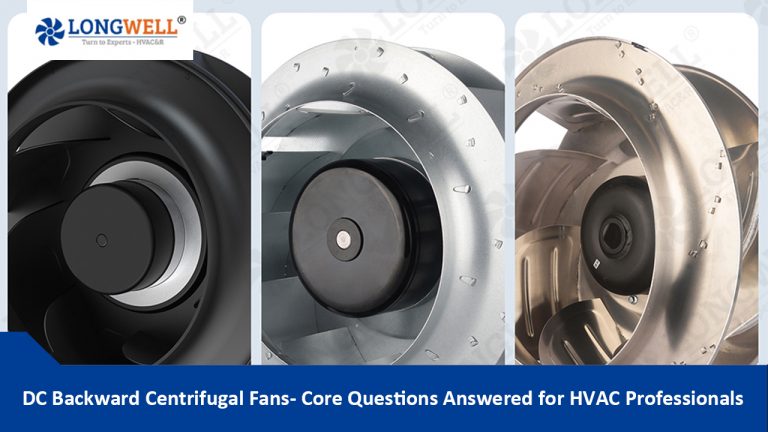
1. The Backward Curved Centrifugal Fan: The Heavy-Duty Workhorse
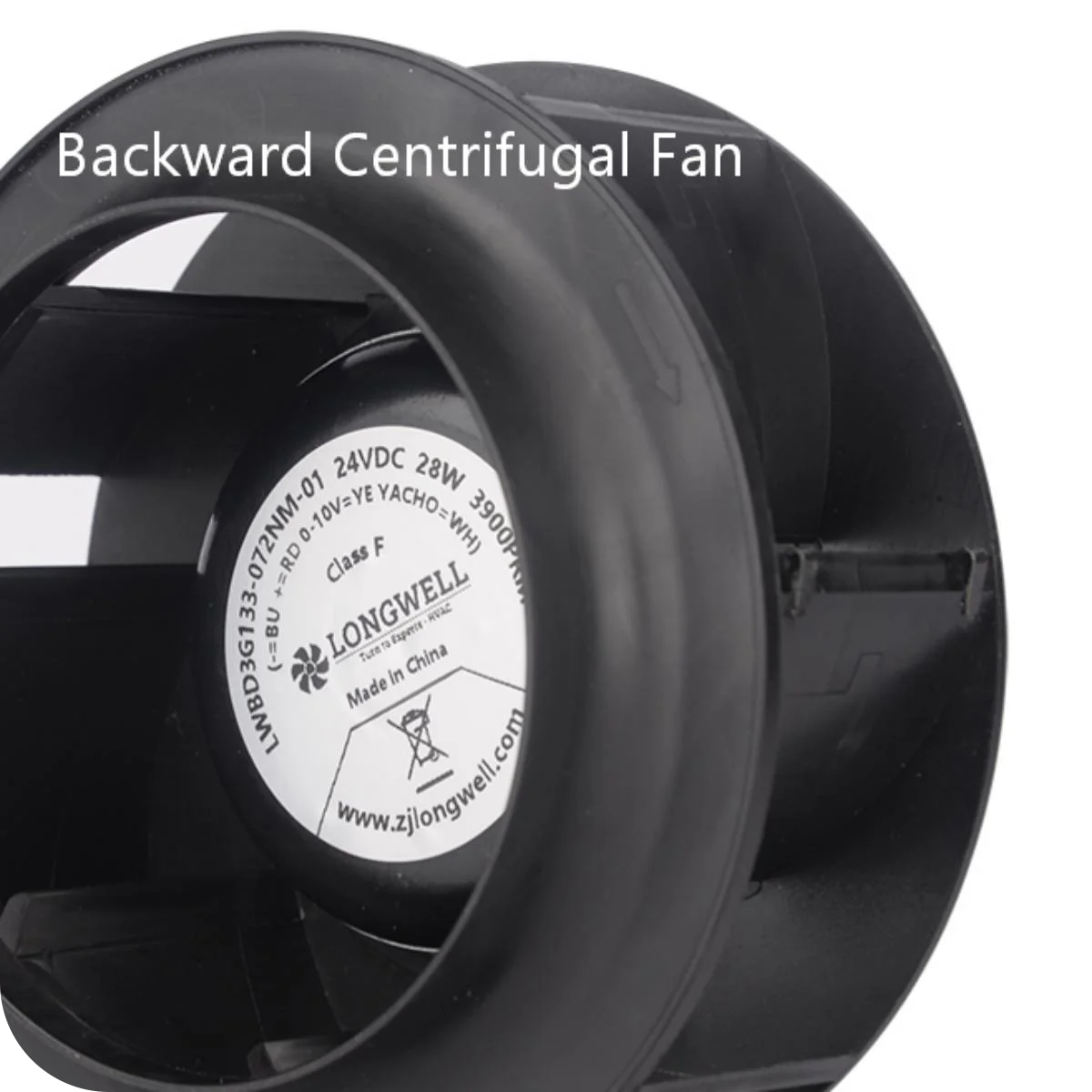
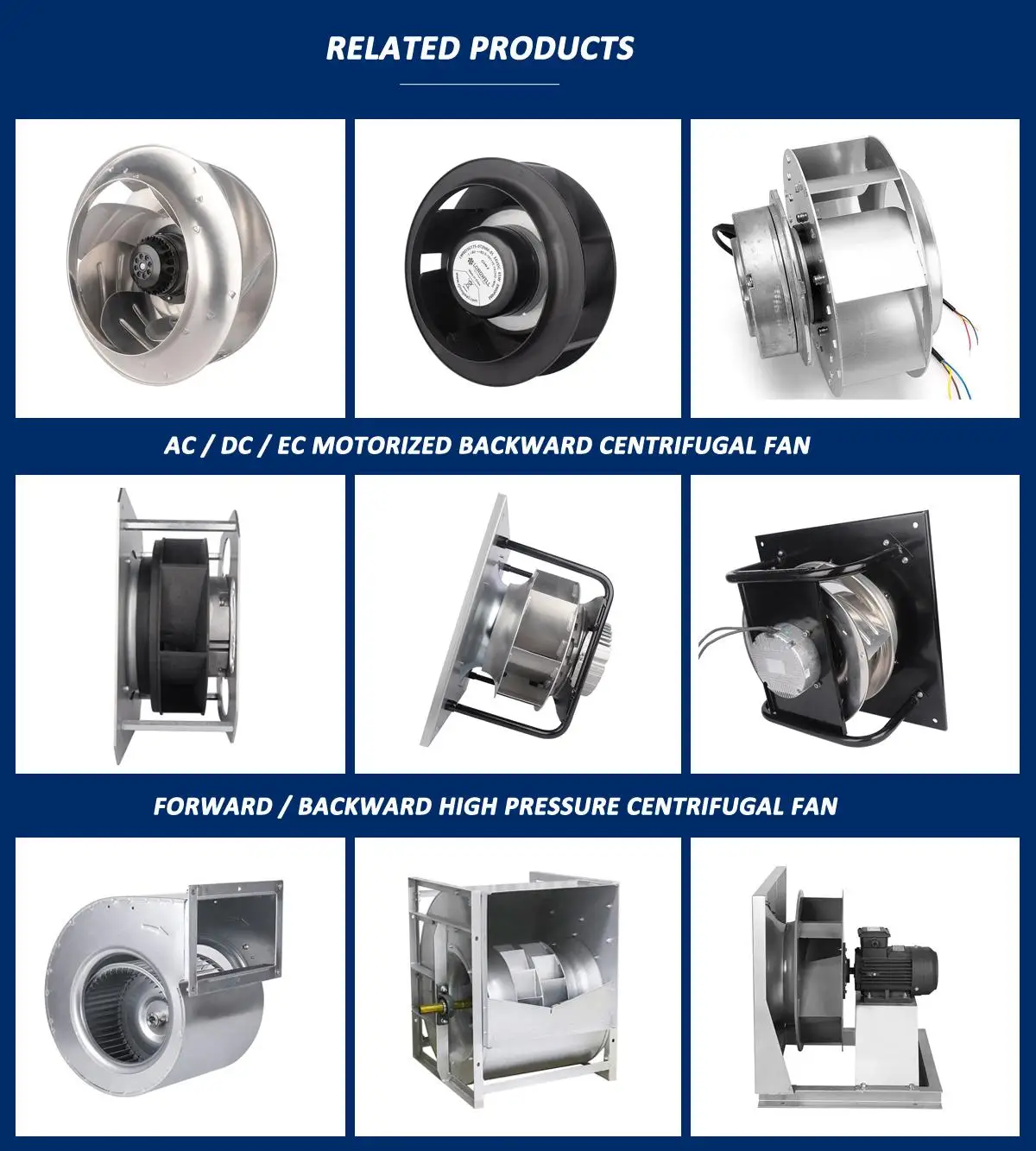
When your facility needs to handle heavy particulate loads, abrasive dust, or continuous pneumatic conveying of solids, the Backward Curved Centrifugal Fan is the undisputed champion.
· Aerodynamic Self-Cleaning: The blades on this wheel lean away from the direction of rotation. This brilliant aerodynamic design allows the air and material to slide smoothly over the blade surface. Because there is no “cup” to catch the debris, dust, woodchips, and fibers are highly unlikely to accumulate. This self-cleaning characteristic is critical; it prevents the wheel from losing its dynamic balance, thereby avoiding violent vibrations and premature bearing failure.
· The Non-Overloading Power Curve: This is perhaps the most beloved feature among system engineers. With a backward curved design, the motor power required peaks at a certain point and then levels off or slightly drops, even if the airflow increases dramatically (for instance, if a duct is suddenly opened or a filter bag bursts). This “non-overloading” characteristic guarantees that your motor will not burn out during system fluctuations, offering massive operational safety.
· Peak Energy Efficiency: Among all industrial fan designs, the backward curved profile boasts the highest static efficiency—often exceeding 80% to 85%. In heavy material handling systems that require motors in the hundreds of kilowatts, even a 5% increase in aerodynamic efficiency can translate to tens of thousands of dollars saved in annual electricity costs.
2. The Forward Curved Centrifugal Fan: The High-Volume Specialist
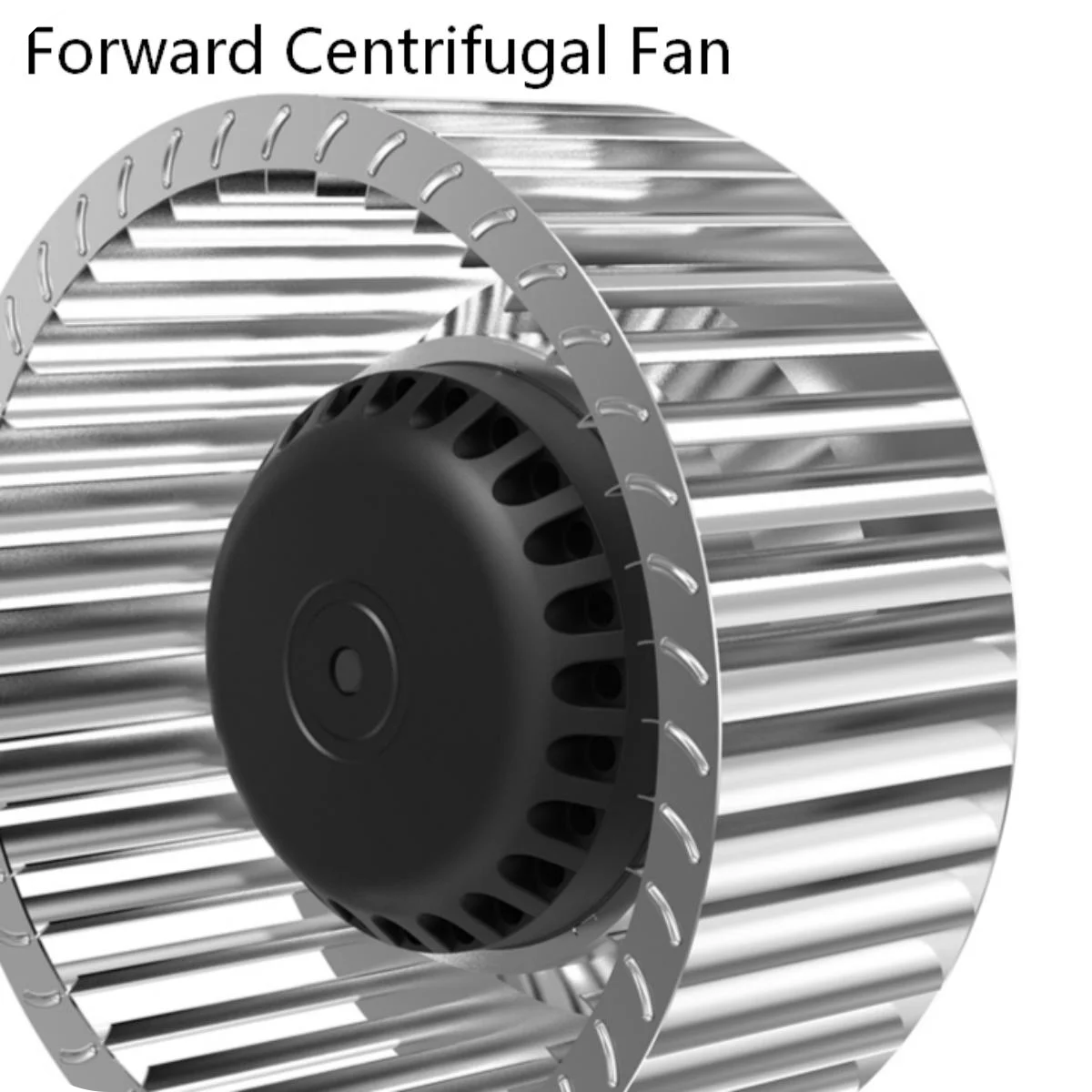
On the opposite end of the spectrum is the Forward Curved Centrifugal Fan (often referred to as a “squirrel cage” blower). Its blades curve in the same direction as the wheel’s rotation, and the wheel features many small, closely spaced, cupped blades.
· Massive Airflow at Low Speeds: The primary advantage of the forward curved design is its ability to move massive volumes of air at relatively low operating speeds and within a compact footprint. If space is tight and you need maximum ventilation, this is your go-to design.
· Limitations in Material Handling: Because the blades are cupped, they act almost like small scoops. If you introduce sticky, fibrous, or heavy particulate materials into this airstream, the debris will quickly become trapped inside the blade curves. This leads to rapid unbalancing, severe vibration, and eventual system failure. For this reason, LONGWELL engineers strongly advise against using forward curved wheels for direct material handling (the “dirty air” side).
· Strategic Application: So, where do they fit in a material handling setup? Forward curved fans are incredibly useful on the “clean air side” of the system. For example, they are perfect for drawing a vacuum after a highly efficient baghouse or filtration system, or for providing high-volume cooling air to the massive drive motors and compressors powering the rest of your plant.
Quick Reference: Centrifugal Impeller Comparison
To help procurement teams and engineers make rapid decisions, we have compiled the core differences into a straightforward matrix:
|
System Requirement |
Backward Curved Centrifugal Fan |
Forward Curved Centrifugal Fan |
|---|---|---|
|
Static Pressure Output |
High to Very High |
Low to Medium |
|
Volumetric Airflow |
Medium to High |
Very High (Best ratio per size) |
|
Material Handling Ability |
Excellent (Self-cleaning design) |
Poor (Prone to clogging and buildup) |
|
Energy Efficiency |
Peak (Up to 85% aerodynamic efficiency) |
Moderate (Typically 60% – 65%) |
|
Motor Safety Curve |
Non-overloading (Motor is protected) |
Overloading (Requires careful system balancing) |
|
System Placement |
Dirty Air Side / Direct Conveying |
Clean Air Side / Equipment Cooling |
What Makes a True Industrial Centrifugal Fan?
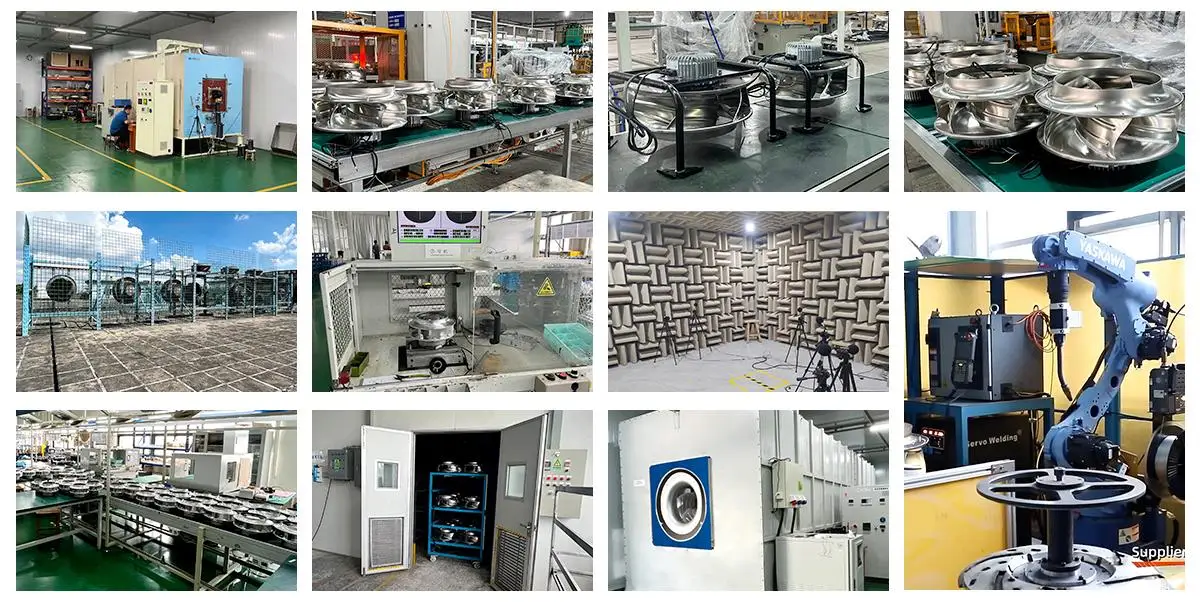
Selecting the correct blade geometry is only step one. Surviving the 24/7, brutal environment of industrial manufacturing requires an Industrial Centrifugal Fan built with uncompromising manufacturing standards.
Standard commercial HVAC fans are typically made with light-gauge sheet metal and spot welding. If you subject them to high-velocity material impacts, they will tear apart within weeks. At LONGWELL, we adhere to stringent industrial standards:
1. Heavy-Duty Housings & Reinforcements: The high-speed impact of conveyed materials causes intense abrasion. We manufacture our scroll housings and impellers using heavy-gauge carbon steel, Corten steel, or specialized stainless steel alloys. High-wear areas are often reinforced with hardened AR (Abrasion Resistant) steel liners. Furthermore, we use continuous seam welding—not spot welding or rivets—to eliminate any chance of air leakage under extreme pressure.
2. Precision Dynamic Balancing: At 3,600 RPM, even a fraction of an ounce of imbalance is magnified into destructive kinetic energy. Every single impeller that leaves the LONGWELL facility is subjected to rigorous dynamic balancing according to ISO 1940 standards (achieving G2.5 or better). This ensures vibration-free operation and maximizes the lifespan of the drive shaft and bearings.
3.Industrial-Grade Bearings and Drives: We match our rugged housings with oversized, heavy-duty pillow block bearings designed for hundreds of thousands of hours of L10 life. Whether you require a direct-drive setup for minimal maintenance or a belt-drive configuration for easy performance tuning, we pair our fans with globally recognized, TEFC (Totally Enclosed Fan Cooled) or explosion-proof motors to withstand heavy dust and moisture.
Real-World Applications Across Industries
How do these engineering principles play out in the real world? Here are a few scenarios where LONGWELL blowers make the difference:
· Agriculture and Grain Processing: Moving wheat, corn, or soybeans from a truck dump into a 100-foot-tall silo requires immense lift. High-pressure backward curved blowers not only move the grain efficiently but also act as air classifiers, utilizing the airstream to separate lightweight dust and chaff from the valuable crop during transit.
· Plastics and Chemical Manufacturing: Pneumatic conveying is the lifeline of plastic injection molding. However, if plastic pellets are conveyed too fast (due to poorly controlled pressure), the friction against the pipe walls melts the plastic, creating stringy fibers known as “angel hair.” LONGWELL blowers, paired with Variable Frequency Drives (VFDs), allow for precise pressure control to achieve gentle, dense-phase conveying.
· Woodworking and Lumber Mills: Planers, CNC routers, and saws produce a staggering amount of fibrous woodchips and fine sawdust. A custom-engineered material handling fan with a heavily reinforced, self-cleaning backward curved wheel is the only way to ensure the central dust collection system doesn’t turn into a severe fire hazard.
Why Partner with LONGWELL for Your Pneumatic Needs?
When a blower fails, you aren’t just paying for replacement parts; you are bleeding revenue by the minute due to total production downtime. You don’t just need a vendor; you need a manufacturing partner with deep engineering expertise.
As a leading global force in ventilation and motor technology, Ningbo Longwell Electric Technology Co., Ltd. (LONGWELL) operates state-of-the-art R&D centers and aerodynamic testing laboratories. We do not just sell off-the-shelf catalog items. We specialize in providing 1-on-1 OEM/ODM pneumatic solutions tailored precisely to your material’s bulk density, your ductwork’s resistance curve, and your facility’s operational environment.
From early-stage CFD (Computational Fluid Dynamics) modeling to rigorous factory acceptance testing and global technical support, LONGWELL is dedicated to ensuring every ounce of your material gets exactly where it needs to go—efficiently, safely, and profitably.
Do not let underperforming ventilation equipment throttle your production capacity. 👉 Visit our official website at www.longwellfans.com to explore our complete catalog of high-pressure material handling blowers, or contact the LONGWELL engineering team today for a comprehensive, customized system diagnostic!
Frequently Asked Questions (FAQ) About Material Handling Blowers
Q1: How do I know if my centrifugal fan is experiencing material buildup?
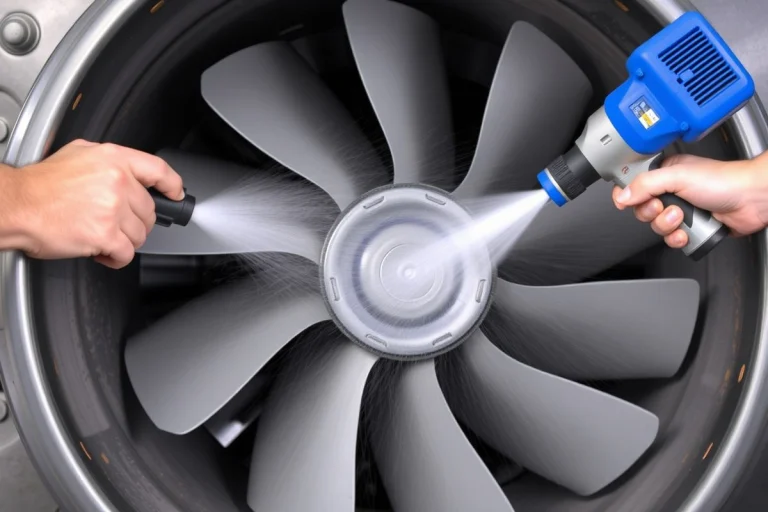
A: The first and most obvious sign of material buildup on the impeller is a sudden increase in system vibration. You may also notice a drop in conveying efficiency (materials starting to clog in the pipes) and an unusual spike in the motor’s amperage draw. Installing vibration sensors on the fan’s bearing housings is the best way to catch this issue early.
Q2: Can I use a standard HVAC centrifugal blower for pneumatic conveying?
A: Absolutely not. HVAC fans are designed to move clean, ambient air at low static pressures (usually under 6 inches of water gauge). They use thin sheet metal that will quickly erode, and their impellers will likely clog or shatter when subjected to the impacts and high static pressure requirements of solid material handling.
Q3: What information does LONGWELL need to size a blower for my facility?
A: To engineer the perfect solution, our team will need to know: The type of material being conveyed, its bulk density (lbs/ft³ or kg/m³), the required conveying rate (tons per hour), the total length and diameter of your ductwork, the number of elbows in the system, and your facility’s altitude and ambient temperature.
Q4: How often should the bearings on an industrial centrifugal fan be lubricated?
A: This depends heavily on the operating environment (temperature, dust levels) and the specific bearing type. However, for 24/7 heavy industrial applications, a general rule of thumb is to inspect and grease the bearings every 3 to 6 months. Always refer to the specific maintenance manual provided by LONGWELL for your custom unit.