Executive Summary
This report delivers a comprehensive, in-depth, and actionable strategic plan to Longwell Fans (hereinafter “Longwell”), with the primary objective of elevating Longwell’s brand equity to industry-leading status. Through rigorous analysis of global macro trends, competitor strategies, and Longwell’s current standing, this report identifies a market at a critical inflection point driven by the energy efficiency revolution. Against this backdrop, brand strength is no longer a mere marketing add-on but a core strategic asset determining whether a company can seize opportunities and achieve transformational growth.
Competitive intelligence reveals that the global industrial fan market is expanding steadily at a Compound Annual Growth Rate (CAGR) of 4.3% to 7%. Within this sector, high-efficiency solutions centered on Electronic Commutation (EC) technology are becoming the definitive industry standard. The rise of high-growth verticals—such as data centers, HVAC retrofits, and the food & beverage sector—places unprecedented demands on performance, reliability, and intelligence. Consequently, procurement decisions are shifting from an initial-cost focus to Total Cost of Ownership (TCO) and holistic value.
Analysis indicates that industry leaders like ebm-papst and Ziehl-Abegg have successfully positioned themselves as “engineering technology partners” rather than simple “component manufacturers.” This shift stems from decades of innovation, exceptional brand storytelling (e.g., Ziehl-Abegg’s “The Royal League” and “Biomimetics” concepts), and robust digital ecosystems. This positioning gap constitutes the core brand perception challenge Longwell currently faces.
The report offers an objective assessment of Longwell’s status, acknowledging its solid foundation in EC fan technology. However, the audit reveals that Longwell’s brand image, digital marketing capabilities, and industry influence do not yet fully reflect its inherent technical strength. The market currently perceives the brand as an excellent component supplier; its deep expertise has failed to translate effectively into brand assets that establish market authority.
To close this gap, the report proposes a brand elevation strategy built on four mutually reinforcing pillars:
- Forge a Distinct Brand Identity: Redefine the value proposition from product-centric to value-centric. Position Longwell as the “EC Technology Partner for Mission-Critical Environments” and develop a compelling brand narrative.
- Build a World-Class Digital Knowledge Hub: Transform the official website from a product catalog into an engineering resource center. Systematically establish thought leadership through technical white papers, case studies, and video content, supported by precision SEO and digital advertising.
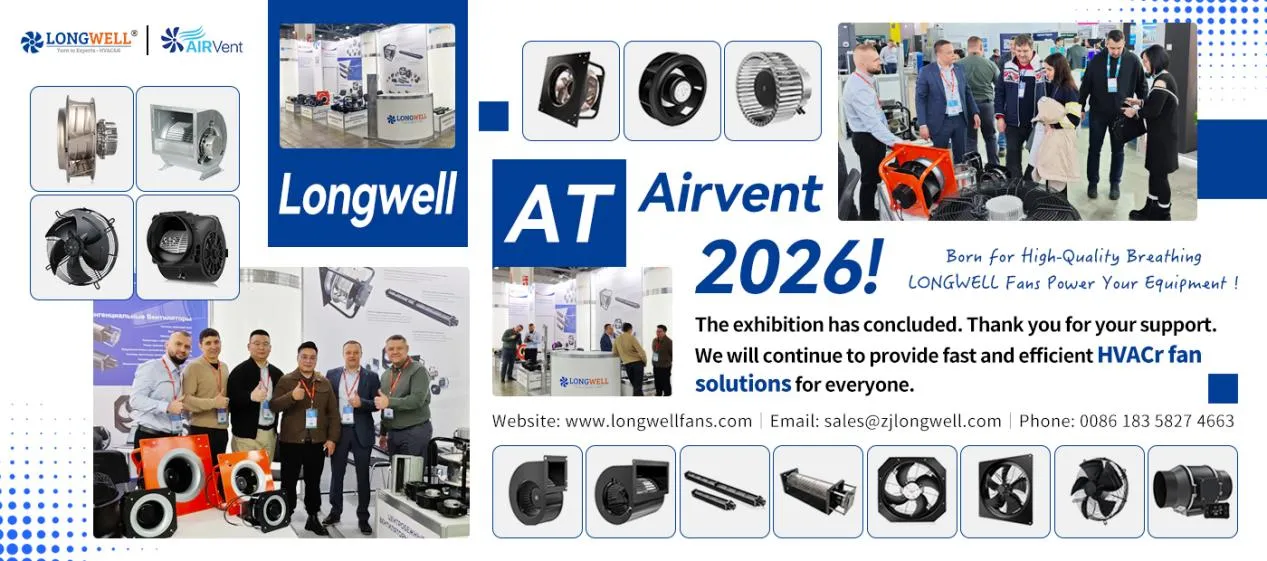
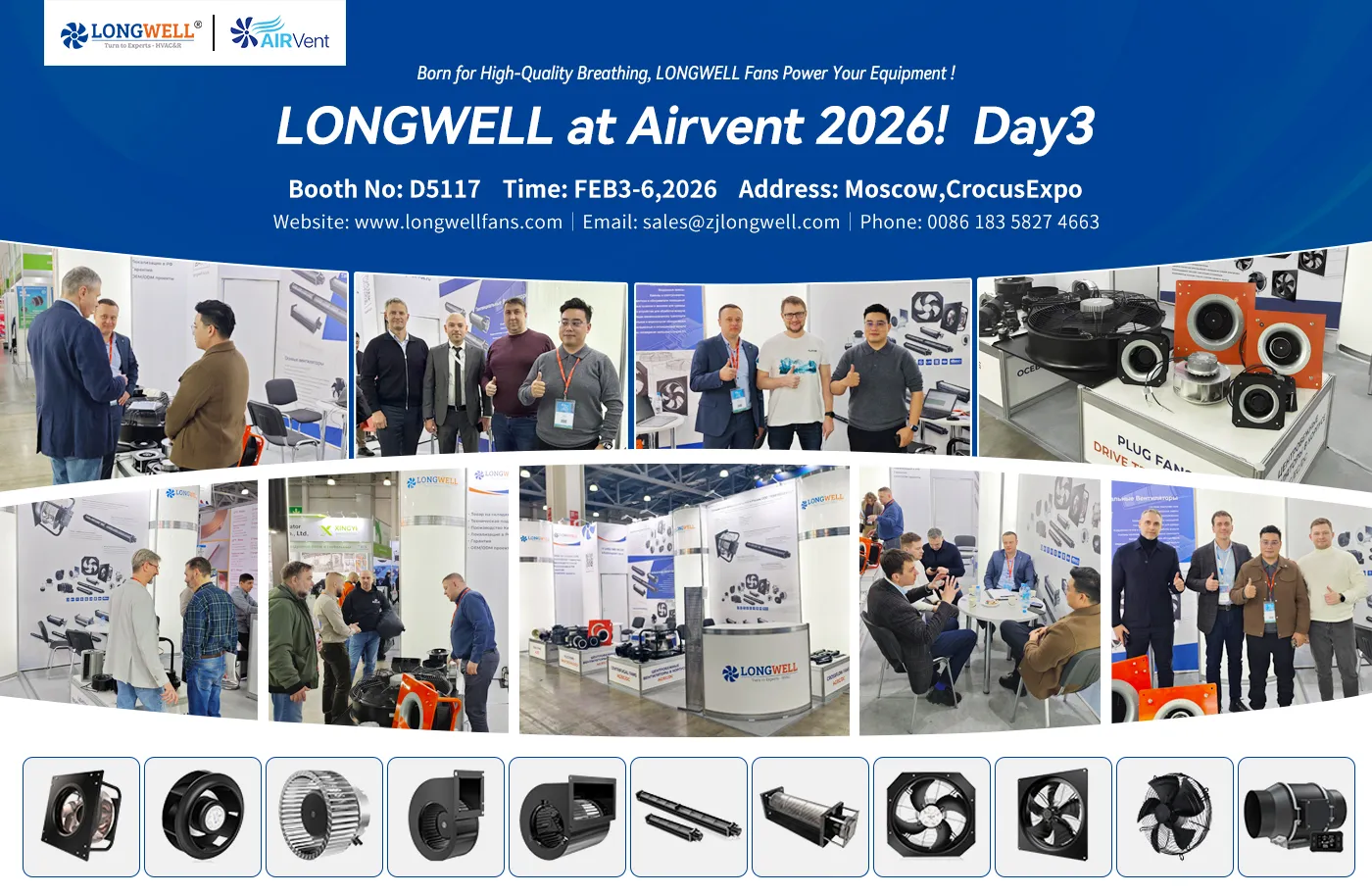
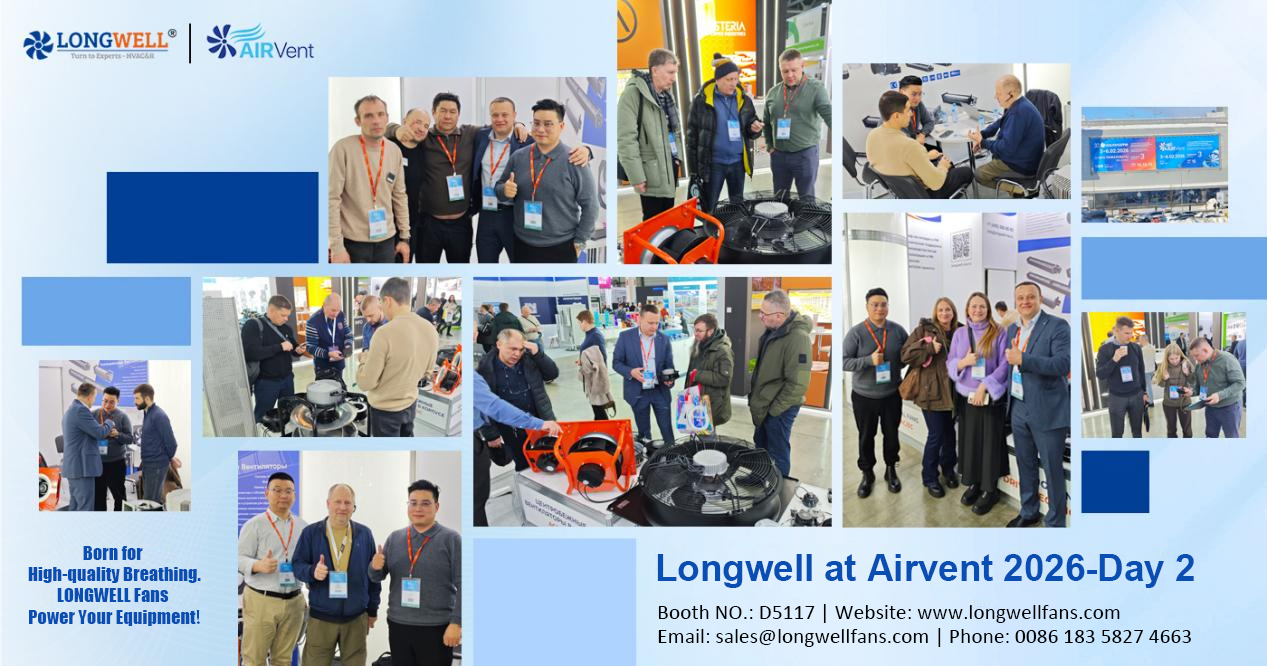
- Cultivate Industry Authority: Elevate Longwell’s professional voice through strategic presence at top global trade shows, publishing technical articles in authoritative journals, and actively engaging with professional engineering communities.
- Empower Sales Channels as Brand Ambassadors: Transform the global dealer network into effective extensions of the Longwell brand by establishing a partner portal, providing branded sales kits, and delivering systematic enablement training.
The report concludes with a detailed 36-month implementation roadmap and establishes a Key Performance Indicator (KPI) dashboard to ensure effective execution and continuous optimization.
In summary, this plan provides Longwell with a clear pathway to achieve a fundamental transformation from a respected manufacturer to a recognized market leader through systematic brand strategy investment. Successful execution will not only elevate Longwell’s brand value but also lay a solid foundation for its long-term, sustainable growth in the global market.
Chapter 1: The Global Industrial Fan Market: A Landscape of Technological Disruption and Strategic Opportunities
This chapter defines the macroeconomic and technological context in which Longwell operates. Contrary to the perception of industrial fans as a commoditized sector, the market is undergoing a structural transformation driven by irreversible global demand for energy efficiency. Understanding this shift is essential to evaluating the strategic rationale behind the proposed brand investments.

1.1 Market Dynamics and Growth Trajectory (2025–2035)
The global industrial fan market exhibits strong and resilient growth potential. Estimates place total market value between USD 7.2 billion and USD 16.1 billion in 2024–2025, with a projected CAGR of 4.3%–7% through 2035. While absolute figures vary by methodology, all credible forecasts converge on one conclusion: the sector represents a stable and attractive long-term growth market.
Growth is driven by 2 primary factors. First, continued industrialization in emerging economies—particularly across the Asia-Pacific region, which accounts for more than 41% of global market share. China alone is projected to grow at a CAGR of approximately 5.9%. Second, global infrastructure investment and urbanization are driving sustained demand for ventilation and air-handling systems across both new construction and retrofit projects.
For Longwell, this environment provides a strong strategic foundation. Market expansion supports long-term brand investment, while the company’s established presence in Asia-Pacific—especially China—offers a domestic scale advantage that can be leveraged to build credibility before accelerating global expansion.
1.2 Technical Directive: Seizing the Decisive Opportunity of EC Fan Growth
The most decisive trend shaping the market is the rapid transition toward Electronically Commutated (EC) technology. EC fans are no longer a niche alternative; they represent the future of the industry.
The EC fan segment is growing faster than the overall market, with an estimated size of USD 2.5–2.8 billion and a projected CAGR of 5.1%–6.5%. This momentum is driven by clear technical advantages over traditional AC fans, including energy savings of 30%–70%, stepless speed control, lower noise levels, and near maintenance-free operation.
Regulatory pressure and commercial requirements further accelerate adoption. Stricter energy regulations, sustainability commitments, and green building standards are pushing EC technology from “preferred” to “mandatory.” While Longwell’s product portfolio is well aligned with this trend, technical excellence alone is insufficient to build brand leadership. The strategic imperative is to reposition Longwell from an EC fan supplier to an EC technology authority—shifting the narrative from manufacturing efficiency to problem-solving expertise.
1.3 The Evolution of B2B Customer Priorities and Key Decision Drivers
B2B procurement behavior is undergoing a structural shift, moving away from price-driven decision-making toward comprehensive evaluations based on Total Cost of Ownership (TCO). Customer priorities are becoming increasingly multidimensional:
- Sustainability: A primary purchasing driver in Europe and North America, where approximately 72% of Western European stakeholders are willing to pay a premium for low-emission and energy-efficient solutions.
- Reliability: Approximately 71% of decision-makers prioritize long service life and corrosion-resistant materials in order to minimize downtime and maintenance-related disruptions.
- Smart Integration: Demand for IoT-enabled systems with predictive maintenance capabilities is rising, particularly in labor-constrained markets such as the United States.
- Acoustic Performance: In densely populated industrial regions, including Japan and South Korea, low noise levels represent a critical differentiating factor.
Against this backdrop, Longwell’s value communication must become more targeted and precise. Generic claims of “high efficiency” are no longer sufficient. Instead, messaging must address specific regional and application-driven pain points—for example, emphasizing carbon footprint reduction in Europe and automation compatibility in the U.S.—in order to construct a persuasive and credible value narrative.
1.4 Targeting High-Potential Growth Sectors: Data Centers, HVAC, and Other Emerging Fields
To optimize resource allocation and maximize market impact, Longwell must focus its marketing and product development efforts on high-growth vertical industries where demand for EC technology is both urgent and accelerating. Detailed market analysis identifies several application areas with particularly strong growth potential:
- Data Centers and Telecom Facilities: One of the most premium growth sectors today. Cooling systems account for up to 40% of a data center’s massive energy consumption. As server power densities continue to increase, demand for precise, variable, and highly reliable cooling solutions is exploding. Against this backdrop, EC fans, with their superior performance, are widely recognized as “essential for future-proof data center cooling” rather than merely an option.
- HVAC System Retrofits: In mature markets like North America and Europe, ventilation systems in numerous existing buildings are aging. To meet new energy efficiency and safety standards, a large-scale modernization wave is emerging. EC fans, with their high efficiency, energy savings, and easy “plug-and-play” replacement, are the ideal choice for such retrofit projects.
- Food and Beverage Processing: This sector is projected to achieve the fastest compound annual growth rate (CAGR) of up to 5.7%. This growth is primarily driven by the industry’s pursuit of stringent hygiene, temperature control, and air quality standards in production environments, all of which rely on high-performance, highly reliable ventilation equipment.
- Automotive Industry (particularly Electric Vehicles): As the global automotive sector transitions toward electrification, new demands are emerging for battery thermal management systems. EC axial fans, with their high efficiency, compact design, and low noise, are playing an increasingly vital role in critical applications like EV battery cooling.
These high-growth verticals provide Longwell with a clear strategic focus. A broad, undifferentiated “universal fan” positioning aimed at all industrial sectors is unlikely to generate sustainable competitive advantage. Instead, Longwell must develop deep application expertise and tailored solutions for each core vertical. Brand messaging should evolve from “We supply fans” to “We deliver optimized thermal airflow solutions for data centers” or “We provide rapid-return energy efficiency upgrade solutions for HVAC retrofits.”
This evolution reflects a broader industry shift away from pure product sales toward solution-oriented business models. Market leaders increasingly offer integrated packages that combine hardware with lifecycle cost analysis tools, pilot installations, retrofit financing options, and connected monitoring services.
The underlying logic is clear: customers are not purchasing fans as standalone products, but are seeking predictable, quantifiable, and risk-controlled operational outcomes. Because TCO analysis involves complex variables such as energy modeling and maintenance forecasting, leading companies support customers with analytical tools and consultative services that clarify long-term value and reduce decision-making risk.
For Longwell, this insight is transformative. The brand strategy must shift decisively from a product-centric approach toward a solution-partner mindset. Achieving this will require coordinated changes across the company’s website, sales processes, marketing materials, and even R&D direction, ensuring that every customer touchpoint reinforces a consultative, solution-driven value proposition.
Chapter 2: Competitive Intelligence: Benchmarking Against the Industry's “Royal League”
This chapter provides a candid and in-depth assessment of the competitive landscape, with a specific focus on the brand strength of market leaders. Its purpose goes beyond merely describing competitors; it seeks to deconstruct the underlying mechanisms of their brand power, establish a clear benchmark for Longwell, and ultimately define a credible path toward surpassing them.

2.1 Market Leader Profiles: Brand Strength of ebm-papst and Ziehl-Abegg
The industrial fan market is dominated by several long-established German engineering companies, among which ebm-papst and Ziehl-Abegg are widely recognized as industry titans. Through sustained technological innovation and disciplined brand building, these firms have successfully positioned themselves as technology leaders and de facto standard-setters within the market.
- EBM-Papst: Positioned as the “world’s leading fan manufacturer,” this company has consistently “set global industry standards” since its founding in 1963. Its brand reputation rests on efficient EC fan technology and unwavering R&D investment, establishing it as the globally recognized leader in energy-saving solutions.
- Ziehl-Abegg: Founded in 1910, Ziehl-Abegg leverages its long history of innovation to build brand moats. Not only did they invent the external rotor motor, but they also pioneered the introduction of EC motors into ventilation applications in the 1980s. The company possesses high vertical integration capabilities, from motor manufacturing to fan assembly, ensuring exceptional quality control and rapid responsiveness to market demands.
These competitors’ brands are not built on airy castles but on solid foundations of decades of genuine technological breakthroughs and outstanding engineering practices. Longwell cannot simply claim leadership through slogans but must prove it through tangible actions and effective communication. The competitors’ long histories represent powerful brand assets. Longwell must counter this challenge with greater agility, more focused strategy, and superior communication of its technological value.
2.2 Deconstructing Competitors' Brand Narratives and Value Propositions
The brand narratives of market leaders are sophisticated, multi-layered, and highly persuasive. They do not merely sell products; they sell trust, innovation, and system-level performance guarantees.
- Ziehl-Abegg’s “The Royal League” exemplifies premium brand positioning. Through the use of metaphor, the slogan immediately places Ziehl-Abegg within an elite, top-tier cohort defined by the highest standards. This elevated positioning is reinforced through a series of distinctive and well-orchestrated brand stories:
- Biomimetics: Ziehl-Abegg explicitly highlights its “biomimetic design” philosophy in marketing, exemplified by the ZAbluefin and FPowlet series—inspired by whales and owls respectively. This masterful narrative strategy elevates an industrial fan from a cold mechanical component to a high-tech work of art infused with natural intelligence, powerfully communicating its products’ pursuit of ultimate energy efficiency and quiet operation.
- System Mastery: Schlober offers far more than just fans. Its product portfolio spans motors, control technologies, and even cloud-based digital solutions like ZAbluegalaxy, positioning itself as the master controller and optimizer of entire ventilation systems.
- EBM-Papst’s “Engineering a Better Life”: This brand narrative artfully connects its complex technology to a warm, human-centered benefit. By emphasizing its role as a “system partner” collaborating with clients to develop complete solution packages (e.g., fans, valves, combustion controllers in heating systems), it demonstrates deep application expertise.
In contrast, while Longwell’s current brand messaging is technically accurate, it remains largely confined to product feature descriptions. It lacks the narrative dimension capable of generating emotional resonance and cultivating a distinctive brand identity. Consequently, the development of a compelling, evidence-based, and differentiated brand story represents a primary task of Longwell’s overall brand strategy.
2.3 Digital Footprint Analysis: Comparative Evaluation of Online Presence and Content Strategy
An in-depth review of competitors’ official websites reveals that these platforms have long evolved beyond the role of simple online product catalogs. Instead, they function as sophisticated knowledge hubs for technical exchange and industry education. These digital assets are integral components of competitors’ brand strategies, serving to establish authority, educate the market, and engage deeply with technical decision-makers.
- Xerox’s Website: A prime example of content marketing excellence. Beyond standard product information, it features unique offerings like the AI-generated professional podcast “AIRSTREAM Insights,” the online customer magazine “FANpost,” and a dedicated section detailing its bionic R&D philosophy. Its website navigation is ingeniously designed, allowing users to browse either by “Product Type” or explore by “Market Segment” (application industry). This dual-path approach precisely serves different visitor types: an engineer seeking a specific fan model and a consultant designing comprehensive ventilation systems for data centers can both quickly and efficiently locate their required information.
- EBM-Papst’s Website: While lacking direct analysis of their site, their brand positioning as a “technology company” with “system expertise” suggests their website likely contains substantial technical content—such as technical documentation, application case studies, and design tools—to reinforce their image as industry experts.
When benchmarked against these industry leaders, Longwell’s website clearly requires a fundamental transformation. Its objective should be to evolve from a basic information dissemination platform into an authoritative knowledge hub capable of attracting, educating, and converting high-value technical audiences. This is not merely a website redesign, but a necessary shift in brand mindset.
A particularly noteworthy phenomenon is how Ziehl-Abegg has extended its intellectual property moat beyond formal patents by creating and promoting proprietary, trademarkable brand concepts such as “Biomimetics,” “ZAbluefin,” and “The Royal League.” While competitors may eventually replicate certain technical designs, no rival can legally adopt these names or claim association with these branded concepts. As a result, Ziehl-Abegg has effectively established a unique market language. When customers search for “the fan inspired by owl wings,” even without recalling a specific model number, they are implicitly seeking Ziehl-Abegg’s products.
The implication for Longwell is clear: it must begin deliberately constructing its own proprietary brand vocabulary. Core technologies, design philosophies, and service platforms should be clearly named and consistently promoted—for example, “Longwell’s AcuFlow™ Precision Airflow Technology for Data Centers.” Such branded concepts create distinctive, memorable assets while enabling Longwell to “own” specific technical topics in the market, thereby strengthening long-term differentiation and competitive defensibility.
Table: Key Competitor Brand Positioning Matrix
| Company | Brand Slogan / Tagline | Core Value Proposition | Key Branded Technologies / Concepts | Key Target Verticals | Dominant Content Types |
| Ziehl-Abegg | “Welcome to the Royal League” | Delivers premium ventilation, control, and drive system solutions inspired by nature’s wisdom (biomimetics), representing the highest industry standards. | Biomimetics, ZAbluefin, ECblue, ZAplus | Building Technology, Data Centers, Refrigeration, Industrial Processes, Medical Technology | AI Podcasts, Customer Magazines, Biomimetic Concept Deep-dives |
| ebm-papst | “engineering a better life” | Acts as a leading global technology partner providing efficient, intelligent air and drive solutions that consistently set global industry standards. | GreenTech EC technology | Heating Technology, Refrigeration, Automotive, Industrial Applications | System Solution Case Studies, Technical Articles |
| Longwell (Current State) | (Undefined) | Manufactures and supplies high-quality, durable, and low-noise energy-efficient EC fans, axial fans, and centrifugal fans. | (Unbranded / Generic) | General Ventilation, Air Purification, Data Centers, Home Appliances | Product Spec Sheets, Application Lists |
Chapter 3: Longwell Brand Audit: An Objective Assessment of Current Positioning and Untapped Potential
This chapter shifts the analytical focus inward, using the market and competitive landscape established in the preceding chapters as a reference framework. It conducts a candid and objective evaluation of Longwell’s current brand equity, messaging, and market perception.

3.1 Benchmarking Analysis of Product Portfolio and Technology Roadmap
An analysis of Longwell’s official website confirms that the company’s product portfolio is built on a solid strategic foundation. Its core product lines are concentrated in the most in-demand and technologically advanced segments of the market, namely EC fans, axial fans, and centrifugal fans. This positioning aligns closely with the technology trends identified in Chapter 1.
More importantly, Longwell has clearly oriented its offerings toward key growth sectors such as ventilation, air purification, and data centers. The technical value propositions emphasized on its website—including high energy efficiency, extended service life, and low noise performance—directly correspond to the core decision drivers increasingly prioritized by B2B customers.
From a strategic perspective, this indicates that Longwell already possesses the essential “raw materials” required to build a strong brand. Its product strategy is fundamentally sound, and its technological trajectory is well aligned with future market directions. Consequently, the root cause of Longwell’s current brand weakness does not lie in its products themselves, but rather in how their value is packaged, positioned, and communicated to the market.
3.2 Deconstructing Longwell's Digital Presence and Brand Messaging
At present, Longwell’s official website (www.longwellfans.com) primarily functions as an online product catalog. It clearly presents product categories, basic technical specifications, and target application areas. The “About Us” section appears to follow conventional corporate messaging, emphasizing quality commitments and customer service.
However, when benchmarked against the industry leaders analyzed in Chapter 2, the website’s limitations as a strategic brand-building asset become evident. While it effectively informs visitors about the products Longwell offers, it falls short in persuading potential customers why they should choose Longwell, and in establishing a strong perception of technical authority. The site lacks the depth of content, thought leadership, and compelling brand narratives required to attract, engage, and convert high-value technical audiences.
Communication remains largely one-directional—an information broadcast from company to market—without the interactive, knowledge-sharing mechanisms that are critical for building trust in B2B environments, particularly among engineers and technical decision-makers.
3.3 Identifying Brand Perception Gaps: From Component Manufacturer to Solution Partner
Based on the foregoing analysis, Longwell’s core brand perception gap is clearly identifiable. At present, the market predominantly perceives Longwell as a component manufacturer capable of delivering qualified EC fan products. In contrast, ebm-papst and Ziehl-Abegg have successfully positioned themselves as engineering technology partners that deliver system-level performance optimization and advanced ventilation solutions.
This represents a fundamental disparity in market positioning. When customers consider Longwell, they tend to envision sourcing a component from a supplier; when they consider ebm-papst or Ziehl-Abegg, they envision consulting an industry expert for a solution. Bridging this perceptual gap is the central objective of Longwell’s brand elevation strategy, and all subsequent recommendations in this report must ultimately serve to drive this critical shift in perception.
In B2B procurement decisions—particularly for mission-critical infrastructure components—the dominant underlying emotion influencing supplier selection is often fear: fear of downtime, underperformance, or incorrect technical decisions. The most effective way to mitigate this fear is through compelling social proof, demonstrating that trusted and respected organizations have selected the supplier and achieved measurable success.
Industry leaders benefit inherently from such trust endorsements through long operating histories and extensive installed bases. As a challenger brand, Longwell must deliberately and systematically build this credibility. At present, its digital presence appears to lack several critical trust-building elements, including detailed case studies featuring named customers and quantifiable results; testimonials from engineers at well-known enterprises; prominent display of key certifications (e.g., ISO, AMCA); and evidence of active participation in authoritative industry organizations such as ASHRAE.
Accordingly, a core component of Longwell’s brand strategy must be the establishment of a structured process for generating, documenting, and showcasing social proof. This is not merely a marketing task, but a cross-functional business process requiring close collaboration among sales, engineering, and customer service teams.
Furthermore, Longwell’s engineers and technicians almost certainly possess deep expertise in EC technology and its real-world applications. However, based on its current digital footprint, much of this knowledge appears to be internally confined, rather than systematically converted into external brand assets. In B2B markets, trust is built on demonstrable and verifiable capabilities. Market leaders consistently reinforce their authority by publishing technical articles in respected journals such as ASHRAE Journal, presenting at flagship industry events like the AHR Expo, and contributing expert insights to specialized technical forums.
Longwell must therefore establish a robust content marketing and thought leadership program with a clear objective: to unlock internal technical expertise and transform it into influential brand assets capable of shaping market perception and building long-term trust.
Chapter 4: Longwell Brand Elevation Strategy: A Multi-Pillar Action Plan
This chapter serves as the core of the report, translating the preceding analysis into a concrete, actionable blueprint. The plan is built around four interconnected strategic pillars that work synergistically to bridge brand perception gaps and propel Longwell toward a leap in market standing.

4.1 Pillar Ⅰ: Forging a Powerful Brand Identity
Brand identity serves as the foundation and starting point for all marketing activities. It defines “who we are” and “what unique value we deliver to customers.”
Longwell must shift its core messaging from product-centric (“We sell high-quality EC fans”) to customer-value-centric. Based on market analysis, we propose a new core value proposition direction: “Longwell: The EC Technology Partner for Mission-Critical Environments.”
This value proposition offers the following strategic advantages:
- Defensibility: It builds upon Longwell’s existing EC technology product strengths, supported by a solid product foundation.
- Resonance: It directly addresses the core needs of high-growth verticals like data centers, cleanrooms, and premium HVAC. The term “mission-critical” precisely captures these sectors’ extreme demands for reliability, stability, and performance.
- Differentiation: It positions Longwell as a highly focused “expert” and “partner,” contrasting sharply with the broader, more traditional positioning of industry giants. This helps establish cognitive superiority within specific domains.
4.1.2 Crafting a Compelling Brand Narrative and Messaging Framework
Building on this core value proposition, Longwell must develop a compelling and coherent brand narrative. Rather than serving as a retrospective account of corporate history, this narrative should articulate a forward-looking vision for the future of airflow and aerodynamics. It can integrate themes such as digital precision, energy optimization, and deep application-specific expertise.
For example, the narrative could illustrate how Longwell delivers airflow that is as precise and reliable as breathing for the “heart” of the digital world—data centers—through advanced EC control algorithms and intelligent system design.
Beneath this overarching narrative, a layered messaging framework should be established. This framework must deliver tailored core messages to distinct target audiences—such as design engineers, procurement managers, and senior executives—as well as to different regional markets, including North America, Europe, and Asia. Each message set should directly address the audience’s most critical decision factors, such as sustainability for European customers or automation and system integration capabilities for North American clients.
4.2 Pillar Ⅱ: Building a World-Class Digital Ecosystem
In modern B2B markets, digital platforms constitute the primary battleground for brand building. Longwell must elevate its digital assets from basic information repositories into core engines that establish authority, generate demand, and enable sales effectiveness.
4.2.1 Website Transformation: From Product Catalog to Engineering Knowledge Hub
The official website (www.longwellfans.com) requires a fundamental reimagining, with the objective of becoming a preferred knowledge source for engineers and technical decision-makers.
- Structural Reorganization: Website navigation should be organized around dual pathways. One path is “by industry solution” (e.g., data centers, cleanrooms, HVAC), while the other is “by technology platform” (e.g., creating proprietary technology names like ‘Longwell SmartEC Intelligent Control Platform’ or ‘AcousticFlow Silent Blade Technology’). This structure emulates best practices from industry leaders like Xerox, better guiding users with diverse needs.
- Content Upgrade: The website’s core will shift from product listings to high-quality, in-depth technical content. This is the essential path to establishing thought leadership.
4.2.2 Content Marketing Engine: Building Technical Authority Through Expertise
A continuous content marketing program must be launched to systematically transform Longwell’s internal “silent expertise” into external market influence.
- Develop a Content Strategy: Establish a content pipeline encompassing multiple formats, including:
- Technical White Papers: In-depth explorations of specific technical challenges, such as “The Evolution of Thermal Management Strategies for High-Power-Density Data Centers” or “Quantitative Analysis of HVAC Retrofit Energy Efficiency Optimization Using EC Fan Arrays.”
- Customer Case Studies: Produce detailed success stories featuring real data and client testimonials demonstrating quantifiable business outcomes. Example: “Company X reduced its data center PUE by 15% through deployment of Longwell solutions.”
- Application Notes & Design Guides: Provide practical technical documentation to help engineers more easily and accurately select and integrate Longwell products into their designs.
- Blog and Video Content: An excellent way to showcase the “human” side of the company’s technology. Regularly publish interviews with Longwell’s senior engineers, create animated shorts explaining EC technology principles, or feature behind-the-scenes stories from the R&D lab. This fully aligns with B2B marketing best practices of building trust through education.
4.2.3 Strategic SEO and Targeted Digital Advertising
- Search Engine Optimization (SEO): All content development must be grounded in rigorous keyword research, focusing on high-intent search terms used by engineers and procurement professionals when solving real-world problems.
- Paid-Per-Click (PPC) & Social Media Advertising: Platforms such as Google Ads and LinkedIn should be used for highly targeted campaigns. The objective is not immediate product sales, but the promotion of high-value content assets—such as white papers and webinars—to attract specific decision-making roles and generate qualified leads.
4.3 Pillar Ⅲ: Cultivating Industry Authority and Influence
A strong industrial brand must extend its presence beyond owned digital channels and establish credibility within authentic industry ecosystems.
4.3.1 Priority Global Trade Show and Event Strategy
Longwell should maintain a professional and consistent presence at strategically selected industry events, including:
- Global Flagship Events: AHR Expo in North America (the world’s largest HVAC&R trade show) and ISH in Germany (the global leader in HVAC and sanitary ware exhibitions).
- Core Asian Exhibitions: ISH China & CIHE (China’s premier HVAC industry exhibition).
- Vertical-specific Trade Shows: For the core data center sector, participate in Data Center World or similar high-end specialized events.
Exhibition participation should go beyond booth displays. The primary objective must be to demonstrate thought leadership by securing speaking opportunities for Longwell engineers, hosting technical workshops, and showcasing advanced insights into emerging technologies.
4.3.2 Engaging Engineer Communities: Professional Publications and Online Forums
The brand must proactively enter the core channels where engineers obtain information, seek advice, and exchange ideas.
- Professional Publications: Develop a PR plan targeting technical articles and case studies in highly respected industry journals and media, such as ASHRAE Journal and Data Centre Magazine.
- Professional Online Forums: Assign internal technical experts to continuously monitor and constructively engage in specialized online communities as individual specialists. This includes forums where engineers gather, such as HVAC-Talk and the Reddit r/HVAC subreddit for professionals. This grassroots-level participation not only builds brand credibility among engineers at minimal cost but also provides the company with valuable, first-hand market intelligence and technical feedback.
4.3.3 Developing Strategic Alliances
Actively pursue strategic partnerships with complementary businesses along the value chain, such as HVAC system integrators, data center design and construction firms, and automation control system manufacturers.
Through joint marketing and technology integration, leverage partners’ credibility and customer relationships to rapidly enhance Longwell’s market penetration and trustworthiness. This approach aligns with B2B marketing principles of leveraging adjacent businesses for referrals and credibility building.
4.4 Pillar Ⅳ: Empowering Sales Channels to Become Brand Ambassadors
In the industrial equipment market, indirect channels account for approximately 69.2% of total sales, making distributors and agents the primary interface between Longwell and end customers. As such, these partners must be transformed from transactional sellers into effective brand ambassadors.
4.4.1 Equipping Partners with Brand-Centric Tools and Training
Channel partners must be provided with a comprehensive toolkit to ensure they can accurately and powerfully convey Longwell’s new brand message.
- Partner Portal: Establish a centralized online platform offering access to brand guidelines, standardized marketing materials, technical documentation, editable case study templates, TCO calculators, and training modules.
- Systematic Training: Implement regular training programs that focus not only on product features, but also on communicating the new brand narrative and guiding partners to transition from selling components to delivering solutions.
4.4.2 Implement a Co-Marketing Program
To incentivize active brand promotion, Longwell should design and implement a structured co-marketing program. This may include Marketing Development Funds (MDF) for key partners who invest in local brand-building initiatives, along with ready-to-use campaign toolkits—such as email templates, social media content packages, and local workshop materials. This approach lowers execution barriers for partners while ensuring consistent, professional brand messaging across global markets.
Chapter 5: Implementation Roadmap and Performance Measurement
This chapter translates the overarching strategy outlined above into a concrete and executable action plan, supported by clear timelines, defined responsibilities, and measurable performance metrics, ensuring that the strategy is effectively implemented and continuously optimized over time.

5.1 36-Month Phased Implementation Plan
It is recommended that the brand elevation initiative be structured into three logically progressive phases. This phased approach is designed to ensure efficient allocation of resources while maintaining steady, measurable delivery of outcomes.
- Phase 1 (Months 1–9): Laying the FoundationThis phase focuses on achieving internal alignment and establishing the core brand assets required for long-term success.
- Key Tasks: Finalize the new brand identity system, core value proposition, and unified messaging framework. Launch the comprehensive website redesign project. Activate the content marketing engine by completing the writing and design of the first three technical white papers and five in-depth case studies. Initiate the first round of online training on the new brand strategy for global core partners.
- Phase 2 (Months 10–24): Market ActivationThis phase centers on the full market launch of the new brand identity and the initiation of proactive external engagement.
- Key Tasks: Officially launch the newly redesigned corporate website. Debut the refreshed brand identity at leading industry exhibitions such as AHR Expo or ISH China & CIHE. Roll out targeted digital advertising campaigns focused on core vertical markets using established content assets. Initiate systematic and proactive expert content distribution and public relations activities across professional online forums and key industry media.
- Phase 3 (Months 25–36): Scale and Optimization
- This phase emphasizes expanding brand reach while continuously improving return on investment through data-driven optimization.
- Key Tasks: Expand content production into richer formats, including video and webinars. Scale co-marketing initiatives with top-performing channel partners. Conduct comprehensive analysis of KPI dashboard data to dynamically adjust marketing budget allocation and strategic priorities in order to maximize overall ROI.
5.2 Measuring Brand Power: Key Performance Indicator (KPI) Dashboard
The effectiveness of brand building must be measurable. A balanced KPI dashboard should be established to continuously monitor progress and evaluate the impact of the overall strategy.
Brand Awareness and Image:
- Website Traffic: Focus on growth in organic search traffic from non-branded keywords, which directly reflects the brand’s authority in solving customer problems.
- Brand Search Volume: Track search volume trends for “Longwell” and its core product line names using tools like Google Trends.
- Social Media Mentions & Industry Media Share of Voice: Monitor the frequency of Longwell mentions and the proportion of positive coverage across key industry publications and social platforms.
- Lead Generation & Quality:
- Marketing Qualified Leads (MQLs): Track the number of leads generated through content marketing activities like whitepaper downloads and webinar registrations.
- Website Conversion Rate: Measure the effectiveness of key conversion actions like “Contact Us” and “Request a Quote.”
- Target Vertical Customer Conversion Rate: Analyze the percentage of leads from strategic target industries (e.g., data centers, HVAC retrofits) that ultimately convert into actual orders.
- Sales and Channel Engagement:
- Partner Portal Adoption Rate: Measure the percentage of partners who register and actively use the new portal.
- Channel-Generated Leads: Track the quantity and quality of leads generated by partners through joint marketing campaigns and other initiatives.
- Sales Cycle and Market Share: Ultimately, all brand-building activities should translate into shorter sales cycles, increased sales within target segments, and expanded market share.
Table 5.1: 36-Month Strategic Implementation Roadmap
| Phase | Timeline (Quarters) | Strategic Pillar | Key Initiatives | Main Activities | Responsible Dept. | Core KPIs |
| 1 | Q1-Q3 | Brand Identity | Define New Brand Identity | • Define core value proposition & brand narrative • Design comprehensive Visual Identity (VI) system • Develop global brand messaging framework | Marketing, Mgmt. | Internal Alignment Rate |
| Digital Ecosystem | Initiate Website Revamp | • Map out new site architecture & User Experience (UX) • Initiate content development for core tech & industry pages • Vendor selection & project kickoff | Marketing, IT | Project Milestone Completion Rate | ||
| Digital Ecosystem | Build Content Engine Foundation | • Produce initial batch: 3 white papers & 5 case studies • Establish content creation & approval workflows | Marketing, Technical | Content Assets Completed | ||
| Channel Empowerment | Partner Enablement (Phase 1) | • Launch Partner Portal V1.0 • Host inaugural online training on new brand strategy | Marketing, Sales | Training Attendance Rate, Portal Sign-ups | ||
| 2 | Q4-Q8 | Digital Ecosystem | Go-live & Digital Marketing Launch | • Official launch of the new website • Launch content-led SEO/PPC campaigns • Establish professional social media content matrix | Marketing | Organic Traffic, MQL Volume |
| Industry Authority | Premier Trade Show Debut | • Plan & execute high-impact presence at AHR Expo/ISH China • Secure technical speaking engagements | Marketing, Sales | Booth Leads Generated, Media Impressions | ||
| Industry Authority | Professional Community Penetration | • Publish debut technical article in target journals • Deploy experts for active engagement on HVAC-Talk forums | Marketing, Technical | Articles Published, Positive Forum Engagements | ||
| Channel Empowerment | Co-Marketing Pilot | • Launch co-marketing pilots with 3-5 key partners | Sales, Marketing | Partner-Generated Leads | ||
| 3 | Q9-Q12 | Digital Ecosystem | Scale Content Formats | • Produce first technical explainer video series • Host first global online technical webinar | Marketing | Video Views, Webinar Attendees |
| Industry Authority | Build Strategic Alliances | • Establish initial partnerships with 1-2 complementary tech firms | Biz Dev, Mgmt. | MOUs Signed | ||
| Channel Empowerment | Full Co-Marketing Rollout | • Scale successful co-marketing models to the broader partner network | Sales, Marketing | Active Co-Marketing Partners | ||
| All Pillars | Data-Driven Optimization | • Comprehensive KPI dashboard analysis • Optimize strategy & budget allocation based on ROI data | Marketing, Sales | ROMI (Return on Marketing Investment), CAC (Customer Acquisition Cost) |
Conclusion: The Leap from Manufacturer to Market Leader
This analysis clearly demonstrates that the global industrial fan market is undergoing a profound structural transformation. Market reward mechanisms are fundamentally shifting, with increasing preference given to companies that not only supply products, but also act as true technical partners—working alongside customers to address energy efficiency and sustainability challenges.
Longwell now stands at a historic crossroads. The company possesses a strong technological foundation and a product portfolio that is highly aligned with prevailing market trends, providing a solid base for future growth. However, making the leap from a respected manufacturer to a recognized market leader requires far more than technical excellence alone. This transition depends on the successful establishment of a strong and credible brand presence that matches Longwell’s strategic ambitions.
The four-pillar brand elevation strategy proposed in this report—building a powerful brand identity, developing a world-class digital ecosystem, cultivating industry authority and influence, and empowering sales channels to act as brand ambassadors—together form a clear, pragmatic, and achievable path forward. At its core, this strategy focuses on the systematic transformation of Longwell’s internal technical expertise into external market influence, customer trust, and sustainable brand value.
Executing this strategy will require unwavering commitment, sustained investment, and close cross-departmental collaboration. This is not merely a marketing initiative, but a company-wide strategic transformation. By rigorously following the implementation roadmap outlined in this report, and by continuously measuring and optimizing performance through data-driven methods, Longwell is fully capable of significantly elevating its brand position in global markets within the next 12 months and ultimately achieving its ambitious objective of becoming an industry leader.