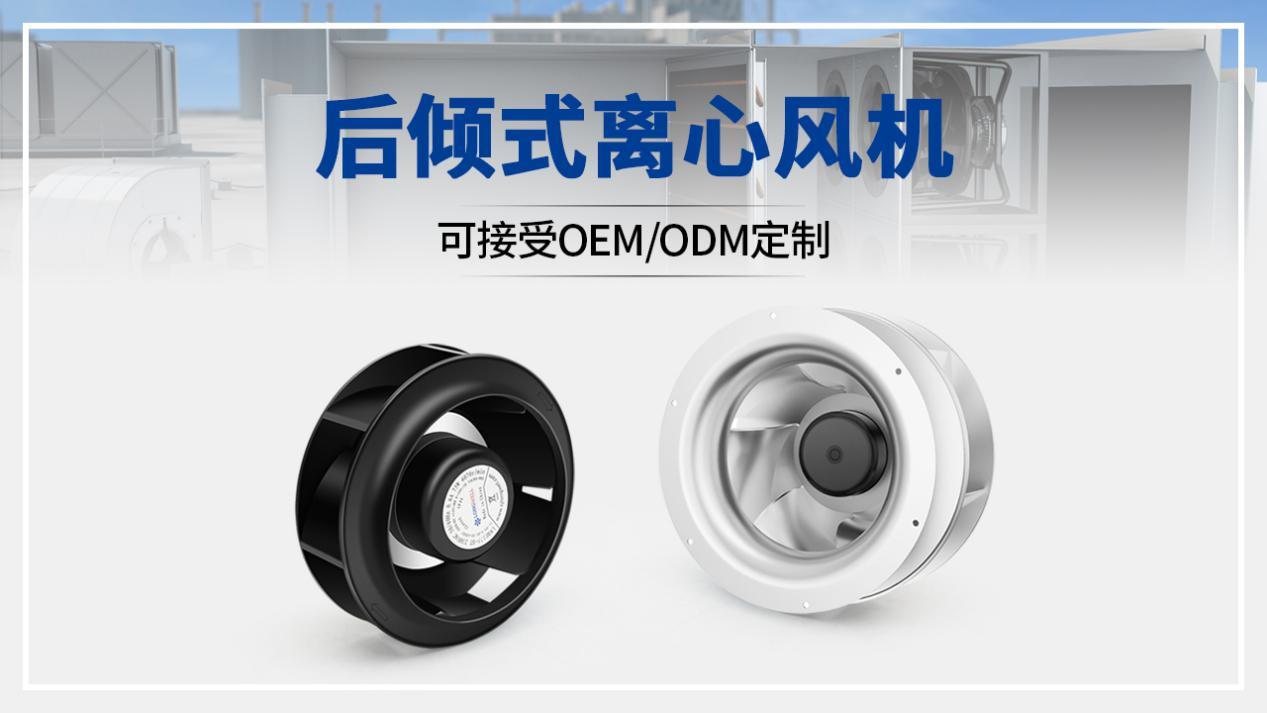
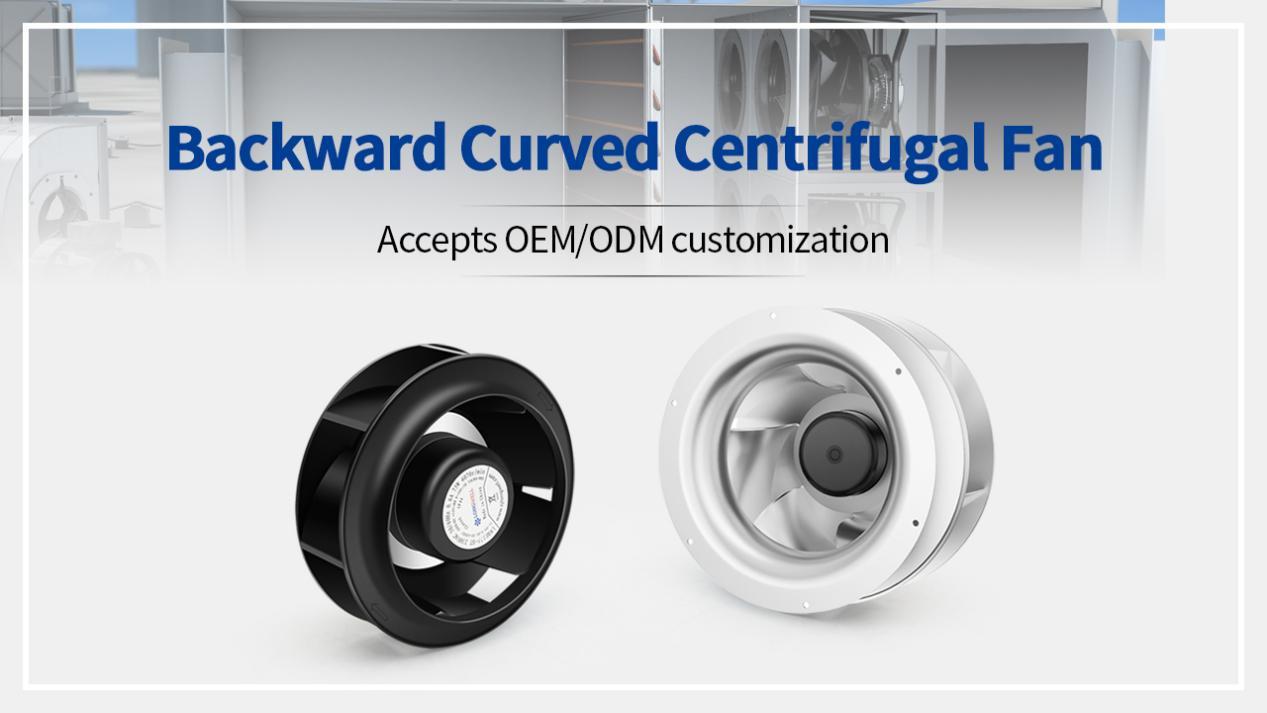
How to Select the Right Backward Curved Centrifugal Fan: An 8-Step In-Depth Selection Guide & Technical Analysis
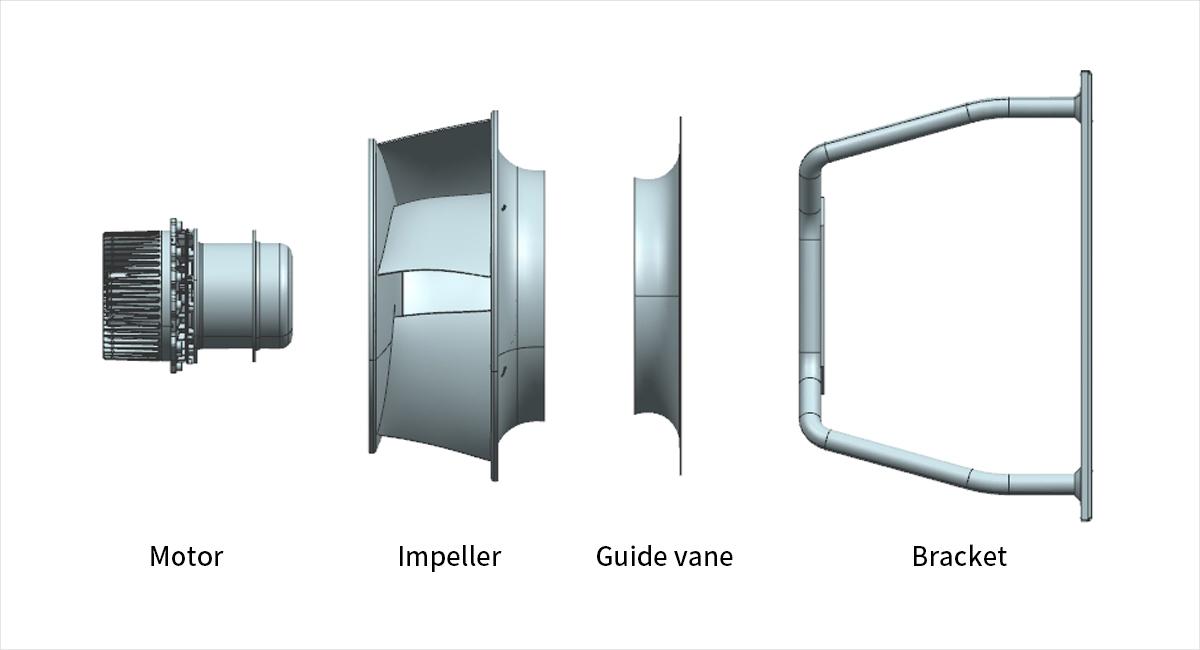
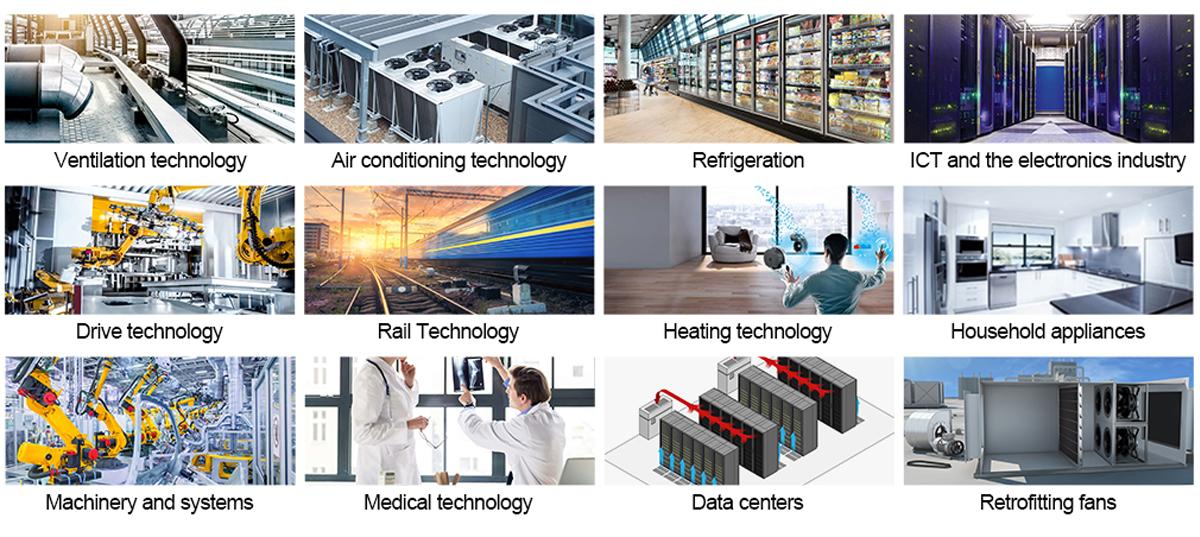
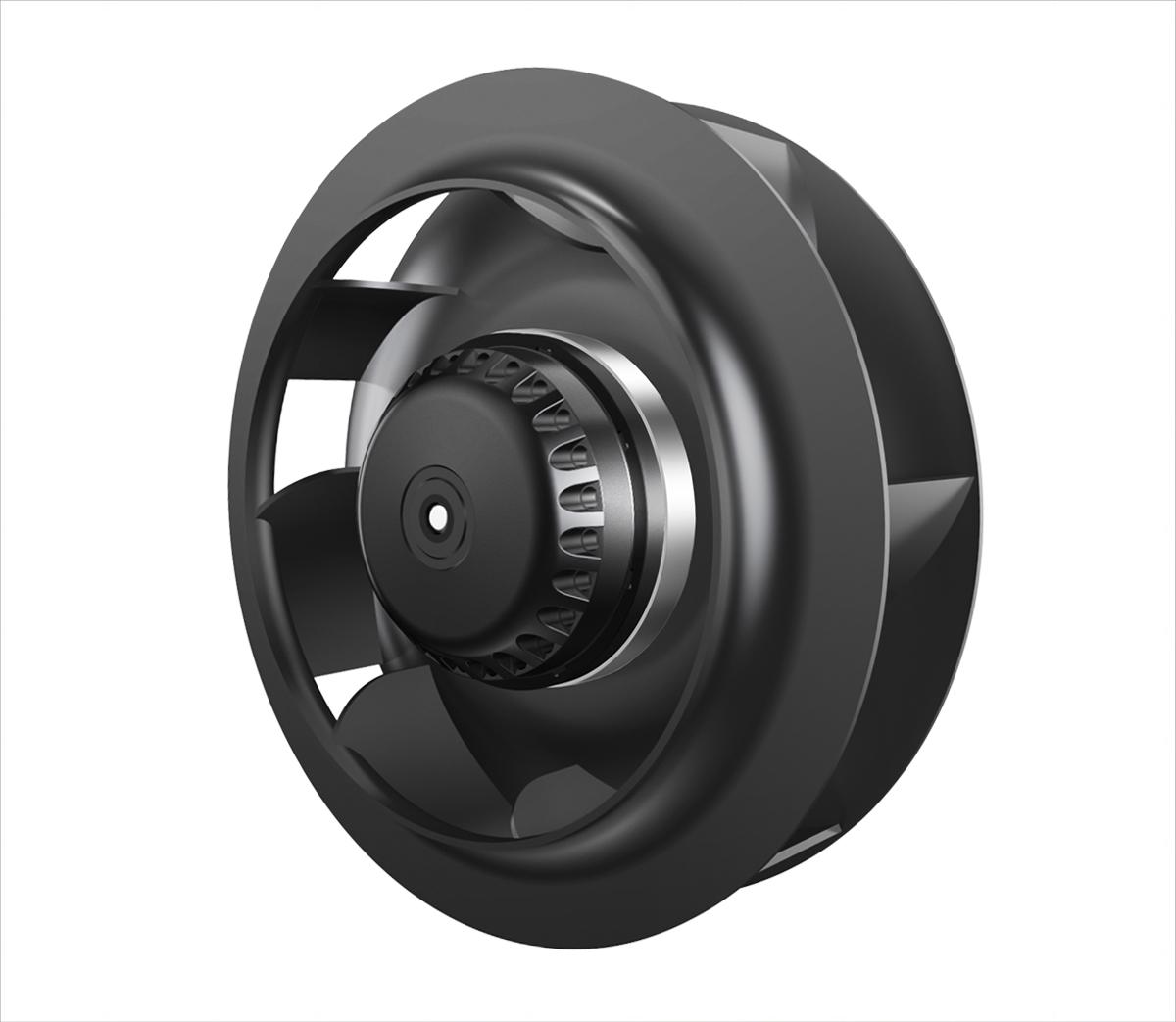
Backward curved centrifugal fans are widely used in numerous fields, including HVAC (Heating, Ventilation, and Air Conditioning), air purification, cabinet ventilation and cooling, industrial dust extraction, rail transit, and medical equipment, owing to their high efficiency, low noise, and ability to overcome high system resistance. A complete backward curved centrifugal fan system typically consists of core components such as the motor, impeller, inlet ring, and bracket.
Faced with the multitude of models and complex aerodynamic and electrical parameters on the market, how do you choose the most suitable fan for your equipment? This article, combined with actual engineering application scenarios, will deeply detail the complete selection logic—from aerodynamic performance evaluation to electrical control customization—through 8 key steps.
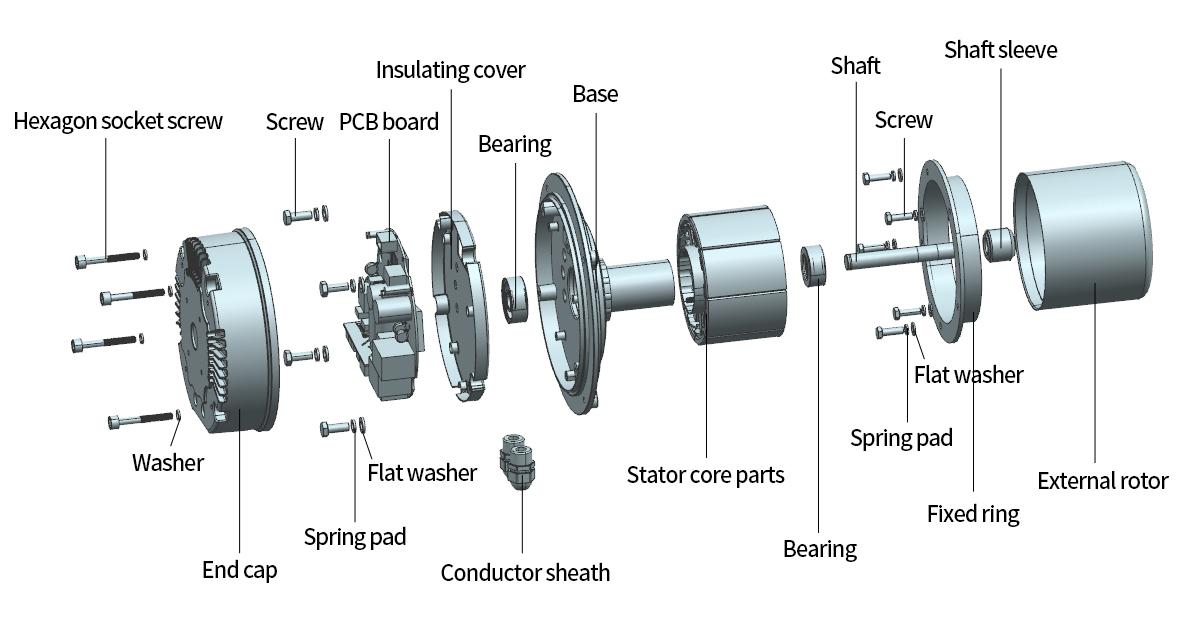
Step 1: Determine the Motor Type and Core Platform
The core driving force of a backward curved centrifugal fan lies in its motor (primarily inner rotor motors). Depending on your application scenario, power supply environment, and system energy efficiency requirements, you first need to choose the appropriate motor platform. Mainstream motors are divided into three major categories: AC, DC, and EC:
AC (Alternating Current) Motor: This is the most traditional and technologically mature solution.
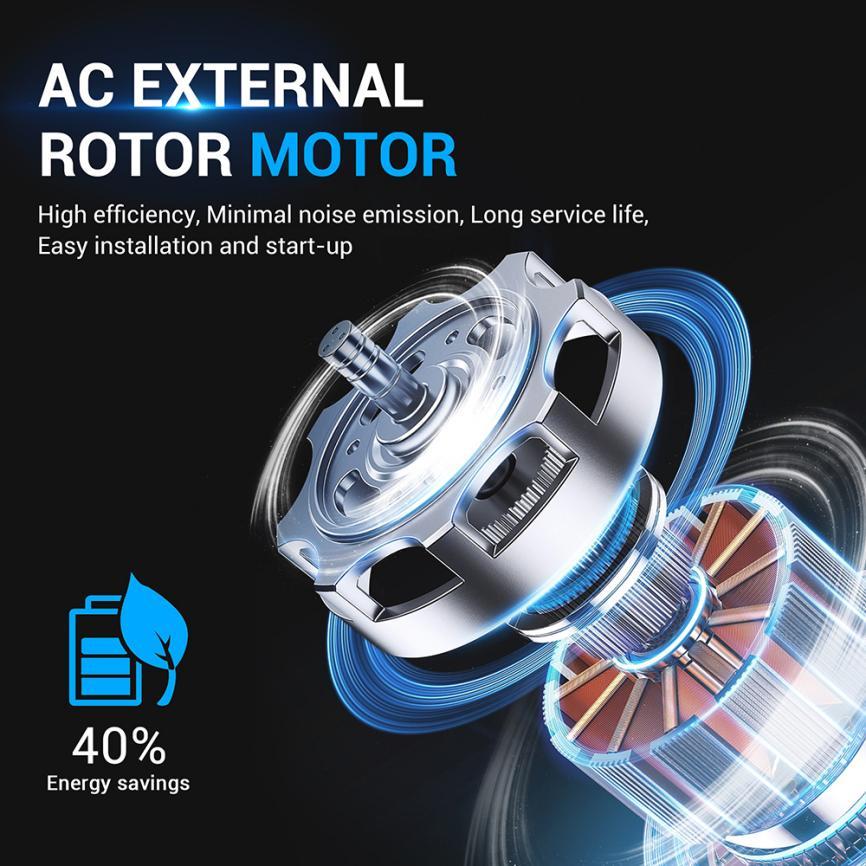
- Single-phase: Common motor sizes are 72/92/102, with standard voltages of 115V or 220V.
- Three-phase: Common motor sizes are 102/138/188, with a standard voltage of 380V.
- Features: Requires a capacitor. Some models (like the 72 motor) can achieve two-speed adjustment, and 92/102 motors can achieve three-speed adjustment (the speed difference between high, medium, and low is over 200rpm).
DC (Direct Current) Motor: Suitable for equipment with DC switching power supplies or battery power.
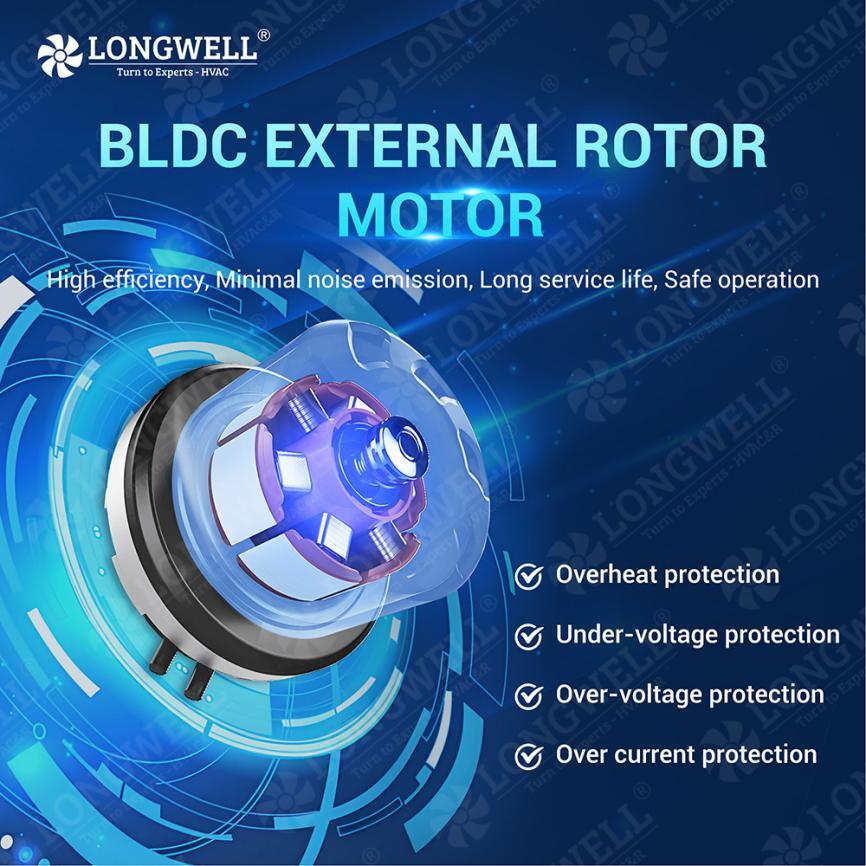
- Dimensions and Voltage: Motor sizes cover 61/72/92/102 (single motors also include 37/53). Standard voltages are 12V/24V/48V/310V, among which 80V is exclusively for special industries like rail transit.
- Features: Compared to AC motors, DC motors offer higher efficiency and are easier to speed-regulate.
EC (Electronically Commutated) Motor: Highly recommended as a high-efficiency, energy-saving, and smart solution.
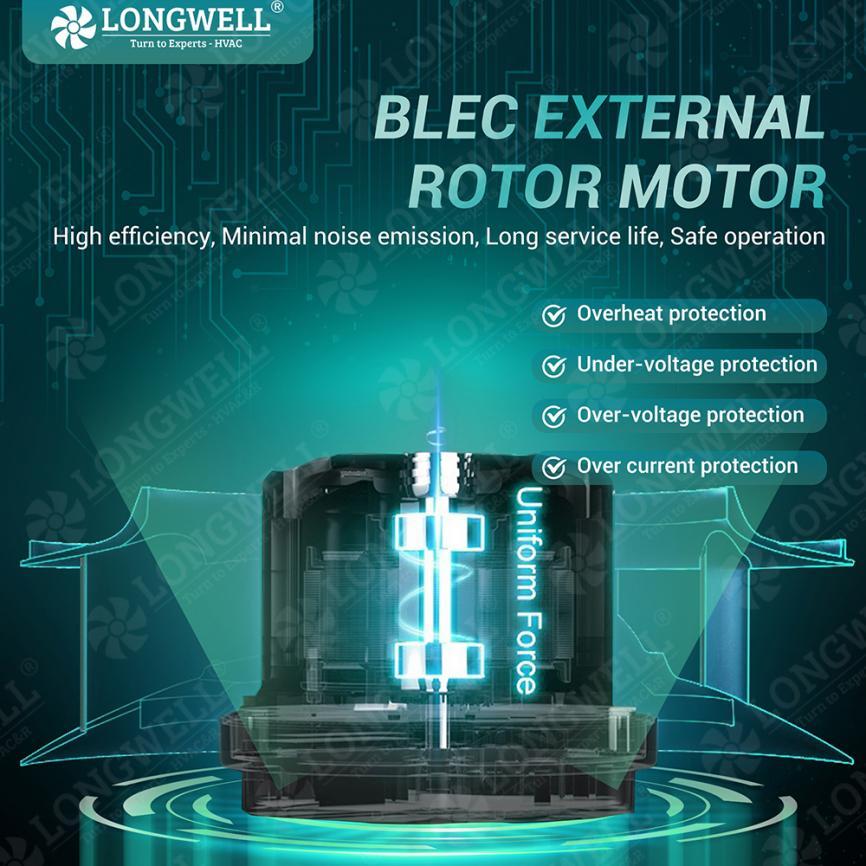
- Size Range: Covers 59/72/92/102/138/188/218. The entire series is available with or without brackets.
- Power Supply Features: Built-in smart AC/DC conversion and drive control board. Both single-phase (115V/220V) and three-phase (380V) support 50Hz/60Hz frequencies universally.
- Core Advantages: Boasts an extremely high energy efficiency ratio and supports stepless speed regulation. In terms of performance, dimensions, and functions, our EC series can completely replace similar fans of top international brands, and the motors are plastic-encapsulated, ensuring extremely high reliability.
Step 2: In-Depth Analysis of Aerodynamic Performance Requirements
The core of fan selection is finding the “optimal operating point” of the system. This operating point is determined by the intersection of the “system resistance curve” and the “fan airflow-static pressure curve”. For precise selection, you must understand the following core concepts:
- Airflow: Refers to the volume of air flowing per unit of time. Common units are cubic meters per hour or cubic feet per minute (CFM). The conversion ratio is approximately: 1 m³/h ≈ 1.7 CFM.
- Static Pressure: The pressure exerted by the gas on the surface of an object parallel to the airflow. Simply put, static pressure refers to the pressure required to overcome the resistance of the duct system (such as filters, evaporators, condensers, baffles, dampers, and piping).
- Dynamic Pressure: The pressure form converted from the kinetic energy required for gas flow. Simply put, dynamic pressure is the pressure that drives the gas forward.
- Total Pressure: The difference between the total pressure at the fan outlet section and the total pressure at the inlet section (Total Pressure = Static Pressure + Dynamic Pressure).
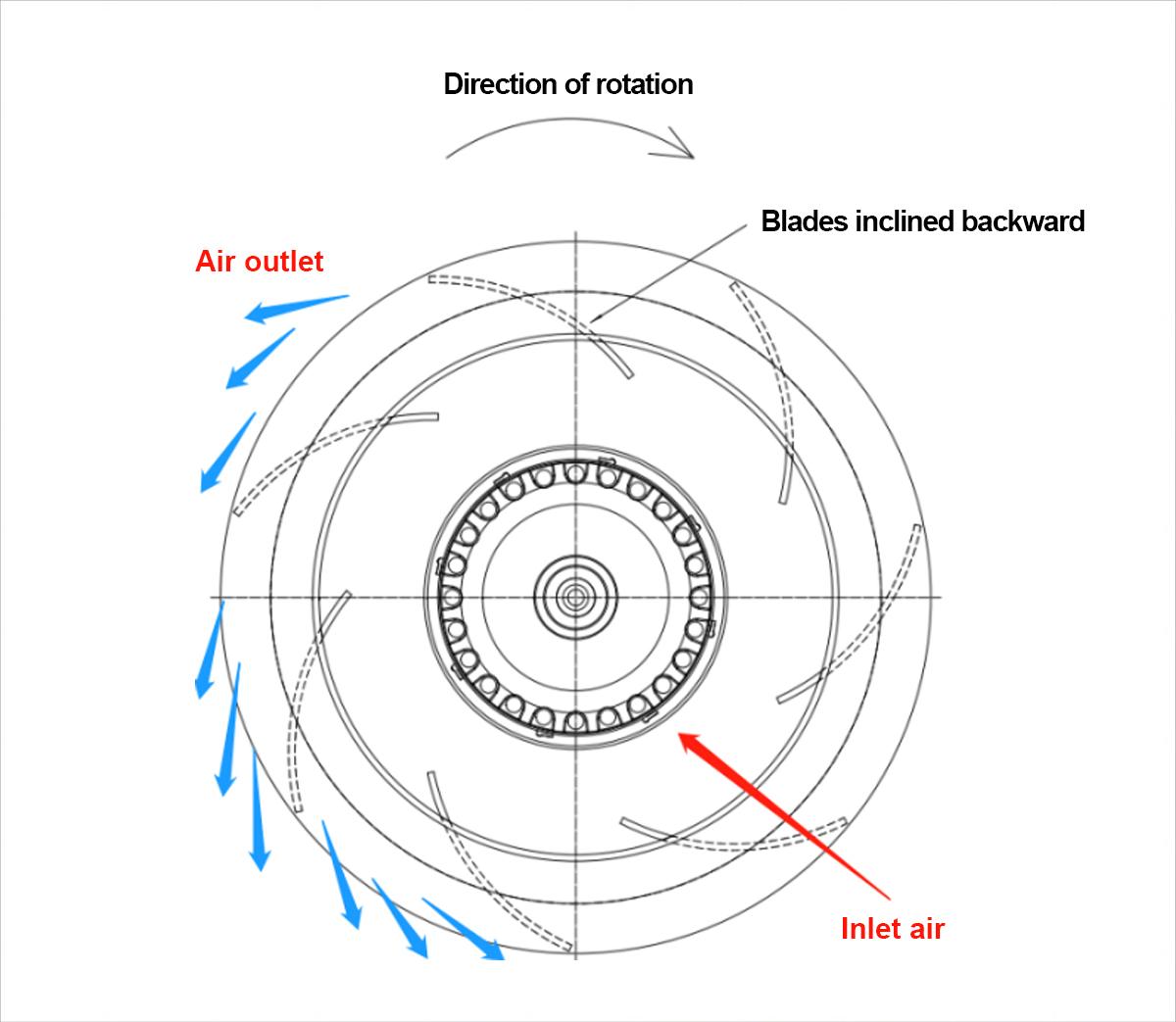
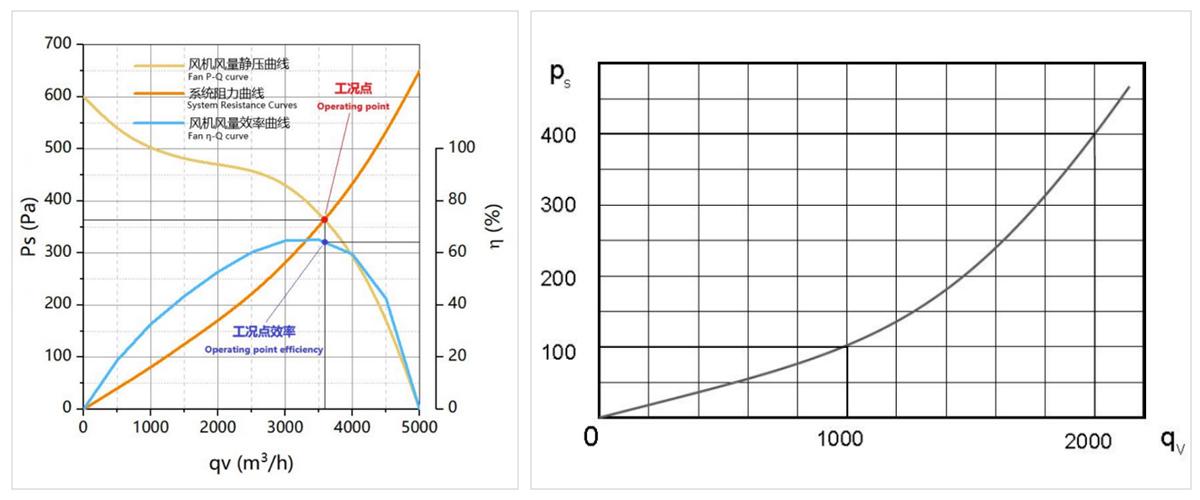
Aerodynamic Laws & Selection Advice:
- Airflow is directly proportional to dynamic pressure (the larger the airflow, the larger the dynamic pressure);
- However, at a given fan speed, airflow is inversely proportional to static pressure (the larger the airflow, the smaller the static pressure provided).
- When selecting, it is usually necessary to combine the fan’s efficiency curve and set the operating point near the high-efficiency point of the efficiency curve. This not only maximizes the fan’s performance but also significantly saves energy and reduces noise.
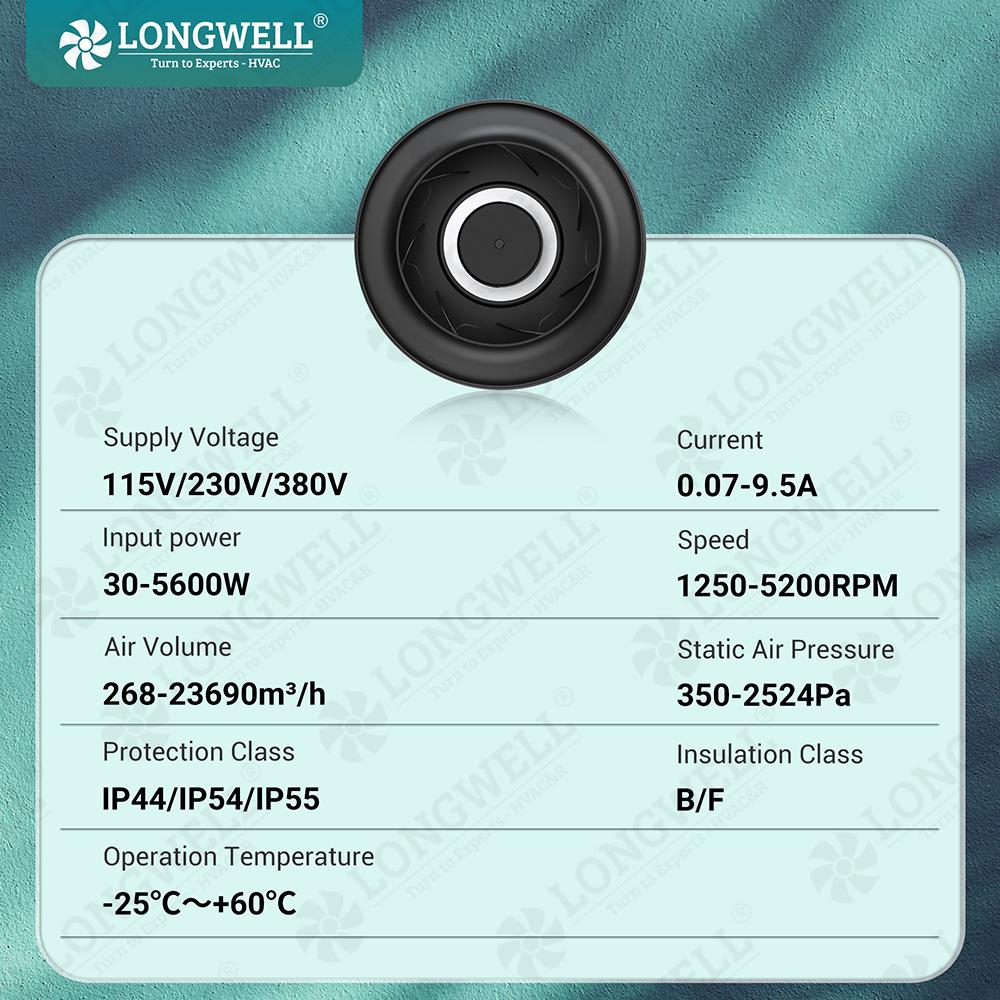
Step 3: Strictly Confirm Operating Voltage and Grid Frequency
In globalized equipment manufacturing, an incorrect voltage or frequency can cause the motor to overheat or even burn out directly:
- Frequency Universality: Grid frequencies vary by country (50Hz or 60Hz). For AC fans, 50Hz and 60Hz are usually not interchangeable; you must strictly distinguish the applicable frequency for specific models during selection. However, the control board of EC fans has built-in rectifier and inverter modules, naturally supporting 50Hz/60Hz universally.
- Special Voltage Customization: Standard voltages are 115V / 220V / 380V. If your equipment is exported to specific countries requiring special voltages (like single-phase 230V, three-phase 208V, or three-phase 480V), our company has the capability to custom-develop them. However, voltages exceeding 480V must be specifically noted during the selection process.
Step 4: Select Appropriate Component Materials Based on Operating Conditions
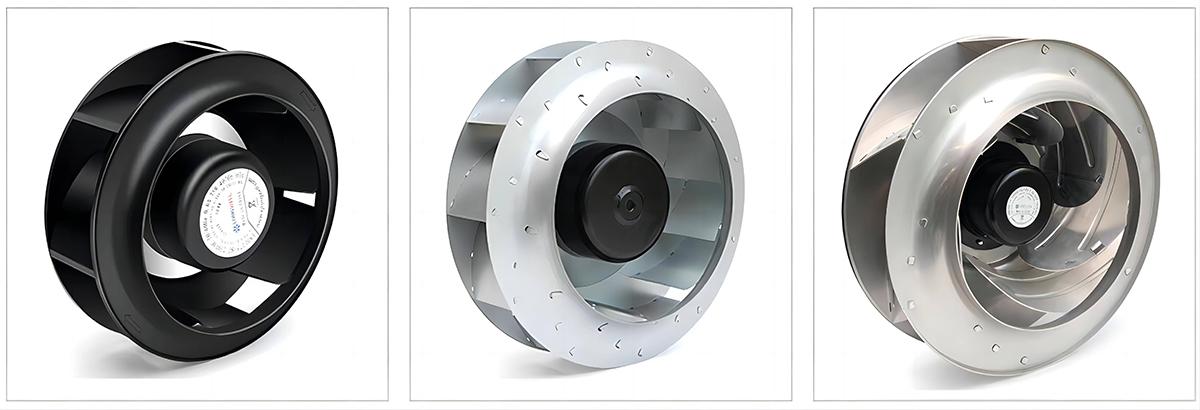
The materials of the fan impeller and structural components directly determine its weight, strength, and corrosion resistance:
Impeller:
- Plastic (PA66+GF30%): Polyamide material added with 30% glass fiber. Lightweight, corrosion-resistant, and highly cost-effective. Applicable sizes: 133/175/190/220/225/250mm (some models).
- Galvanized Metal: Suitable for normal industrial environments. Applicable sizes: 250 (some models)/270/280mm.
- Aluminum Alloy: High strength and lightweight, suitable for large sizes or high-speed requirements. Applicable sizes: 250/280/310/355/400/450/500/560/630/710mm. Available in primary color, and surface treatment can be applied.Special Note: If you previously used plastic impellers from industry-leading products, you can completely reselect and seamlessly replace them with our metal impellers.
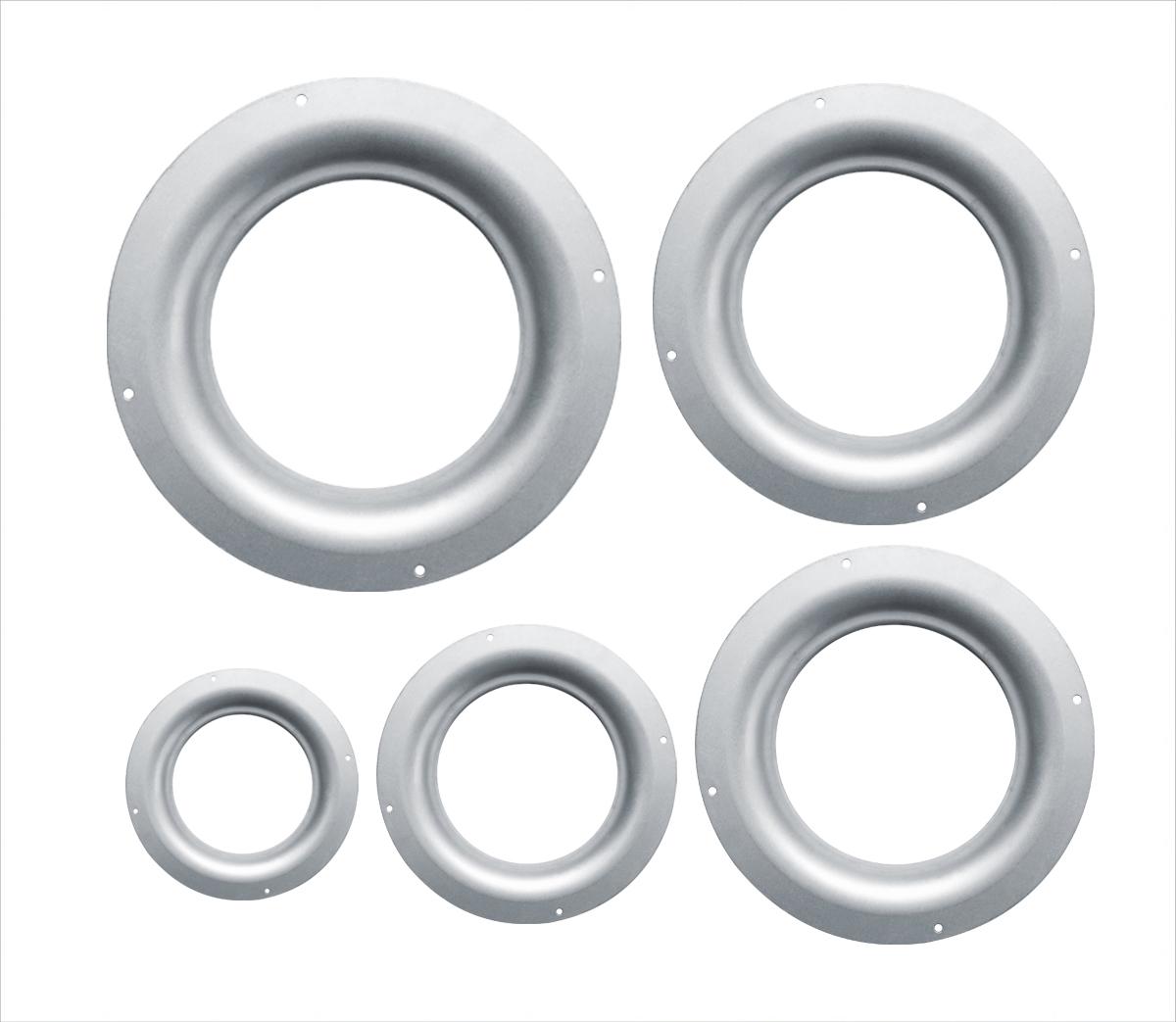
Inlet Ring:
Every impeller must be equipped with an accurately matched inlet ring to ensure optimal aerodynamic performance. The material is primarily galvanized metal, and the surface can be electrophoresed or plastic-sprayed (black). If the inlet ring size needs to be modified, new molds (blanking mold + forming mold) are required.
Step 5: Rigorously Assess the Operating Environment and Protection Rating
Industrial and commercial equipment often faces extreme temperatures, high humidity, or dusty environments:
Operating Temperature:
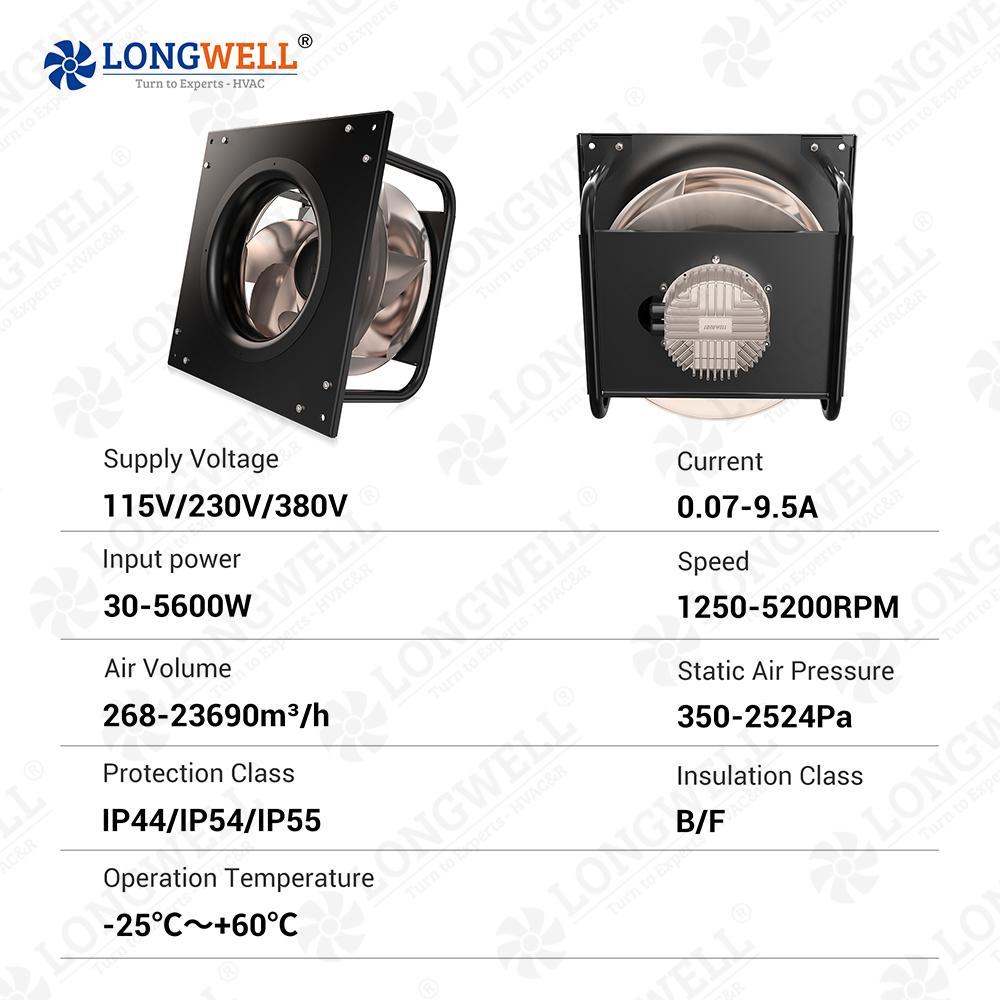
- Normal Environment: DC/EC fans typically operate between -25°C to +60°C; AC fans can reach -40°C to +65°C.
- Extreme Environment: If the equipment environment temperature reaches 65°C to 120°C, high-temperature resistant components are required (incurring a certain cost increase). For DC/EC fans operating above 60°C, an external control board solution is recommended (using our external control box) to keep heat-sensitive electronic components away from the heat source. Ultra-low temperature customization from -40°C to -25°C is also supported.
IP Rating (Ingress Protection):
- AC fans standard IP ratings are 72/92 IP44, 102/138/188 IP54.
- DC/EC fans are standard up to IP54. For harsh environments (such as replacing specific series from top brands), they can be upgraded to IP55.
Special Scenario Handling:
You must specify whether the fan is for indoor or outdoor use during selection. If it is an outdoor device, its electrical control board must undergo potting and waterproofing treatment; control boards used in rail transit also strictly require potting treatment for shock and moisture resistance.
Insulation Class:
Standard is Class B (130°C) or Class F (155°C). For special industrial equipment, it can be customized up to Class H (180°C).
Step 6: Match Smart Speed Regulation and Control Methods
For DC and EC fans, precise speed regulation not only adapts to changes in system load but is also the key to energy saving and emission reduction. We offer the following diverse speed control solutions:
0-10V Analog Speed Control:
The most common voltage regulation method. The controller outputs a 0-10V signal to the fan. At 0V, the fan speed/power is minimal (or stopped); at 10V, the speed is at its maximum. Its advantages are a wide speed regulation range, high precision, and extremely fast dynamic response. You can opt for our dedicated Longwell EC/DC speed controller.
PWM (Pulse Width Modulation) Speed Control:
Achieves speed regulation by adjusting the duty cycle (0% to 100%) of the high and low levels of the PWM signal. The larger the duty cycle, the higher the equivalent output voltage, and the faster the speed. It features strong anti-interference ability and precise control, making it widely used for direct driving by various microcontrollers and control boards.
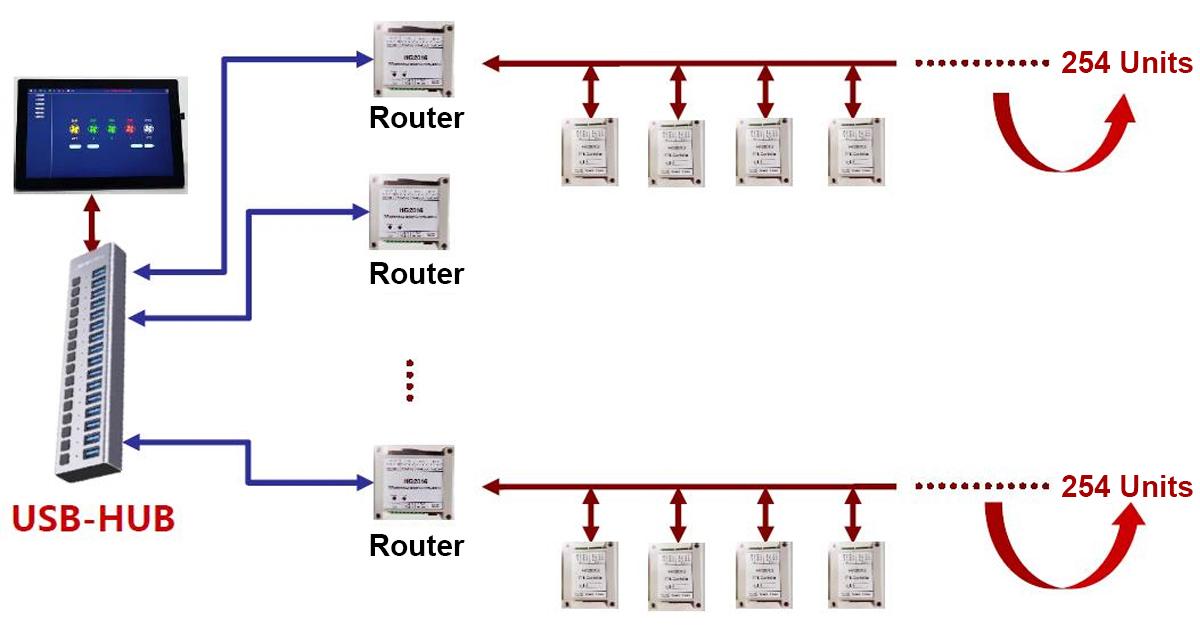
RS485 Communication Speed Control:
A multi-point oriented serial communication protocol. Through one communication line, the master device (like a PLC or central AC controller) can send speed commands to multiple slave devices (fans) and read the real-time operating status of the fans (speed, fault codes, etc.). It has extremely high reliability, anti-interference capability, and system scalability.
Smart Compatibility Solutions:
- EXX replacement models for 72/92 motors are compatible with 0-10V and PWM, and RS485 can be customized.
- Our self-developed RS485 external control box is widely compatible with 72~138 motors, and a single box is compatible with 0-10V / PWM / RS485.
- The latest version of 188/218 EC motors natively supports 0-10V / PWM / RS485, and comes with a COM/NC/NO fault alarm relay function.
Step 7: Confirm Motor Smart Protection Features
High-quality fans must have a comprehensive self-protection mechanism to cope with system abnormalities and prevent catastrophic damage. Our EC/DC fan control boards have built-in comprehensive monitoring and protection:
Current Limitation and Overcurrent Protection:
- Current Limitation: Real-time monitoring of the bus current. When abnormal increases in system resistance cause a heavier load and the current exceeds the limit, the controller enters current limit protection by reducing the duty cycle (lowering the effective winding voltage). At this time, actual speed may fall below the set value. It slowly exits protection once the load is lightened.
- Overcurrent Shutdown: If a serious fault like a phase short circuit occurs (FO protection signal), the motor stops immediately. It will automatically try to restart 30 seconds after the fault is cleared, provided power and command signals are normal.
Overtemperature Protection:
An NTC temperature sensor is located near the IGBT (Insulated Gate Bipolar Transistor), which generates the most heat on the control board. When the sensed temperature reaches approximately 100°C, the motor is forced to shut down for protection. When the temperature gradually drops to about 80°C and the commands are normal, the motor automatically resumes operation.
Locked-Rotor Protection:
Upon startup, the motor automatically detects whether the impeller is jammed by foreign objects. If a stall occurs, the motor stops running for 3 seconds; if there is a continuous valid signal like 0-10V, the system will attempt to restart. After three consecutive stall judgments, the motor will stop for a long period of 3 minutes, repeating this cycle to avoid burning the coil.
Over/Under Voltage and Phase Loss Protection:
- The motor stops operating when the input voltage exceeds the set safety range and starts normally once the voltage is restored.
- If one or two phases are disconnected in a three-phase power supply system, the motor enters phase-loss shutdown protection, restarting only after the three-phase power is fully restored.
Step 8: Evaluate Installation Structure and Hardware Customization Needs
Besides core electromechanical performance, the convenience of physical installation is equally important. We offer highly flexible customization services in terms of supply chain and hardware processing:
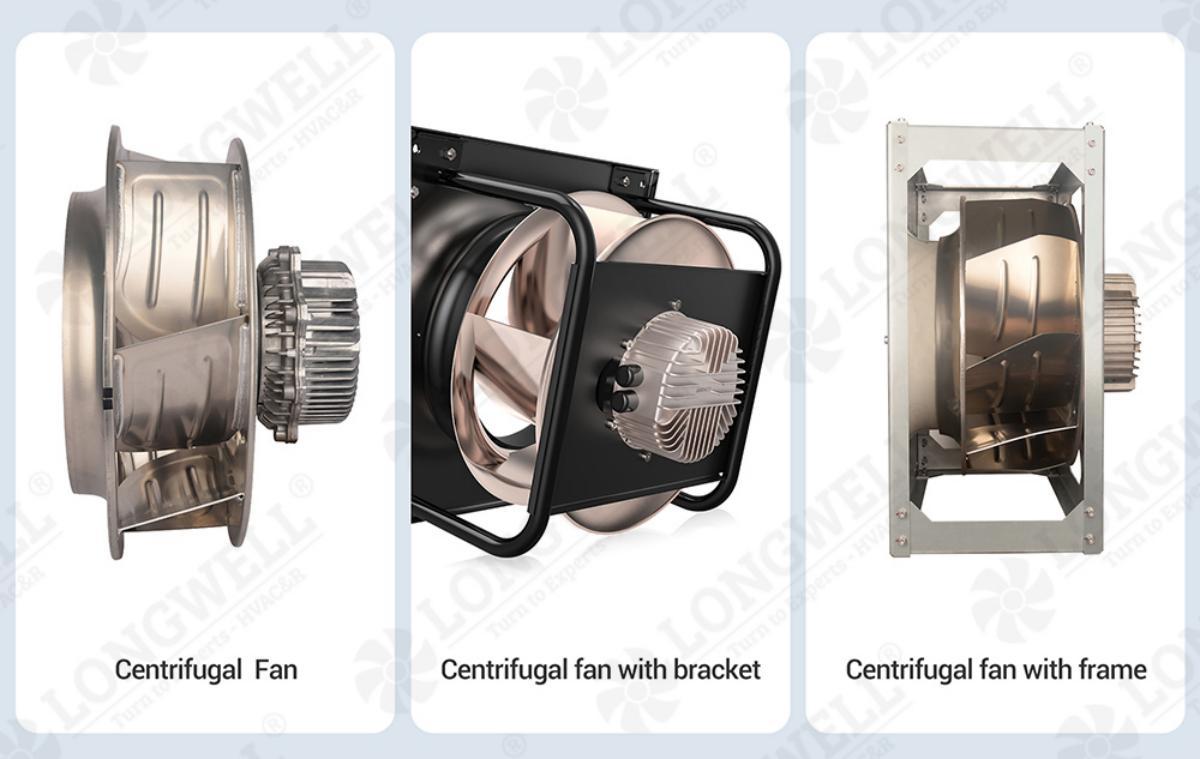
- Bracket System: The entire EC fan series can be provided as bare units (without brackets) or with brackets. DC and AC series also support bracket customization.
- Materials and Processes: Brackets can use high-quality sheet metal stampings or bent tube structures. Material options include galvanized sheet, cold-rolled sheet, or aluminum sheet. Surface treatments support highly anti-corrosive electrophoresis or electrostatic powder coating.
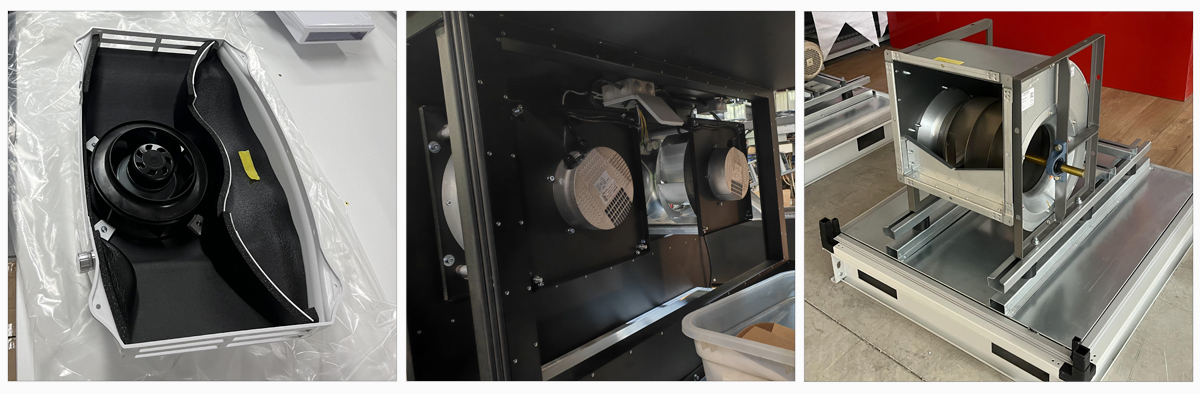
- Dimension Customization: The external dimensions of the mounting panel, ventilation hole diameter, and screw mounting hole positions can be non-standard customized 1:1 according to the actual cabinet structure of the customer’s equipment, ensuring “plug and play” installation on the production line.
Conclusion and Application Outlook
Relying on their excellent aerodynamic characteristics, backward curved centrifugal fans not only dominate traditional HVAC (Heating, Ventilation, and Air Conditioning) systems, boiler and industrial furnace drafting, air purifiers, and fresh air systems; with technological advancement, they also play an irreplaceable role in emerging fields such as data center cabinet ventilation and cooling, new energy vehicle and rail transit equipment cooling, agricultural greenhouse gas circulation, and precision medical and laboratory exhaust.
Choosing the right backward curved centrifugal fan is a comprehensive systems engineering task involving aerodynamics, electrical engineering, materials science, and smart control. Our company not only has a complete product line that basically covers mainstream impeller sizes, powers, and performances (with full certifications for all series and a highly improved supply chain), but also provides perfect replacement solutions for top international brands and special solutions like high-temperature external controls.
If you encounter any doubts regarding specific system resistance calculations, multi-fan parallel communication, or specific installation customization, feel free to consult our engineering and technical team at any time. We will provide you with a free and professional complete set of customized fan solutions.