Home » Data Center Cooling Solutions
Custom, Efficient, Smart Cooling Solutions
Reshaping the Boundaries of Data Center Energy Efficiency
Why Do Data Centers Need Fans to Ventilate and Cool?
Send Your Inquiry Now !
Data Center Equipment Requiring Cooling
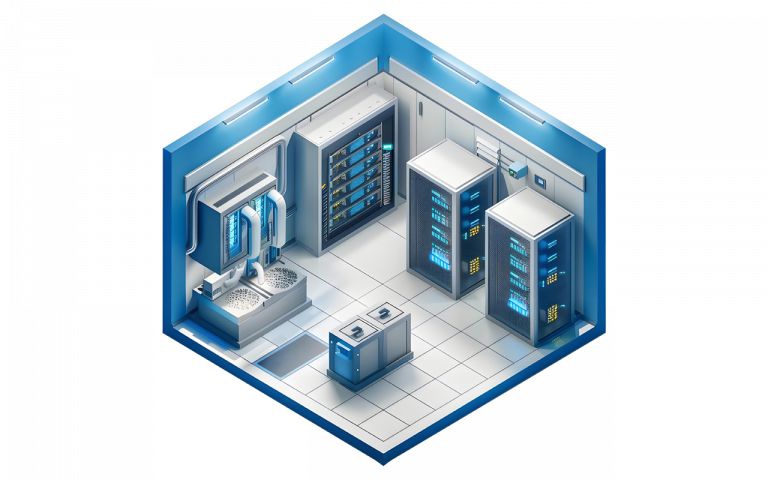
In data centers, many areas require fans to maintain continuous ventilation and cooling, such as rack spaces, electrical rooms, and command and control rooms. The following describes specific equipment that requires fans for cooling, including but not limited to the following:
1. Exhaust Fan Grid
Multiple small fans connected in parallel form an exhaust grid, creating an exhaust effect that can replace traditional large single fans. Their modular design prevents single unit failures from impacting overall operation, ensuring consistently high efficiency.
2. Supply/circulation FanGrid
Unlike exhaust fan grids, supply/circulation fan grids bring fresh air into the building or push/circulate air within the building. They are typically installed in the cold aisles of a data center.
3. UPS – Uninterrupted Power Supply
To keep components effectively cooled, fans are installed in specific locations within a UPS, such as the inverter and rectifier. Generally, larger UPSs have more fans.
4. Overhead Cooling Module
Top-mounted cooling modules are air conditioning systems installed above the server racks in a data center, utilizing the natural tendency of heat to rise to cool IT equipment efficiently. Equipment. Its high installation location and large size allow it to accommodate a large number of fans.
5. Dry Cooler
When the outdoor air is sufficiently cold, a dry cooler uses fans to drive ambient air through the coils, cooling the fluid inside and achieving “free cooling,” significantly saving compressor power.
6. AHU
An air handling unit (AHU) centrally processes air cooling, filtration, and humidification. Its powerful built-in fans are the driving force behind air flow throughout the system.
7. BMS – Building Management System
The building management system is the brain of the entire data center. It monitors the operation of all cooling equipment and intelligently controls fan start/stop and speed, optimizing overall system energy efficiency.
8. In-row Cooling
Row-based cooling is specifically designed to cool areas with high heat density. Installed directly between rows of server cabinets, it captures hot air at close range, achieving higher efficiency than room-based cooling.
9. Rear Door Heat Exchanger (RDHx)
The rear door heat exchanger contains cooling coils that instantly cool the hot air exhausted from the servers before it leaves the cabinet. It can directly replace the rear door of a server cabinet and is extremely efficient.
10. High–density Chiller
A high-density chiller cools returning warm water and then delivers cold water, forming a refrigeration cycle. It is suitable for applications with extremely high heat dissipation requirements, providing continuous and efficient cooling.
11. CDU Cooling
The cooling distribution unit distributes coolant to the various components of the machine or process requiring cooling, significantly reducing the total cost of ownership and energy demand in data centers.
12. Condenser
The condenser is typically equipped with an axial fan, which drives the hot air in the room through the heat exchanger fins and releases it to the outside environment, achieving heat dissipation.
13. Server Rack
Server racks use internal fans to provide a steady airflow and overcome resistance. They do not require floor space and are particularly suitable for controlling hot spots in locations with limited floor space.
14. CRAC Unit (Computer Room Air Conditioner Unit)
EC fans can be easily installed in computer room air conditioning units (CRAC units) without the need for additional ducting. They continuously provide adequate cool air to servers.
15. CRAH (Computer Room Air Handler)
CRAHs achieve cooling through internal fans and chilled water coils. They are typically used in conjunction with chillers and utilize technologies such as EC fans to help reduce energy consumption and noise.
16. Cooling Tower
Cooling towers utilize the principle of water evaporation to absorb heat, ultimately dissipating heat from the cooling water system to the atmosphere. Internal fans ensure energy-efficient and stable performance.
Fans Available for Your Data Center

Centrifugal fan consists of a volute housing and a rotating impeller mounted within. The volute efficiently collects and directs high-velocity airflow, while the impeller maintains a radial flow.

Inline Centrifugal Fan
Inline centrifugal fan combines excellent performance with compact design. It is particularly well-suited for HVAC and industrial applications requiring large volumes of clean air at low pressures.
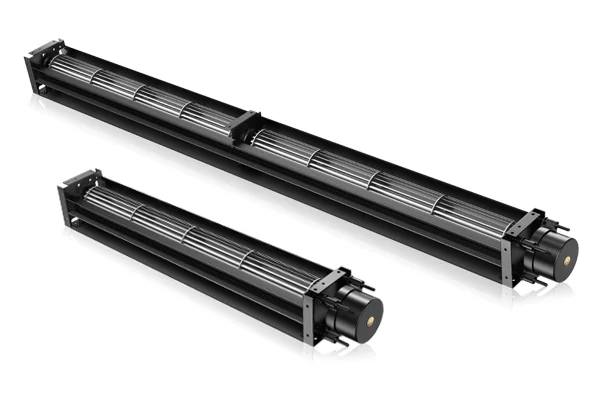
Compared to centrifugal and axial fan, mixed flow fan offers higher efficiency, lower noise levels, and lower operating costs. If you require medium air volume and pressure, a mixed flow fan is an excellent choice.
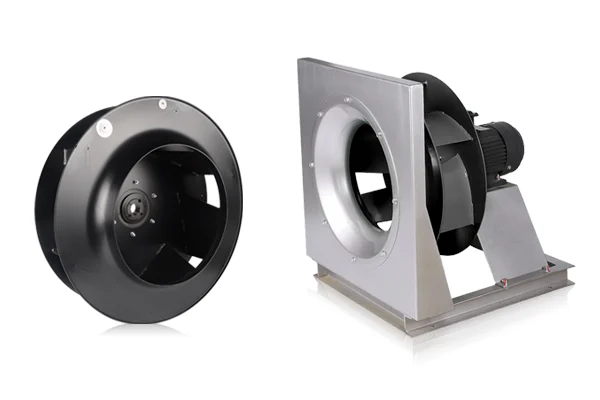
Plenum fan, also known as plug fan, lacks a volute, making it easy to install and space-saving. Its backward-inclined airfoil impeller design ensures high efficiency, performance, and low noise levels.
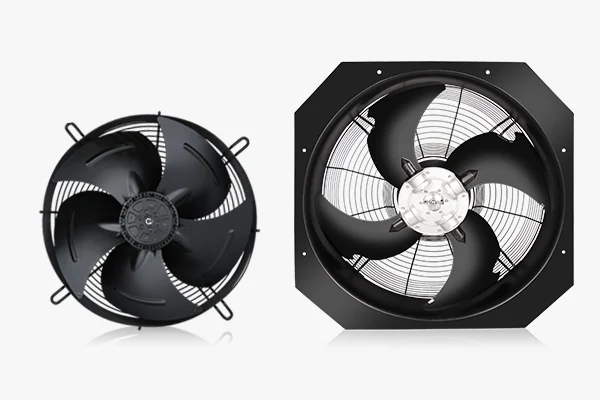
Axial fan draws air in along the axis and maintain a constant direction parallel to the axis. It is characterized by high air volume and low pressure, making it excellent at conveying large volumes of gas.
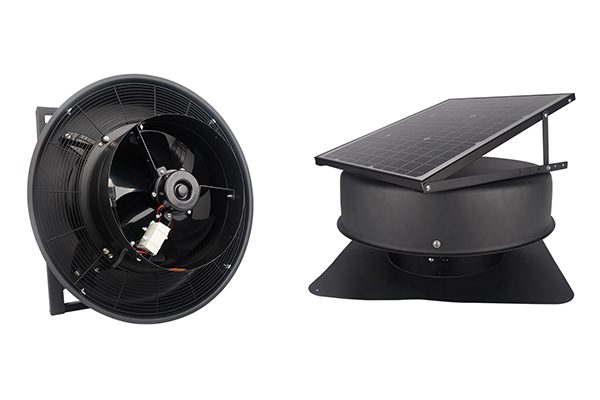
Wall Mounted Fan
A wall-mounted fan can be mounted on a wall, saving space. It is available with direct drive or belt drive, and its impellers are made of metals such as aluminum and stainless steel.
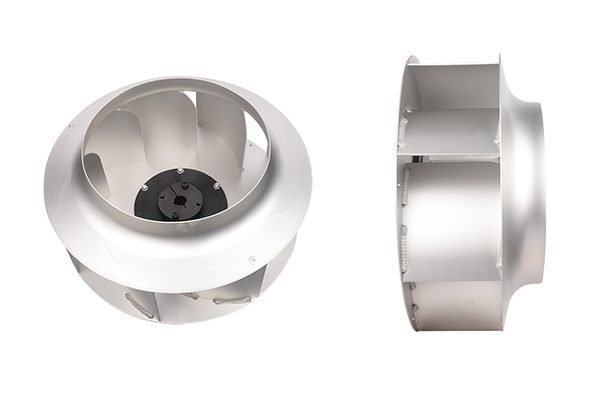
Centrifugal Roof & Wall Fan
Centrifugal roof&wall fan is compact and powerfully exhaust air from inside a building to the outside. All-aluminum roof-mounted centrifugal fan can achieve a static pressure of up to 1000 Pa.
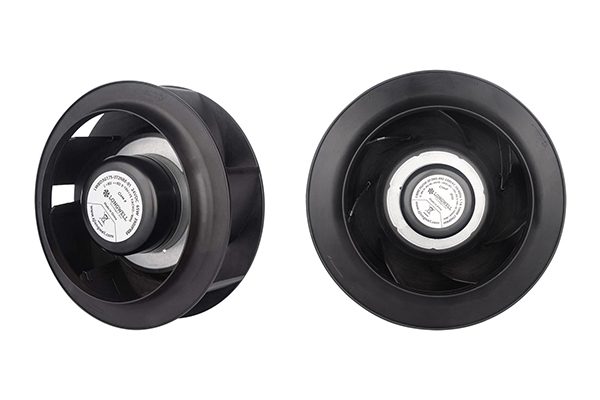
Fiberglass Fan
Fiberglass fan IS made of fiberglass-reinforced plastic, offering excellent chemical resistance. It is commonly used in corrosive environments like chemical processing, electroplating, laboratories, and wastewater treatment.
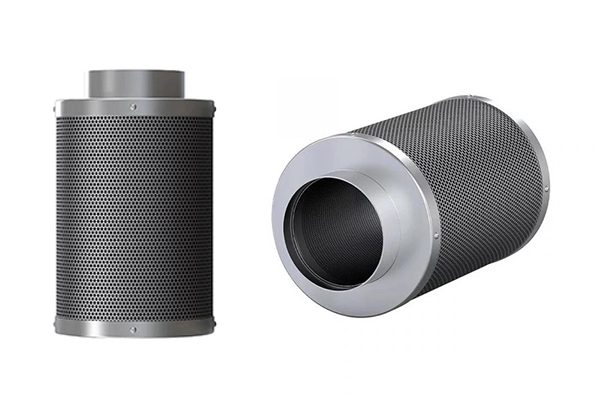
Air Kits
The air kit typically refers to a complete blower assembly designed for integration into larger ventilation, heating, or cooling equipment, with airflow rates up to 170,000 m³/hr.
Why Choose Longwell Fans as Your Data Center Cooling Solution

Superior Energy Efficiency
Utilizing advanced EC motor technology, Longwell fans can reduce energy consumption by up to 70% compared to traditional AC fans. If your fleet exceeds 10,000 units, this can save millions of dollars in electricity bills annually.

Reliable Quality
Longwell fans have passed numerous international certifications, including ISO9001, CE, UL, and RoHS, etc. Their safety and reliability meet stringent global standards, making us a trusted supplier.

Customizable
As a comprehensive R&D, design, production, testing, and sales facility, Longwell offers a stable and reliable supply chain and flexible customization solutions, supporting custom sizes, materials, connectors, and cables.

Intelligent Control
Longwell fans are equipped with a standard Modbus/BACnet communication interface, which can be easily connected to your data center management system (BMS) to achieve remote monitoring, fault warning and predictive maintenance, greatly saving costs.

Ultra-Quiet Design
Thanks to sophisticated impeller design and dynamic balancing technology, Longwell DC cross flow fans achieve silent operation below 45dBA, meeting your low-noise requirements and ensuring comfort and accessibility in your equipment room.
Advantages of Longwell Data Center Fans
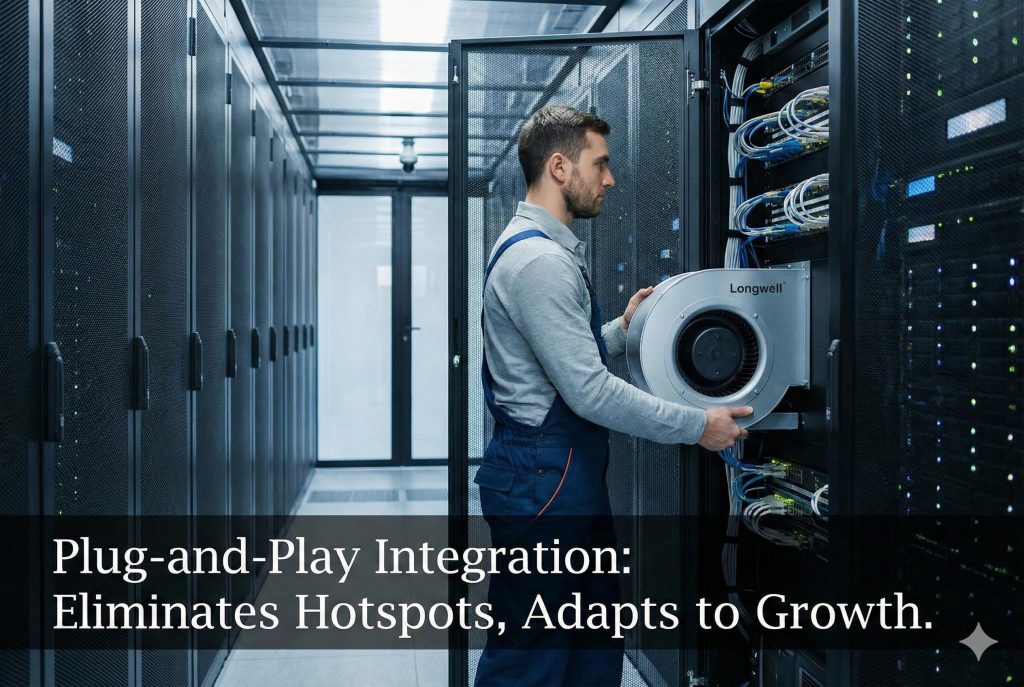
Longwell fans are plug-and-play, seamlessly integrating into your existing system without requiring major infrastructure modifications. They effectively penetrate cabinet resistance, eliminate local hotspots, and continuously adapt to the growing demands of high-density computing.
We offer comprehensive data center cooling solutions, including backward-curved centrifugal fans, ducted fans, axial fans, IP55 waterproof fans, explosion-proof fans, and blowers, to meet the ventilation and cooling needs of every area of your data center.
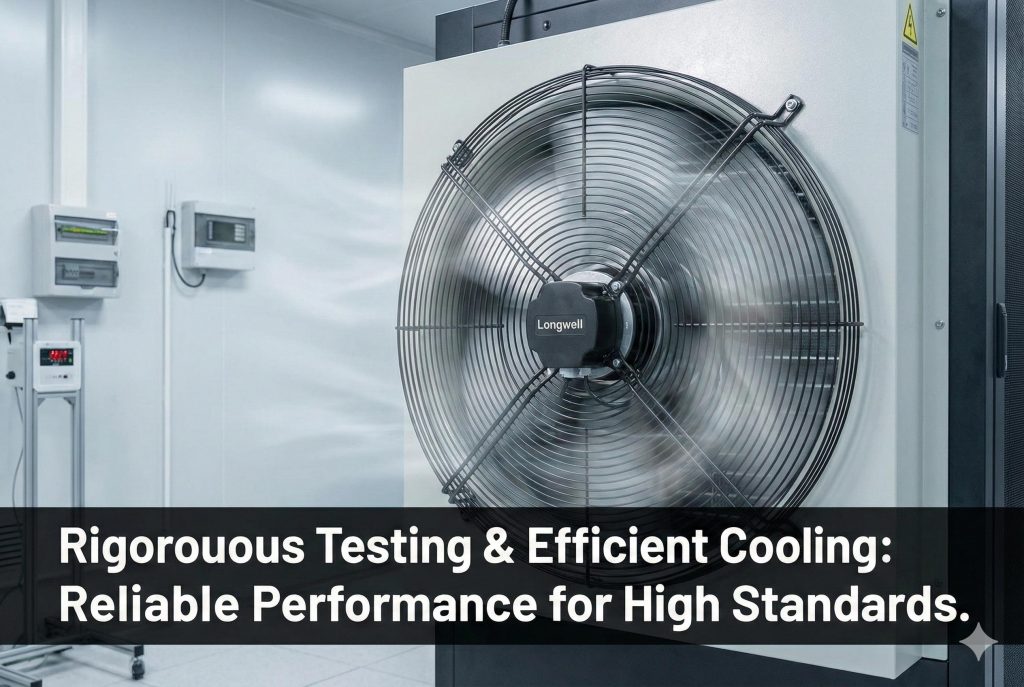
Data centers are places with high environmental standards, making fan reliability and performance paramount. Longwell subjects each fan to rigorous testing that exceeds industry standards, including speed testing, life testing, salt spray testing, ingress protection rating testing, and noise testing, etc.
Increasing energy demands and sustainability requirements are two of the most pressing challenges facing data centers. Longwell fans offer efficient cooling, precise airflow control, and long-term reliability, eliminating both challenges.
After nearly three decades of continuous development, Longwell has grown into a professional industrial cooling expert. Our comprehensive product line and ample inventory ensure fast delivery. Contact us now to get the latest quote and customized cooling solutions.
Recent Client Cases of Longwell Data Center Cooling Solutions
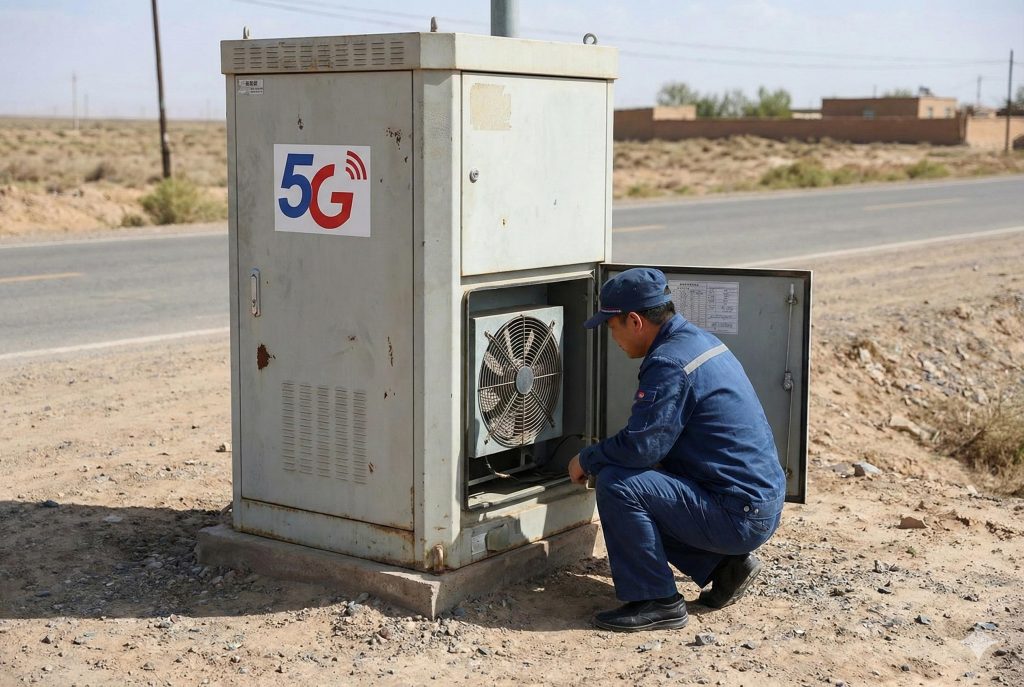
Case1: Heat Dissipation of Communication Cabinet
○ Background: A telecom operator deploys 5G network nationwide in China
○ Application: Outdoor communication cabinet fan with IP55 protection
○ Project size: 50,000 base station cabinets
○ Customer reviews: “5G base stations consume up to 8kW of power, making thermal management a critical challenge. Longwell’s cabinet fans utilize EC motors with intelligent speed regulation based on temperature. The IP55-rated design ensures reliable operation in extreme outdoor environments, from the Xinjiang desert to Hainan’s islands. The failure rate has been maintained below 0.2% over three years.” -Mr.Chen, Network Operations
Actual result:
○ Keep the cabinet temperature below 35℃
○ Annual electricity bill savings of approximately ¥15,000,000
○ Base station availability reaches 99.99%
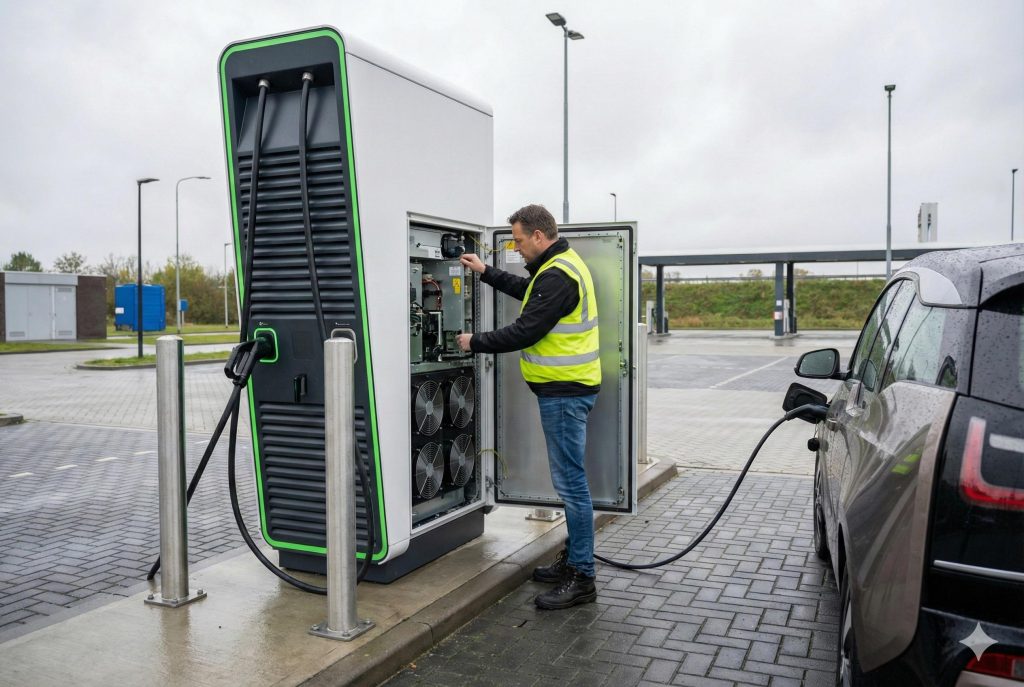
Case 2: Heat Dissipation of Charging Pile-European Charging Network
○ Background: Netherlands National EV Fast Charging Network
○ Application: Special cooling fan for charging piles
○ Technical Requirements: Temperature Control for 350kW High-Power Charging Station
○ Customer Reviews: “Snellaadstations genereren enorme hitte. Longwell’s koeloplossing met EC-ventilatoren zorgt ervoor dat onze laders veilig werken bij temperaturen tot 45° De energiebesparing van 30% verbetert de ROI aanzienlijk. Na 2 jaar bij 500+ stations is de betrouwbaarheid uitstekend.” – Jan de Vries, Technisch Manager
Actual results:
○ Charging station availability increased from 92% to 98.5%
○ Power device lifespan increased by 60%
○ User charging wait time decreased
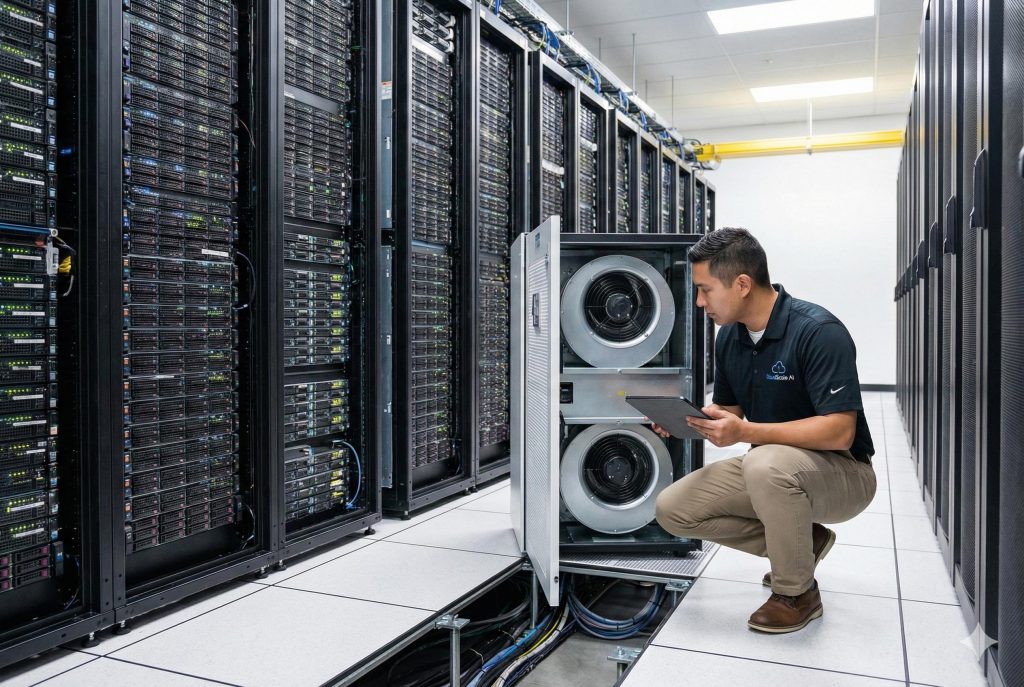
Case3: Server Room-Internet Company
○ Background: A cloud computing firm in Silicon Valley, USA
○ Product: EC centrifugal fan for precision air conditioning
○ Application: Hyperscale data center
○ Customer Reviews: “At hyperscale, even 1% efficiency gain matters. Longwell’s EC centrifugal fans in our CRAC units deliver 0.35 W/CFM efficiency – 50% better than legacy fans. Smart controls integrate with our AI-driven cooling optimization, enabling real-time response to compute loads. PUE improved from 1.6 to 1.35.” – Michael Chen, Data Center Architect
Actual Results:
○ Annual electricity savings of $2.8 million
○ Cooling system investment payback period of 2.3 years
○ LEED Platinum green certification
Get More Information about Data Center Cooling Solutions